The Jeep Grand cherokee Maintenance and Service Requirements are designed to keep this popular American SUV running smoothly through years of ownership. From daily commutes to road trips and off-road adventures, proper care helps protect the engine, drivetrain, safety systems, and comfort features.
Based on common service practices used by Jeep owners and automotive technicians, the biggest lesson is simple: small maintenance tasks prevent large repair bills. A Grand Cherokee that receives timely oil changes, inspections, and fluid services usually delivers a better ownership experience.

Understanding Jeep Grand Cherokee Maintenance and Service Requirements
The Jeep Grand Cherokee Maintenance and Service Requirements depend on the vehicle generation, engine option, mileage, and driving habits. Newer models may use advanced monitoring systems, while older models often need more manual inspection.
Owners in the United States should follow the maintenance schedule listed in the owner’s manual. Severe driving conditions, such as towing, frequent short trips, extreme weather, or off-road use, may require more frequent service.
- ✦ Model year matters
Different Grand Cherokee generations have different engines, transmissions, fluids, and recommended service intervals.
- ✦ Driving habits affect service
Heavy use, towing, and rough terrain can increase wear on brakes, tires, suspension parts, and fluids.
Why Preventive Maintenance Matters
Preventive maintenance helps identify problems before they become major failures. A simple inspection can reveal low fluid levels, worn belts, weak batteries, or damaged suspension parts.
Many experienced Jeep owners focus on consistency rather than waiting for warning lights. Regular care keeps the Grand Cherokee dependable and easier to maintain.
- ✦ Lower repair risk
Routine inspections help catch small issues before they damage expensive components.
Jeep Grand Cherokee Oil Change and Engine Maintenance Schedule
Engine oil is one of the most important parts of Jeep Grand Cherokee Maintenance and Service Requirements. Clean oil protects internal engine parts, reduces friction, and supports proper engine performance.
Most modern Grand Cherokee models use oil life monitoring systems. However, owners should still check oil levels and follow the recommended service schedule instead of depending only on dashboard alerts.

- ✦ Oil and filter replacement
Use the correct oil type and replace the filter during scheduled oil services to maintain engine protection.
- ✦ Engine inspection
Technicians should check leaks, belts, hoses, cooling parts, and signs of unusual engine noise.
Common Engine Maintenance Tasks
Engine maintenance includes checking spark plugs, air filters, coolant levels, and ignition components. These items affect fuel economy, smooth operation, and engine life.
A neglected engine air filter or old spark plugs may reduce performance over time. Replacing these parts at the right interval helps maintain factory performance.
- ✦ Air filter service
A clean filter helps maintain proper airflow and engine efficiency.
Transmission, Drivetrain, and Fluid Service Requirements
The transmission and drivetrain are major systems that require attention during Jeep Grand Cherokee Maintenance and Service Requirements. These parts handle engine power and transfer it to the wheels.
Transmission fluid, differential fluid, and transfer case fluid should be inspected and replaced according to the manufacturer’s recommendations. Proper fluid condition supports smooth shifting and protects internal parts.

- ✦ Transmission fluid care
Correct fluid levels and clean fluid help maintain smooth gear changes and reduce wear.
- ✦ Four-wheel drive service
4×4 models need drivetrain inspections to keep traction systems working correctly.
Signs of Drivetrain Problems
Drivers should pay attention to delayed shifting, unusual sounds, vibrations, or fluid leaks. Early diagnosis can prevent more expensive drivetrain repairs.
A professional inspection is recommended when these symptoms appear because drivetrain components are complex.
- ✦ Warning signs
Hard shifts, noises, vibrations, or leaking fluids may indicate drivetrain concerns.
Brake, Tire, and Suspension Maintenance for Jeep Grand Cherokee
Safety systems are a major part of Jeep Grand Cherokee Maintenance and Service Requirements. Brakes, tires, and suspension components directly affect handling, stopping distance, and driving comfort.
Because the Grand Cherokee is a heavier SUV, brake pads and tires may experience more stress compared with smaller vehicles. Regular inspections are important for safe operation.

- ✦ Brake inspections
Check brake pads, rotors, calipers, and brake fluid condition during routine services.
- ✦ Tire maintenance
Rotate tires, check pressure, and inspect tread wear to improve safety and tire life.
Suspension System Care
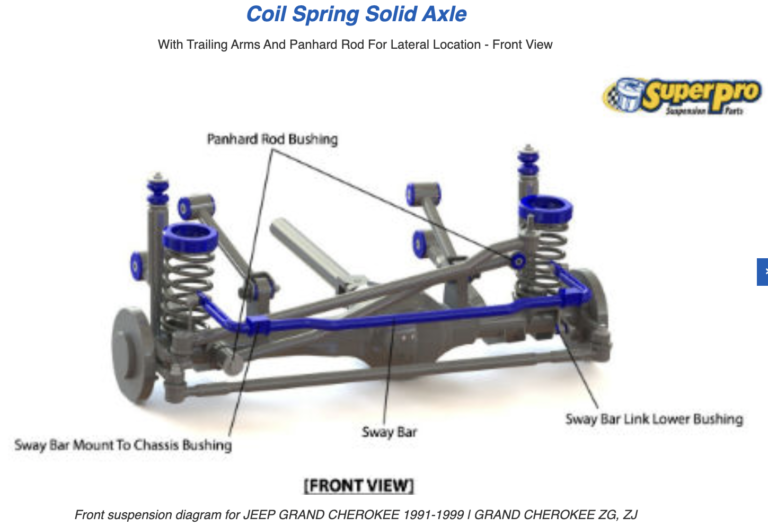
The Grand Cherokee suspension system supports comfort and control. Components such as shocks, struts, bushings, and air suspension parts require inspection as mileage increases.
Drivers who use their Jeep for towing or off-road driving should inspect suspension components more often.
- ✦ Suspension checks
Look for uneven tire wear, unusual bouncing, or changes in ride quality.
Electrical System, Battery, and Technology Maintenance
Modern Jeep Grand Cherokee models include advanced electronics, safety features, and infotainment systems. Maintaining the electrical system is an important part of long-term ownership.
Battery condition, charging performance, software updates, and electrical connections should be checked during service visits.

- ✦ Battery inspection
Testing battery health helps prevent starting problems and electrical failures.
- ✦ Technology checks
Software updates and system checks help keep vehicle technology operating properly.
Common Electrical Maintenance Areas
Technicians often inspect battery terminals, alternator output, lighting systems, and electronic controls. These checks are especially useful as the vehicle ages.
Ignoring electrical issues may lead to warning lights, comfort problems, or system failures.
- ✦ Electrical warning signs
Slow starts, flickering lights, or dashboard warnings should be inspected quickly.
Recommended Jeep Grand Cherokee Service Intervals by Mileage
A mileage-based plan makes Jeep Grand Cherokee Maintenance and Service Requirements easier to follow. Exact intervals vary by model year, so owners should confirm details in their owner’s manual.
Regular service points help organize oil changes, inspections, replacements, and system checks throughout the vehicle’s life.
- ✦ Around 10,000 miles
Common tasks include oil service, tire rotation, and basic inspections.
- ✦ Around 30,000 to 60,000 miles
More detailed inspections and fluid services may become necessary.
- ✦ Higher mileage service
Older vehicles may need additional attention for belts, suspension, cooling, and drivetrain parts.
Keeping Maintenance Records
Service records help owners track completed work and maintain resale value. They also help technicians understand the vehicle’s history during future repairs.
A simple digital or paper maintenance log can prevent missed services.
- ✦ Record every service
Keep dates, mileage, and replaced parts documented for easier future planning.