Organize recovery gear by grouping items, labeling them, and storing by access and weight.
I’ve spent years off-road and in rescue scenarios. I know how to organize jeep recovery gear so you can find what you need fast. This guide blends field-tested methods, clear systems, and simple tricks. Read on for step-by-step plans, storage ideas, inspection tips, and real-world lessons that will keep you safe and ready.

Why organizing recovery gear matters
A good layout saves time and lowers risk. When you know how to organize jeep recovery gear, you reduce panic during a recovery. You also protect your equipment and extend its life. A tidy setup makes checks and maintenance quick. It keeps heavy items balanced in the vehicle and prevents loose gear from becoming hazards in a crash.

Essential items to organize first
Start by listing items you need on every trail run. Grouping like items makes organization simple.
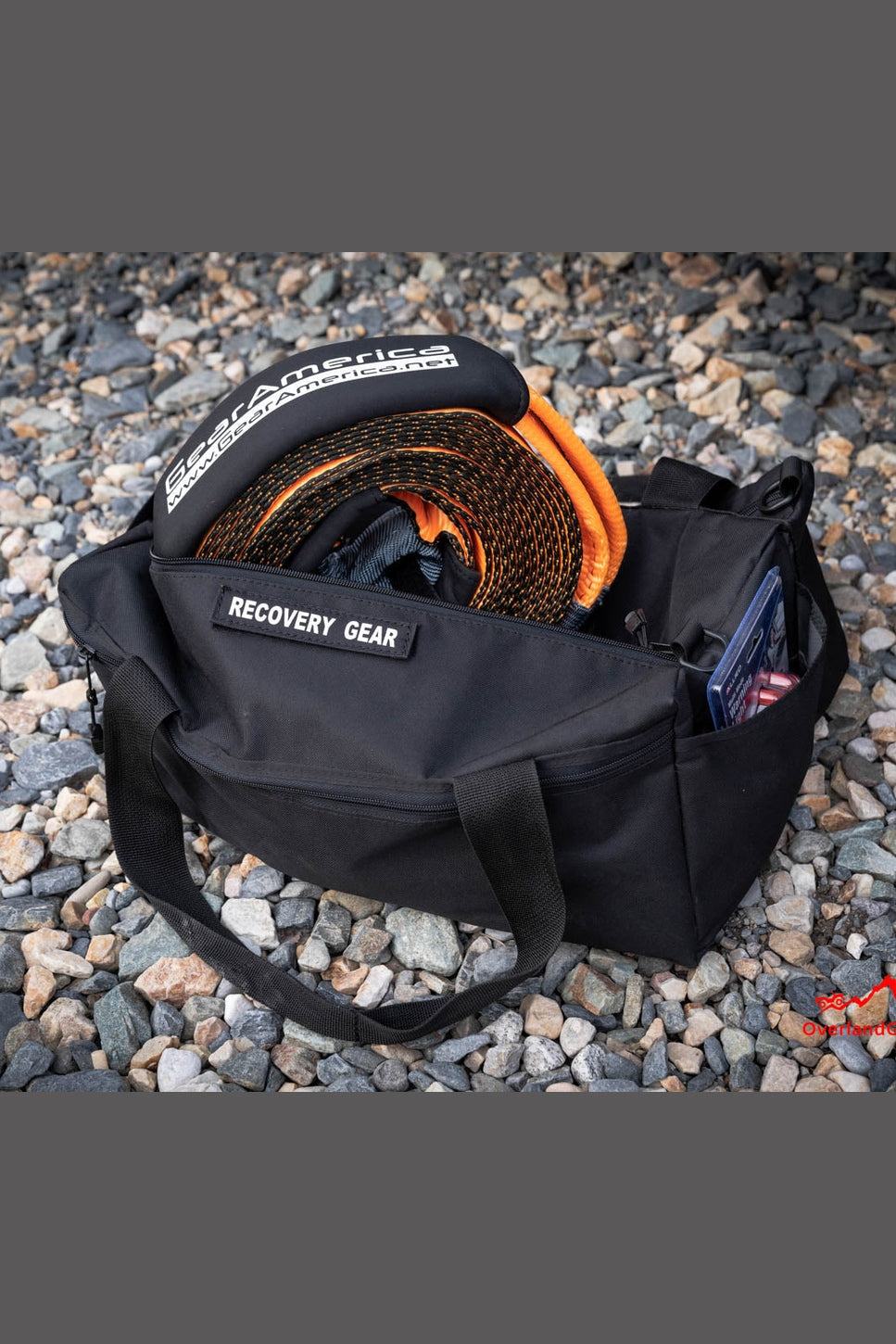
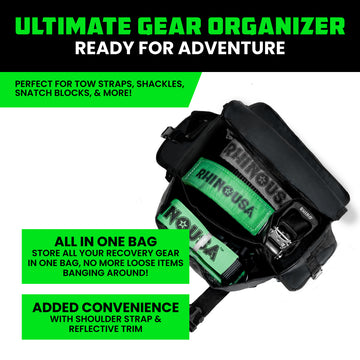
- Recovery straps and snatch straps. Keep rated straps in a clear bag.
- Winch rope or synthetic line. Store spooled to avoid kinks.
- Shackles and mounting hardware. Use a small metal box or pouch.
- Tree saver and pulley. Keep together with the rope.
- Gloves and safety gear. Store near access points.
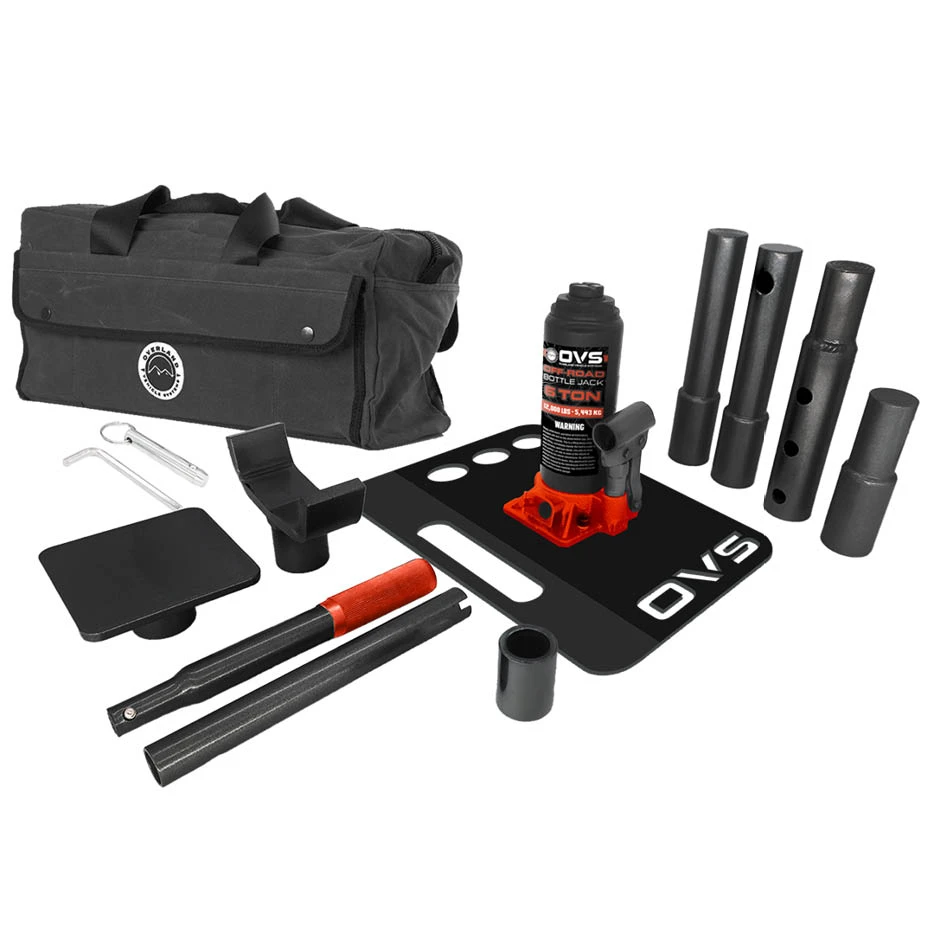
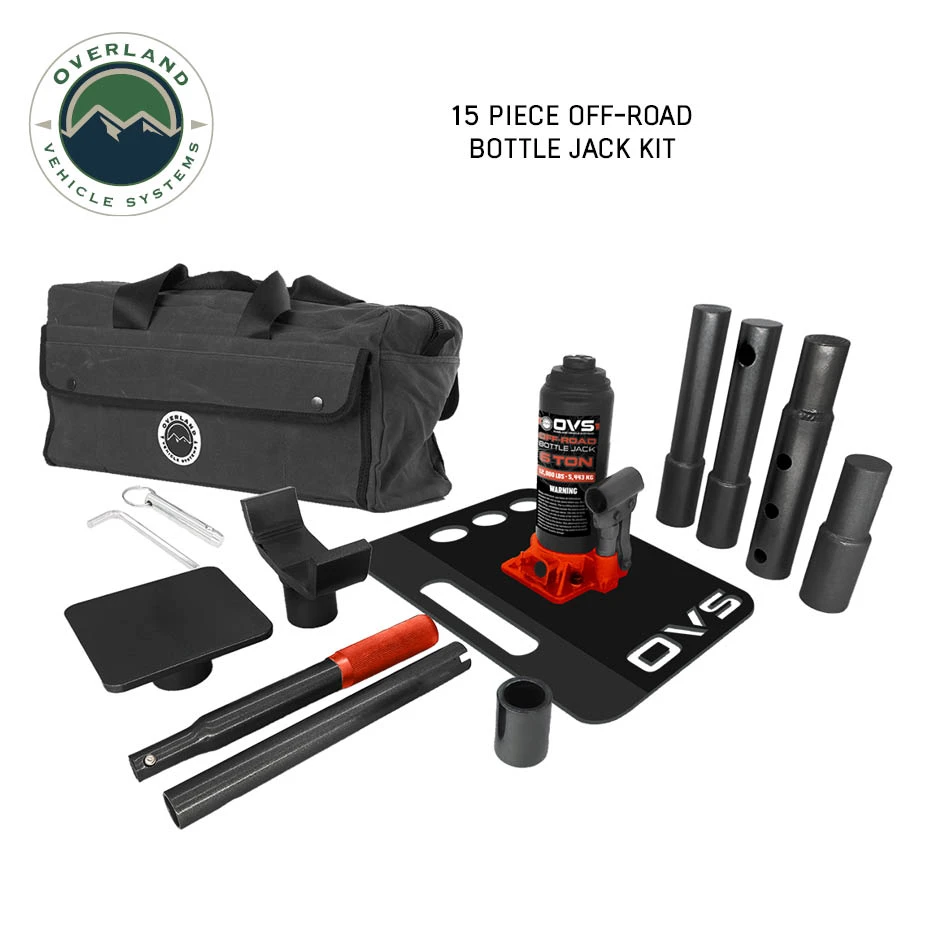
- Hi-lift jack and base plate. Secure to the frame or rear rack.
- Traction boards and shovel. Mount on the roof or tailgate.
- Air compressor and tire repair kit. Store near the tailgate.
- First aid and signaling gear. Keep in a labeled, weatherproof bag.
Organize by function and frequency of use. Place items you use first in the most accessible spot.
How to organize jeep recovery gear: a step-by-step system
Follow a few clear steps to set a system that works every trip.
- Inventory and audit
- Lay out all recovery gear. Note condition and ratings.
- Replace worn straps, rusted shackles, or frayed lines.
- Group and label
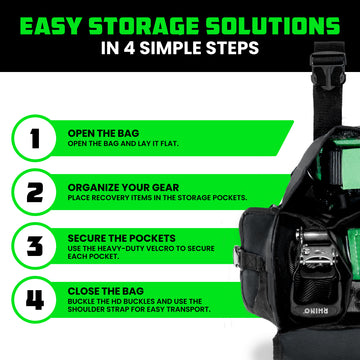
- Put like items together. Use clear bags or small bins.
- Label each bag with contents and ratings.
- Prioritize access
- Put essential, quick-use items near the tailgate or rear bumper.
- Store heavier, bulkier pieces lower in the vehicle for stability.
- Secure and mount
- Use racks, cargo nets, and mounts to prevent shifting.
- Bolt mounts if possible. Use quick-release straps for removable gear.
- Create task packs
- Make a “first 10 minutes” pack for items needed immediately.
- Make a “heavy recovery” kit with winch and high-load items.
- Check and restock
- After each trip, inspect gear and restock consumables.
- Record the date of inspection on labels.
This system answers how to organize jeep recovery gear with repeatable steps you can use before every outing.
Storage solutions and vehicle layout
Choose storage based on your jeep model and trips. Think short runs and long expeditions.
- Rear cargo area
- Best for easy access. Use stackable bins and tie-down points.
- Keep a floor mat to protect gear and ease cleanup.
- Roof rack
- Good for long items like traction boards and shovels.
- Use low-profile mounts to keep center of gravity lower.
- Rear bumper and tire carrier mounts
- Ideal for hi-lift jacks, recovery boards, and gas cans.
- Secure gear with lockable mounts when possible.
- Under-seat and under-floor storage
- Great for gloves, shackles, and small tools.
- Use waterproof pouches to guard against moisture.
- Console or door pockets
- Use for quick items like gloves, small winch remote, or flashlight.
Plan layout to keep the heaviest items low and near the vehicle center. That helps handling on rough terrain.
Maintenance, inspection, and packing checklist
A short checklist keeps gear ready. Use it before and after every trip.
- Visual check of straps and ropes for cuts or frays.
- Test shackles and winch hardware for cracks and wear.
- Clean mud and sand out of moving parts.
- Lubricate winch drum and bearing points as needed.
- Replace consumables after any heavy load event.
- Verify tree saver and snatch strap ratings have not been compromised.
Pack by task. A sample packing order:
- First-response bag: gloves, shackles, strap, remote
- Winch kit: synthetic rope, pulley, tree saver
- Heavy gear: hi-lift, traction boards, shovel
- Service kit: compressor, plugs, basic tools
This checklist makes the answer clear on how to organize jeep recovery gear for fast use.
Common mistakes and tips from field experience
I once left a shackle under a seat. We spent 30 minutes looking for it in cold rain. Learn from simple errors.
- Mistake: Storing everything loose. Tip: Use labeled bags.
- Mistake: Storing heavy items on the roof. Tip: Keep heavy gear low.
- Mistake: Not testing gear after use. Tip: Inspect and replace worn parts.
- Mistake: Overpacking rare items and underpacking essentials. Tip: Prioritize essentials in an access pack.
- Mistake: No plan for multi-vehicle recoveries. Tip: Carry extra shackles and straps. Coordinate with others before the pull.
One trip taught me to always pack two rated shackles and a spare strap. It saved a day on a remote trail.
How to organize jeep recovery gear for different trips
Adjust your organization for day runs, long trips, or technical recoveries.
- Day runs
- Carry a small access pack and basic tools. Keep it at the rear.
- Overland trips
- Distribute gear across the vehicle to balance weight. Use secure mounting.
- Technical recoveries
- Bring full winch kit, multiple shackles, snatch straps, and pulleys. Keep these in a single, marked kit for quick deployment.
Label each trip kit so you do not mix items between trips. That saves time when packing.

Lightweight hacks and gear upgrades
Small changes make life easier. Try these quick wins.
- Color-code straps and bags for fast identification.
- Use Velcro straps to bundle small tools.
- Add QR-code tags linking to your checklist or how-to videos.
- Use foam inserts in boxes to protect fragile items.
- Invest in quick-release mounting points for fast access.
These ideas help you fine-tune how to organize jeep recovery gear with little cost.

Safety notes and legal limits
Know your gear limits and local rules.
- Never exceed the rated capacity of straps, shackles, or winches.
- Replace gear after a shock load or visible damage.
- Use rated hardware that matches your vehicle weight.
- Follow local laws for cargo securement while driving on public roads.
Safety is part of proper organization. Treat ratings and checks as mandatory.
PAA-style questions
How often should I inspect my recovery gear?
- Inspect before every trip and after any heavy use. A quick visual and touch test finds most damage.
Where should I store my winch rope on the jeep?
- Keep it on the front winch drum or a sealed rope bag. Protect it from dirt and UV light.
Can I mix synthetic rope with steel shackles?
- Yes, if both are rated and compatible. Avoid mixing items with unknown ratings.
How do I keep recovery gear dry and clean?
- Use waterproof bags and rinse gear after muddy runs. Dry before storage.
What’s the minimum recovery kit for a day trip?
- Carry a snatch strap, two rated shackles, gloves, a basic tool kit, and a first-aid pack.
Frequently Asked Questions of how to organize jeep recovery gear
What is the first step to organizing my recovery gear?
Start with an inventory. Lay out every item. Replace damaged gear and note ratings.
How should I label recovery gear for fast access?
Use clear, printed labels with item name and load rating. Add color codes for quick ID.
Where is the safest place to store heavy recovery items?
Store heavy items low in the cargo area or under the floor. This lowers the center of gravity.
How do I make a quick-response recovery pack?
Pack essentials in one bag: gloves, strap, two shackles, and a winch remote. Keep it at the rear.
How often should I replace straps and shackles?
Replace if you see frays, cuts, or deformation. Also replace after any shock load or hard use.
Can I organize gear to share between vehicles?
Yes. Use identical kits and labeled packs so gear is interchangeable. Keep spare shackles in each vehicle.
What tools help secure recovery gear during travel?
Use ratchet straps, quick-release mounts, cargo nets, and lockable boxes to keep gear in place.
Conclusion
Organizing jeep recovery gear is simple when you use a clear system. Inventory, group, label, and place items by use and weight. Inspect gear often and pack by task. Small habits like labeled bags and an access pack save time and reduce risk. Start today: make a short checklist, build your kits, and do a trial pack before your next trip. Share your setup, ask questions, or subscribe for more gear tips — and stay safe on the trail.