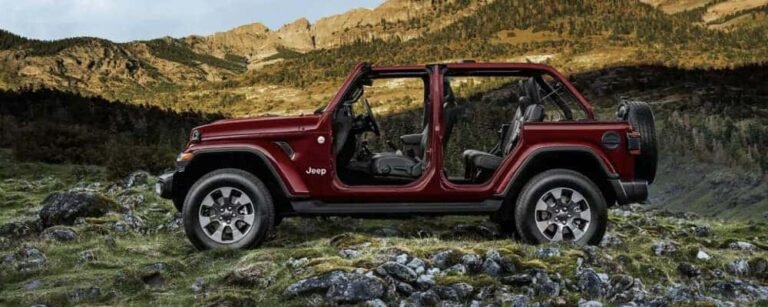
Inspect key areas: tires, underbody, fluids, suspension, brakes, and electrical.
I’ve spent years off roading and maintaining Jeeps. This article explains how to inspect jeep after off roading with clear steps, checklists, and real-world tips. Read on to learn practical inspections you can do in the field and at home to keep your Jeep safe and reliable.

Pre-inspection steps and safety
Before you start any inspection, park on level ground and turn the engine off. Let the vehicle cool for a few minutes to avoid burns. Gather basic tools: flashlight, gloves, digital camera or phone, shop rags, and a small jack. Knowing how to inspect jeep after off roading starts with safe setup and the right mindset.
- Check handbrake and wheel chocks to prevent rolling.
- Wear gloves and eye protection during the check.
- Keep a checklist or phone notes to record damage.
- Take photos of any issues for later repair or insurance.
Exterior and body checklist
Mud, rocks, and branches can hide dents and scrapes. Walk around the Jeep slowly and scan body panels, bumpers, and lights. Practicing how to inspect jeep after off roading helps you spot small problems before they worsen.
- Inspect front and rear bumpers for cracks or bent mounts.
- Check grille, hood, and doors for dents and latch damage.
- Look for loose bolts on aftermarket parts like winches and sliders.
- Examine all lights and lenses for cracks and mud build-up.

Underbody, suspension, and drivetrain
The underbody takes the most abuse. Lift the hood and then get under the Jeep (use jack stands if needed). Learning how to inspect jeep after off roading includes a careful undercarriage check for leaks, damage, and loose hardware.
- Inspect skid plates for dents and missing bolts.
- Check control arms, track bars, and sway links for bends or cracks.
- Look at driveshafts and U-joints for grease loss or play.
- Scan exhaust pipes and hangers for dents or detachment.
- Check differential housings and transfer case for leaks or impact damage.

Tires, wheels, brakes, and alignment
Tire damage is common after trails. Carefully inspect each tire for cuts, bubbles, or sidewall tears. Knowing how to inspect jeep after off roading reduces the chance of a flat later.
- Check tire tread for embedded rocks and uneven wear.
- Look for sidewall cuts, bulges, and punctures.
- Inspect rims for cracks, bends, or bead separation.
- Remove wheel gravel and mud from brake calipers and drums.
- Spin each wheel to feel for rough bearings or dragging brakes.
Fluids, filters, and engine bay
Off road dust and water can contaminate fluids. Open the hood and check fluid levels and signs of contamination. Part of how to inspect jeep after off roading is confirming fluids are clean and topped off.
- Check engine oil for metal flakes or milky discoloration.
- Inspect coolant and reservoir for proper level and leaks.
- Look under the air intake and filter housing for mud or water.
- Check transmission and transfer case fluid levels and leaks.
- Inspect fuel lines and connections for damage.

Electrical, winches, and accessories
Water and mud stress electrical systems. Inspect wiring, connectors, and accessories after every trail. A reliable method for how to inspect jeep after off roading includes a quick electrical scan.
- Check battery terminals for corrosion and secure mounting.
- Inspect exposed wiring for cuts, pinches, or loose connectors.
- Test lights, horn, winch, and auxiliary switches.
- Dry and clean any wet connectors; use dielectric grease if available.
Post-inspection maintenance and repairs
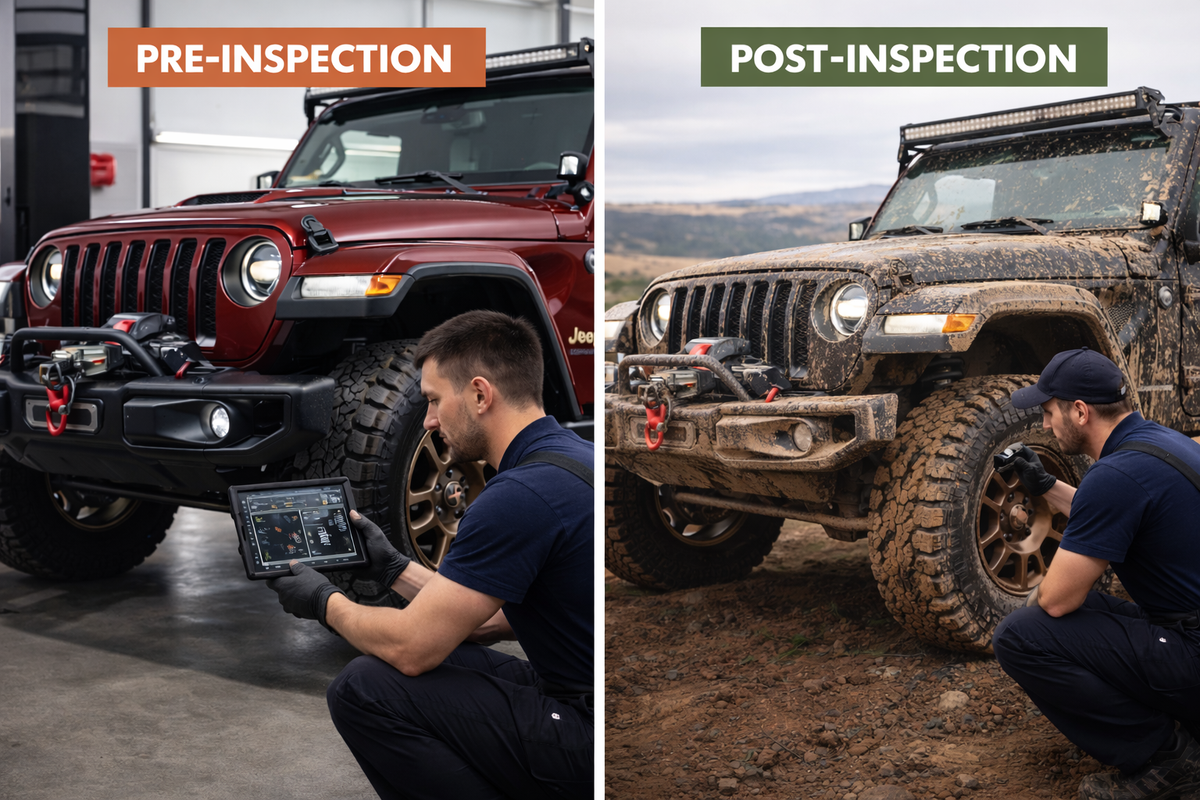
After you find issues, prioritize safety items first. Make a plan: immediate fixes at the trail or scheduled shop repairs. Doing this regularly is the essence of how to inspect jeep after off roading and keep your Jeep ready.
- Tighten loose bolts and fasteners immediately.
- Replace damaged tires or wheel parts before driving long distances.
- Schedule professional checks for bent frames or drivetrain issues.
- Flush or change contaminated fluids as soon as practical.

Tips, common problems, and prevention
Small checks prevent big breakdowns. My own Jeep once suffered a bent track bar after a rock hit; I caught it because I did a post-ride inspection. These habits make how to inspect jeep after off roading effective and habit-forming.
- After heavy water crossings, dry brakes with light driving and test stops.
- Keep a small recovery and repair kit in the Jeep.
- Wash the undercarriage after salty or muddy trails to prevent corrosion.
- Log inspections and repairs to spot recurring issues.

Frequently Asked Questions of how to inspect jeep after off roading
How soon should I inspect my Jeep after off roading?
Inspect as soon as you finish the trail or when you reach a safe place. A quick walk-around and underbody scan can catch urgent issues before they worsen.
Can I do all inspections by myself?
You can do most visual and basic mechanical checks alone. For heavy repairs, bent frames, or drivetrain damage, get professional help.
What tools are essential for a field inspection?
Flashlight, gloves, jack and stands, basic socket set, tire pressure gauge, and rags are essential. A camera or phone for photos is also very helpful.
How do I check for hidden leaks?
Park on dry pavement and look for fresh drips under the Jeep. Use a clean sheet of cardboard under suspected areas to collect and identify fluids.
Should I wash my Jeep after every off-road trip?
Rinse the undercarriage and wheel wells after most trips, especially after muddy or salty conditions. Regular washing prevents corrosion and reveals hidden damage.
Conclusion
Knowing how to inspect jeep after off roading keeps your rig safe, reliable, and trail-ready. Do a quick post-ride scan, follow a consistent checklist, and address safety items first. Start practicing these inspections after your next trip, share your experiences, and subscribe for more tips or leave a comment about your best trail fixes.