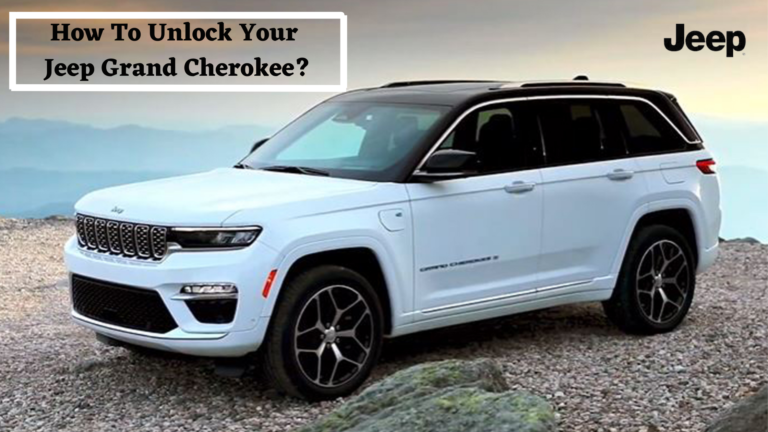
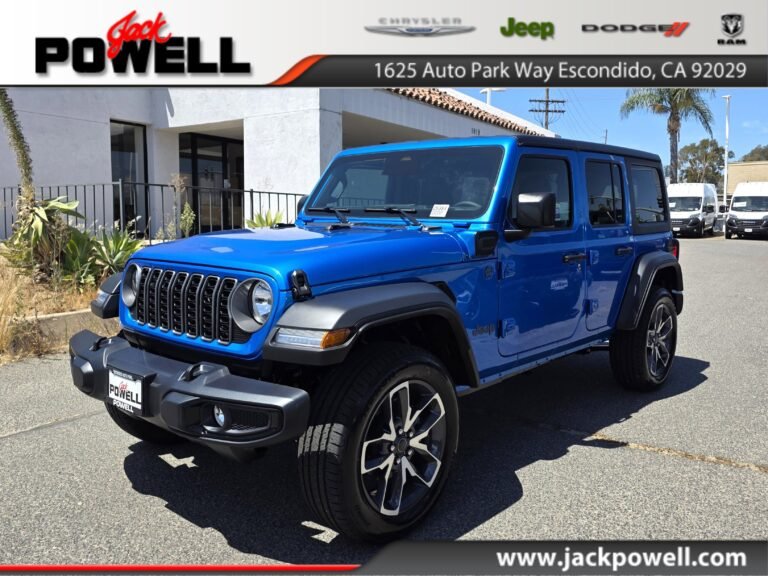
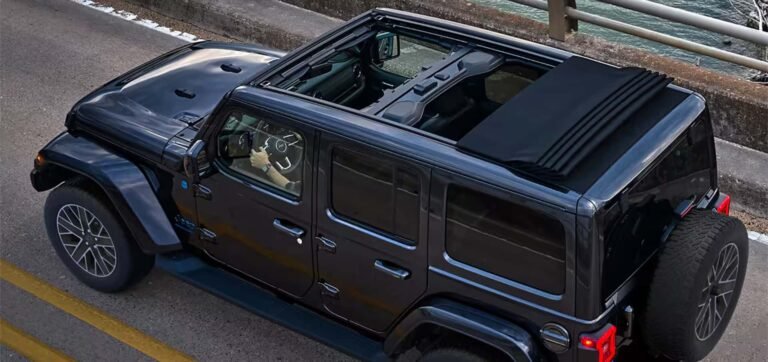
Jeep Wrangler is built for hardcore off-roading; Jeep Cherokee is tuned for daily comfort and family use.
I’ve spent years testing Jeeps on trails and highways. In this guide I break down jeep wrangler vs jeep cherokee with real-world experience, clear comparisons, and practical buying advice. Expect vehicle specs, driving feel, ownership costs, and which model fits your lifestyle — whether you camp on weekends or commute every day.

Quick overview: jeep wrangler vs jeep cherokee
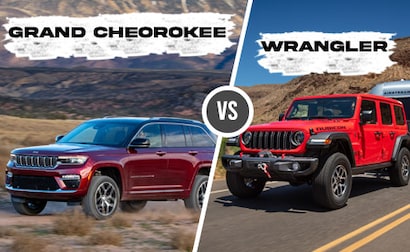
The jeep wrangler vs jeep cherokee comparison comes down to purpose. Wrangler prioritizes rugged capability and modular design. Cherokee focuses on ride comfort, fuel efficiency, and family-friendly features.
- Wrangler strengths include removable tops, solid axles, high ground clearance, and trail-ready gear.
- Cherokee strengths include better highway manners, refined interior, and more tech for daily driving.
Design, build, and interior: which fits you?
Jeep Wrangler
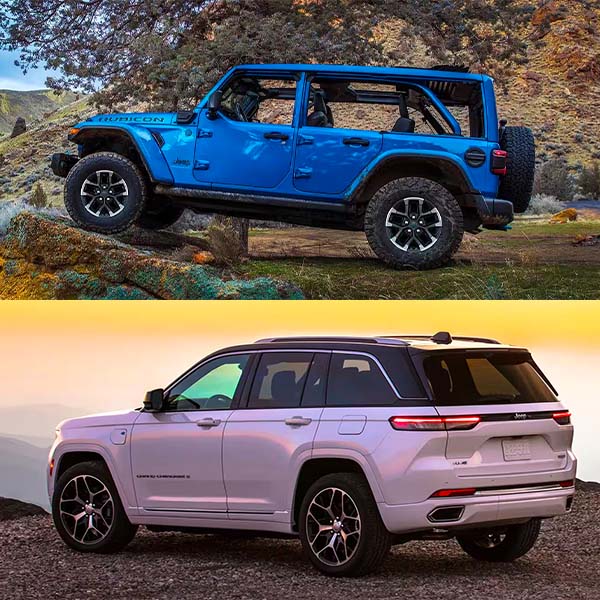
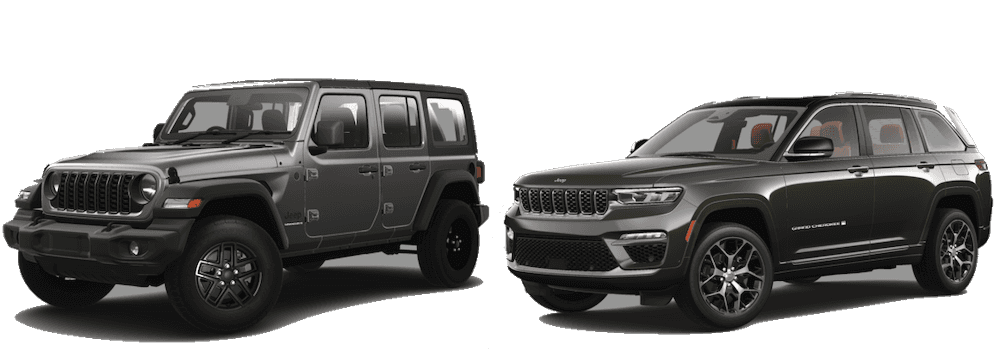
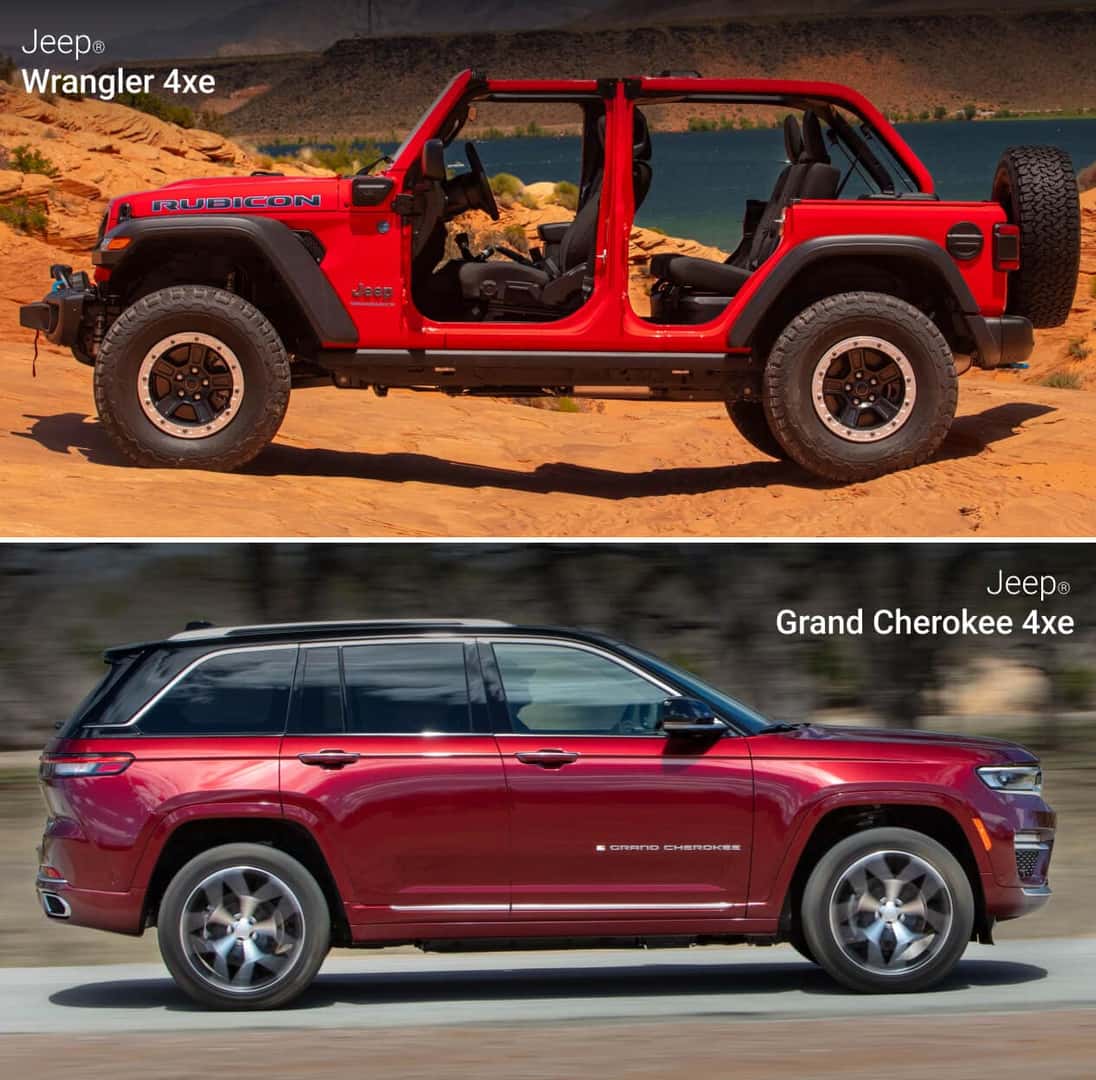
- Boxy, utilitarian design built for trail repairs and modularity.
- Interior is simple, durable, and easy to hose out after muddy trips.
- Seating is upright and roomy for front passengers, rear legroom varies by model.
- Sleeker crossover styling with smoother lines and quieter cabin.
- Interior uses softer materials and offers more creature comforts.
- Rear seating and cargo space are tuned for family use and groceries.
Practical takeaways
- Choose Wrangler if you want a rugged, easy-to-modify vehicle.
- Choose Cherokee if you want daily comfort and better noise isolation.
Performance and off-road capability: who wins?
Jeep Wrangler
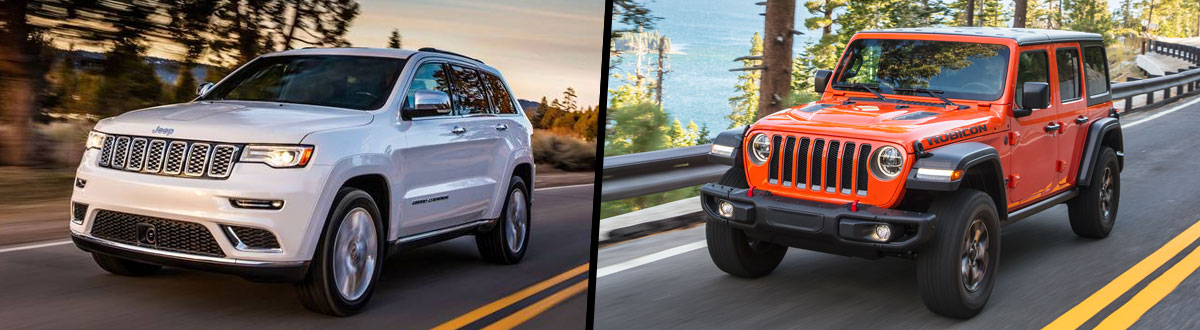
- Trail-proven with selectable 4×4 systems, locking differentials, and disconnecting sway bars.
- Higher ground clearance and approach/departure angles.
- Available off-road packages include heavy-duty skid plates and low-range gearing.
Jeep Cherokee
- Available all-wheel-drive systems designed for light off-road and poor weather.
- Better on paved roads with more predictable handling and less body roll.
- Off-road capability is competent for dirt roads and snow, but not extreme trails.
Real-world note: I once took a Wrangler up a steep, rutted trail with no issues. The Cherokee handled gravel roads and winter commutes confidently, but I avoided deep ruts and rock crawls.
Engines, transmissions, and fuel economy
Jeep Wrangler
- Engine options include turbocharged four-cylinders, V6s, and available hybrids on newer models.
- Fuel economy is lower due to weight and gearing for torque.
- Transmissions typically include 6- or 8-speed automatics and a manual in some trims.
Jeep Cherokee
- Engines favor fuel efficiency, including turbocharged four-cylinders and available mild-hybrid tech.
- Better highway MPG and lower running costs.
- Smooth-shifting transmissions and tuning aimed at comfort.
Numbers to expect
- Wrangler tends to return mid-teens MPG in mixed driving.
- Cherokee often achieves high teens to low 20s MPG depending on engine and drivetrain.

Safety, technology, and driver aids
Jeep Wrangler
- Modern Wranglers include driver aids like blind-spot monitoring, adaptive cruise, and rear cameras.
- Harder to achieve top crash-test scores because of design and removable roof structures.
- Off-road safety gear often prioritized over passive crash attenuation.
Jeep Cherokee
- Emphasizes active safety tech and achieves strong crash-test results in many model years.
- Offers more standard driver-assistance features on mid-level trims.
- Infotainment systems are tuned for daily convenience and connectivity.
Practical tip: If safety ratings are a top priority, check recent Cherokee crash-test results and available safety suites. Wrangler buyers should focus on off-road visibility and protection options.
Cost, ownership, and resale value
Purchase price
- Wrangler typically commands a higher base price and holds value well.
- Cherokee is priced competitively in the compact SUV segment.
Ownership costs
- Fuel and tires cost more for Wrangler due to heavier duty parts and gearing.
- Cherokee tends to be cheaper to insure and maintain for daily drivers.
Resale and demand
- Wrangler has strong resale value thanks to brand cachet among enthusiasts.
- Cherokee resale varies with trim and market demand.
Pros and cons: jeep wrangler vs jeep cherokee
Jeep Wrangler pros
- Unmatched off-road capability.
- Highly moddable and iconic design.
- Strong resale among enthusiasts.
Jeep Wrangler cons
- Less comfortable on long highway drives.
- Lower fuel economy.
- Can be noisy and less refined inside.
Jeep Cherokee pros
- Comfortable, quiet ride for daily use.
- Better fuel economy and refinement.
- More family-friendly features and safety tech.
Jeep Cherokee cons
- Not designed for extreme off-roading.
- Resale and enthusiast demand lower than Wrangler.
Who should buy which model?
Choose Jeep Wrangler if:
- You go off-roading regularly.
- You value modular design and customization.
- You want an iconic, rugged vehicle and accept trade-offs in comfort.
Choose Jeep Cherokee if:
- You need a dependable daily driver and family vehicle.
- You want better fuel economy and a quiet cabin.
- You prioritize on-road comfort and safety features.
Personal perspective: As someone who has owned both models in different years, I used the Wrangler for weekend overland trips and the Cherokee as a daily driver. Both served me well when used for their strengths.

Practical tips, maintenance, and buying advice
Buying new vs used
- New Wranglers are popular and carry options and off-road packages; expect higher price.
- Used Cherokees can offer value if maintenance records are solid.
Maintenance tips
- For Wrangler, inspect underbody components and check for rust on older models.
- For Cherokee, ensure transmission service history and newer safety-electronics function.
Test-drive checklist
- Drive both on highway and rough roads.
- Test 4×4 systems in the Wrangler.
- Listen for wind and road noise in the Wrangler; check seat comfort in the Cherokee.
PAA-style questions (short answers)
-
Is the Jeep Wrangler better off-road than the Cherokee?
- Yes. The Jeep Wrangler is purpose-built for trails and extreme off-road use, while the Cherokee is for light off-road and daily driving.
-
Which model is more fuel efficient?
- The Jeep Cherokee is generally more fuel efficient due to lighter gearing and engines tuned for economy.
-
Can the Cherokee handle snow and mud?
- Yes, with the right AWD system and tires, the Cherokee handles snow and mud well but not deep-rock terrain.
-
Which holds value better: Wrangler or Cherokee?
- Wrangler holds value better, driven by enthusiast demand and its reputation.
-
Is the Wrangler practical as a daily driver?
- It can be, but expect trade-offs in ride comfort, noise, and fuel costs compared with the Cherokee.
Frequently Asked Questions of jeep wrangler vs jeep cherokee
Which has better fuel economy, Wrangler or Cherokee?
The Jeep Cherokee typically has better fuel economy due to engine tuning and lighter gearing that favor efficiency.
Which model is safer for family use?
The Cherokee tends to be safer for family use because it offers more standard driver-assistance features and a quieter, more stable ride.
Can I use a Cherokee for light off-roading?
Yes. The Cherokee with AWD and proper tires can handle dirt roads, snow, and light trails but avoid extreme rock crawling.
How does maintenance compare between the two?
Wrangler maintenance can be higher for off-road wear items like tires and suspension; Cherokee maintenance costs are generally lower for daily use.
Is the Wrangler more customizable than the Cherokee?
Yes. The Wrangler has more aftermarket parts, removable tops and doors, and a large community for upgrades and mods.
Conclusion
Both vehicles serve clear but different needs. The jeep wrangler vs jeep cherokee decision comes down to how you drive. Choose Wrangler for trail dominance and customization. Choose Cherokee for comfort, fuel savings, and daily practicality. Think about your lifestyle, test-drive both in the environments you use most, and pick the one that matches your priorities. If you’re undecided, start with a test drive and a list of must-have features, and comment below with your top use case — I’ll help you decide.