Check the fuse, switch, motor, and regulator first — most Jeep power window issues are simple fixes.
I’ve spent years fixing cars and have worked on many Jeeps, so I know how to fix Jeep power window issues fast and safely. This guide walks you through clear diagnosis steps, the right tools, step-by-step fixes for common faults, and when to call a pro. Read on to learn practical repairs, cost estimates, and preventative tips so you can get your window working again without stress.
Diagnostic basics: find the real problem
Start simple. A good diagnosis saves time and money when learning how to fix Jeep power window issues.
- Check the fuse and power first. A blown fuse is quick to test and replace.
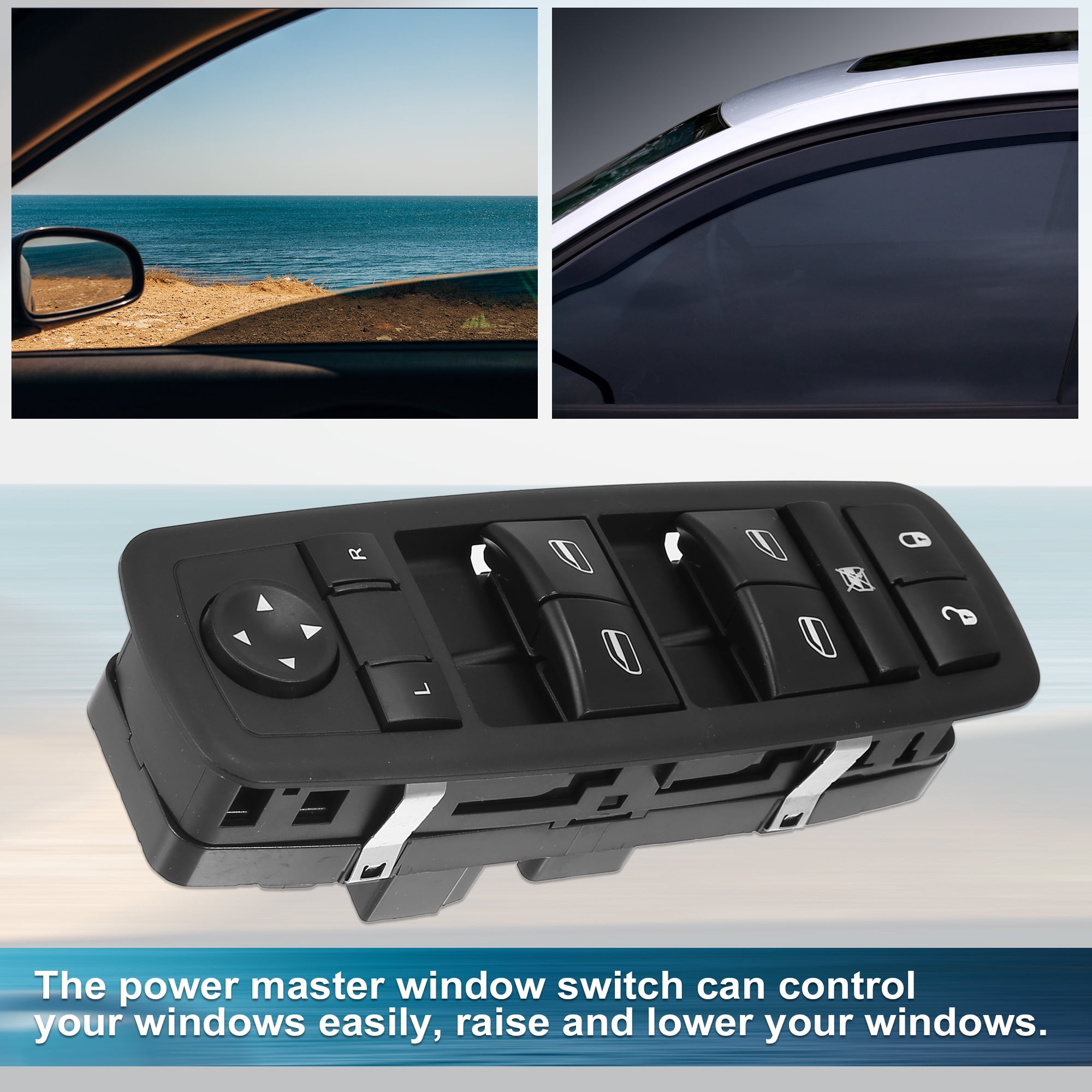
- Try the master switch and door switch. If one works and the other does not, the switch may be bad.
- Listen for motor noise. A humming motor with no movement points to the regulator or cable.
- Observe movement. Slow or jerky travel hints at worn regulator tracks or binding.
I always test the fuse, then the switches, and then isolate motor versus regulator. That order helps me fix Jeep power window issues without replacing parts I don’t need.

Tools and parts you’ll need
Having the right tools makes how to fix Jeep power window issues much easier.
- Basic tools: ratchet set, screwdrivers, trim tools, needle-nose pliers.
- Electrical tools: multimeter, test light, wire connectors, dielectric grease.
- Replacement parts: fuses, switches, window motor, regulator, clips, and weatherstripping.
- Safety gear: gloves and eye protection.
I keep a small kit in my garage. When you gather these, repairs go faster and cleaner.

Step-by-step: testing power and fuses
A dead window often means no power. Start here when you want to know how to fix Jeep power window issues.
- Locate the fuse box. Consult the owner’s manual for the correct fuse label and amp rating.
- Inspect the fuse visually and test with a multimeter. Replace with same amp rating if blown.
- Test for power at the switch. With the key on, use a test light or meter on the switch power feed.
- Check the ground. A bad ground can mimic a blown fuse.
I once fixed a Cherokee’s stuck window by swapping a single 20A fuse. Tests stopped a needless motor replacement.
Fuse numbers and locations vary by model and generation, so check yours before assuming a fuse is fine:
| Model / Generation | Fuse Location | Notes |
|---|---|---|
| Grand Cherokee / Cherokee (WJ/XJ, 1999–2004) | Underhood Power Distribution Center | Commonly fuse #12, 50A |
| Wrangler (JK, 2007–2018) | Totally Integrated Power Module (engine bay) | Power runs through door-node fuses, not a single shared window fuse |
| Newer models (JL, WK2, KL, and others) | Check the owner’s manual fuse map | Layouts differ enough by trim and year that a universal fuse number doesn’t apply |
If your fuse box cover doesn’t have a printed map, or the labels have worn off, your owner’s manual has the full diagram for your specific year and trim.
How to Reset Auto Up/Down Power Windows
If your window used to close with one tap but now requires you to hold the switch the entire way, it may need a reset rather than a new regulator or motor. The auto up/down or one-touch function relies on the vehicle’s window control system to learn the window’s full travel range. A battery disconnect, dead battery, or jump-start can cause that learned position to be lost.
To reset the function on many Jeep models:
- Turn the ignition to the ON position. On newer push-button models, the engine can remain off.
- Pull the window switch up and hold it until the window is fully closed. Continue holding the switch for another 1–2 seconds.
- Push the switch down and hold it until the window is fully open. Continue holding the switch for another 1–2 seconds.
- Test the one-touch function by briefly tapping the switch in both directions.
The exact reset procedure and hold times vary by Jeep generation and model. Some vehicles may require the procedure to be repeated before the window control module relearns the full travel range.
If the window still will not relearn after several attempts, check the window switch, regulator, glass guides, and tracks for mechanical or electrical problems. A reset will not correct a worn regulator, binding glass, damaged wiring, or a failing switch.

Step-by-step: testing and replacing switches
Switch failure is common. Here’s how to test and replace a switch when learning how to fix Jeep power window issues.
- Remove the door trim panel to access the switch pack. Keep screws and clips organized.
- Test switch pins with a multimeter while pressing the switch. Look for continuity in both directions.
- Swap the master and passenger switch (if identical) to confirm the switch is bad.
- Replace the switch if it fails tests. Use OEM or high-quality aftermarket parts for reliability.
Short, consistent testing saves parts. Swapping an identical switch is a quick, low-cost diagnostic trick I use often.

Step-by-step: motor and regulator repairs
Motor or regulator faults often cause stuck or slow windows. This is the core of how to fix Jeep power window issues.
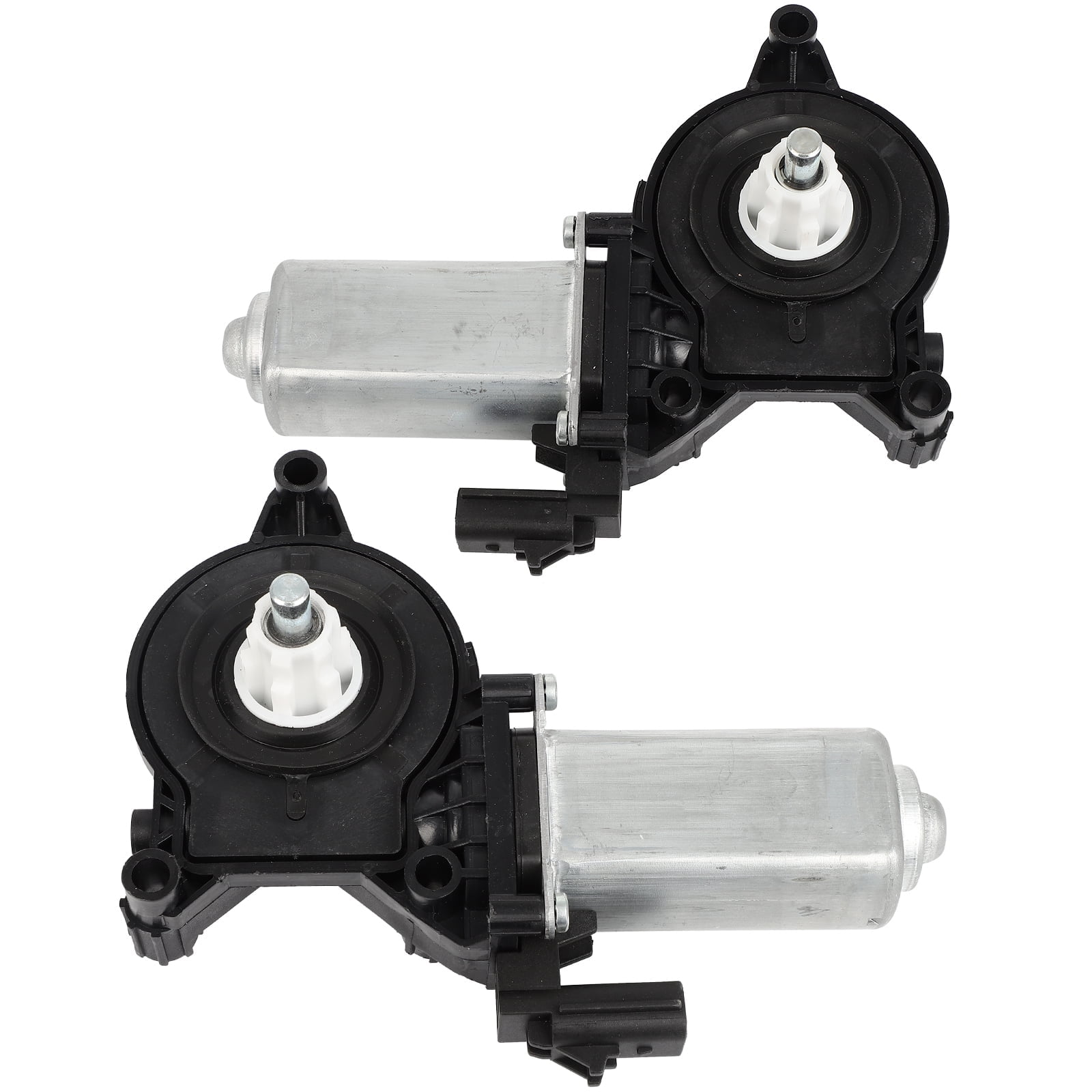
- Remove door panel and vapor barrier carefully to expose the motor and regulator.
- Test motor power while activating the switch. If power reaches the motor and it doesn’t run, the motor is bad.
- Inspect regulator cables and tracks for fraying, broken clips, or bent arms.
- Replace the motor or regulator assembly as needed. Some Jeeps allow replacing just the motor; others need the whole regulator.
- Lubricate tracks and rollers with white lithium grease when reassembling.
I’ve replaced regulators on older Wranglers more than once. Replacing the entire regulator assembly often saves time long-term.
Inspect regulator cables and tracks for fraying, broken clips, or bent arms.” Change to: “Inspect regulator cables and tracks for fraying, broken clips, or bent arms — also check the plastic bracket that clips the glass to the regulator, since its teeth can wear down and fail even when the motor and cables are fine.
Fixing binding tracks, rollers, and clips
If the window moves slowly or gets stuck partway, tracks and clips might be the issue.
- Remove the glass or lower it to access rollers and guide tracks.
- Clean debris and old grease from tracks. Dirt causes binding.
- Replace broken rollers, clips, or worn guides. These parts are cheap but critical.
- Realign the glass in the track and test operation before final assembly.
A Jeep I serviced had torn weatherstripping that sent grit into tracks. A few new clips and a clean track made the window smooth again. If your window stops and reverses direction partway through closing, that’s not always a mechanical fault — many Jeeps have a pinch-protection feature that reverses the window when it senses resistance. Rule out a dirty or misaligned track first before assuming the motor or regulator is bad.

Electrical wiring and ground troubleshooting
Intermittent or no power often comes from wiring faults. Solid electrical checks are key to how to fix Jeep power window issues.
- Visually inspect wiring harness inside the door for chafing and pinch points.
- Wiggle-test connectors while activating the switch to spot intermittent faults.
- Repair frayed wires with solder and heat-shrink or use quality crimp connectors.
- Ensure the door ground is clean and tight to the body. Corrosion kills circuits slowly.
I once chased an intermittent window that only failed on bumpy roads. A broken wire by the hinge was the culprit. Repairing that fixed the issue.One more thing worth checking: the same door connector that feeds your window switch often also carries power for the door locks, mirrors, and door-ajar sensor. If more than one of those stopped working at the same time as your window, the connector itself — not the window motor — is the more likely culprit.

Quick fixes for a stuck window
Need a fast temporary fix? These help when you need function now while planning a full repair.
- Use the manual override (if available) or gently push/pull the glass while pressing the switch.
- Remove inner door panel and manually move the regulator to a safe position until parts arrive.
- Tape the window in place to keep weather out until you can fix the regulator.
Temporary fixes are for short-term use only. They help preserve the interior until a proper repair.
Preventive maintenance to avoid future problems
A little care helps reduce how often you need to fix Jeep power window issues.
- Keep door seals clean and free of debris to prevent grit in the tracks.
- Operate windows regularly to keep mechanisms moving smoothly.
- Lubricate window tracks and regulators annually with suitable grease.
- Inspect wiring at door hinges during routine maintenance.
Small actions cut long-term repair costs. I do this yearly on my own Jeep and skip many common repairs.
When to call a professional
Some problems need a shop. Know when to stop and call a pro for how to fix Jeep power window issues.
- No power after fuse and switch tests points to complex wiring or BCM issues.
- Replacing regulators on modern doors with airbags or complex wiring may need shop tools.
- If you lack tools or confidence to work inside doors, a pro saves time and risk.
A reputable shop can diagnose body control module or banked wiring problems quickly. Don’t be shy about professional help.
Costs, parts, and time estimates
Budgeting helps decide whether to DIY or go pro for how to fix Jeep power window issues.
- Small fixes: fuse or switch—$10 to $60 in parts, 15–60 minutes.
- Motor only: $60 to $200 for parts, 1–3 hours labor if DIY.
- Regulator assembly: $100 to $350 parts, 1–4 hours; higher at a shop.
- Full door labor at a shop might add $100 to $300.
Prices vary by model and part quality. OEM parts cost more but last longer.
Personal tips, mistakes to avoid, and lessons learned
I’ve fixed dozens of windows. Here are practical tips from my experience on how to fix Jeep power window issues.
- Test before you replace: I learned that swapping parts without testing wastes money.
- Keep track of screws and clips. Missing clips lead to rattles and loose panels later.
- Don’t overtighten bolts near glass. That can bind the track.
- Use dielectric grease on electrical connectors to prevent corrosion.
These are small habits that save hours and cash. They made my last Jeep repair simple and clean.
PAA-style questions (common related queries)
- How long does it take to replace a window regulator?
- Replacing a regulator typically takes 1 to 3 hours for an experienced DIYer, depending on door complexity and access.
- Can I run a window with a bad regulator for a while?
- You can in a limited way, but a failing regulator risks glass detachment or further damage. Fix sooner to avoid bigger repairs.
- Is it safe to use aftermarket motors and regulators?
- Many aftermarket parts work well and are cost-effective, but choose reputable brands and check fitment for your Jeep model.
Frequently Asked Questions of how to fix jeep power window issues
What is the first thing I should check if my Jeep window stops working?
Start with the fuse and then test the master switch and the passenger switch. These checks are fast and often solve the issue.
How do I know if the window motor is bad?
If power reaches the motor and it does not run, the motor is likely bad. A humming motor with no movement suggests regulator or cable failure.
Can I replace a window regulator myself?
Yes, many DIYers can replace regulators with basic tools. Be cautious with glass removal and keep parts organized to avoid breakage.
Why does my window move slowly?
Slow movement usually means worn regulator parts, dirty tracks, or low power due to poor ground or battery issues. Clean and lubricate tracks, and check electrical supply.
How much does it cost to fix a Jeep power window?
Costs range widely: $10–$60 for minor parts, $60–$350 for motors or regulators, plus possible labor charges. Exact cost depends on model and parts quality.
What fuse controls the power windows on a Jeep?
It depends on the Jeep model and model year. There is no single power-window fuse number that applies to every Jeep. Check the owner’s manual or the fuse-box cover for the correct fuse and circuit label, since fuse layouts can differ significantly between generations and trims.
Why did my Jeep’s auto up/down window stop working after I disconnected the battery?
The window system may have lost its learned travel setting rather than suffered a mechanical failure. Reconnect the battery, then relearn the window’s travel range by holding the switch up until the window fully closes and continuing to hold it for another 1–2 seconds. Then hold the switch down until the window fully opens and continue holding it for another 1–2 seconds.
Why does my window bounce back down when I try to close it?
The window may be triggering its pinch-protection feature because it detects resistance while closing. Check the window track and guides for dirt, debris, binding, or misalignment before assuming the regulator or motor has failed. If the window continues reversing after the track is clean and properly aligned, further inspection may be necessary.
Conclusion
You can fix many common problems if you know how to fix Jeep power window issues step by step. Start with fuses and switches, test power, inspect wiring, and then address the motor or regulator. Do the work safely and use the right tools to save time and money. Try the simpler fixes first, and call a trusted shop for complex electrical or factory-body issues. If this guide helped, try a basic diagnostic yourself, subscribe for more DIY tips, or leave a comment with your Jeep model and problem so I can help further.