Jeep Wrangler Mud Sand Snow Rock and Water-Crossing Driving is about more than having four-wheel drive. A capable Jeep still needs the right tires, correct gear selection, and a driver who understands how the terrain changes vehicle behavior.
From forest trails in Colorado to desert paths in Arizona and snowy backroads across the northern United States, Wrangler owners learn that smooth inputs often beat aggressive driving. In my experience studying off-road techniques, the best trail drivers protect their vehicles by staying patient and reading the surface before making a move.
Understanding Jeep Wrangler Off-Road Capability
Jeep Wrangler Mud Sand Snow Rock and Water-Crossing Driving starts with understanding the vehicle. Wrangler models use features like four-wheel drive systems, low-range gearing, solid axles, and available off-road equipment to handle difficult terrain.
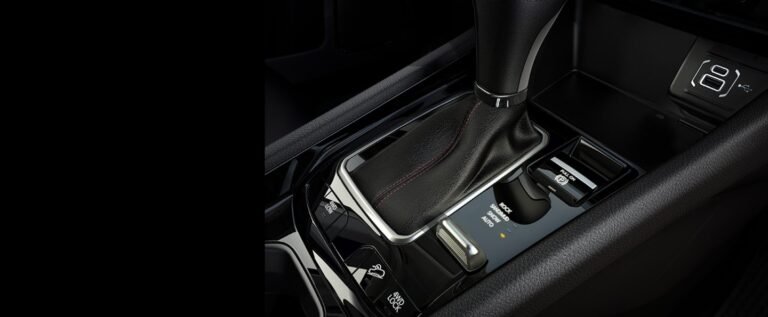
The driver remains the most important part of the system. Knowing when to use 4H, when to shift into 4L, and when to slow down can make the difference between a clean trail run and a recovery situation.
- ✦ Four-wheel drive systems
4H helps with loose surfaces and slippery roads, while 4L provides extra control during slow technical obstacles.
- ✦ Ground clearance
Higher clearance helps the Wrangler move over rocks, ruts, and uneven trails with less underbody contact.
- ✦ Driver control
Smooth throttle and careful steering help maintain traction on changing surfaces.
Jeep Wrangler Mud Driving Techniques
Mud is one of the most challenging parts of Jeep Wrangler Mud Sand Snow Rock and Water-Crossing Driving because traction changes constantly. Deep mud can hide holes, rocks, and soft sections that may stop even a well-equipped vehicle.
The goal in mud is to maintain momentum without spinning the tires too aggressively. Wheel spin can dig the Jeep deeper and remove the traction surface beneath the tires.

- ✦ Use the right tires
Mud-terrain tires with open tread patterns help clean mud from the tire surface and improve grip.
- ✦ Avoid sudden throttle
Gentle acceleration keeps tires working instead of creating deep ruts.
- ✦ Carry recovery tools
Recovery straps, traction boards, and a proper recovery point are valuable on muddy trails.
Common Mud Driving Mistakes
Many new drivers enter mud too quickly and lose control when the surface becomes deeper. A better method is to inspect the trail, choose a line, and keep steady movement.
- ✦ Ignoring trail conditions
Wet weather can quickly change a familiar trail into a difficult obstacle.
Driving a Jeep Wrangler Through Sand and Desert Terrain
Sand requires a different approach because the surface moves under the tires. Jeep Wrangler Mud Sand Snow Rock and Water-Crossing Driving on dunes or beaches depends on maintaining flotation instead of cutting deeply into the ground.
Lower tire pressure can increase the contact area and improve traction on soft sand. Drivers should always use a reliable tire gauge and reinflate tires before highway speeds.

- ✦ Reduce tire pressure carefully
Lower pressure can help tires stay on top of loose sand, but extreme pressure reduction should be avoided.
- ✦ Keep momentum
Steady speed helps prevent the Jeep from sinking into soft sections.
- ✦ Avoid sharp turns
Hard steering inputs increase resistance and can bury the tires.
Jeep Wrangler Snow Driving and Winter Trail Control
Snow creates a unique challenge because traction depends on snow depth, temperature, ice layers, and tire choice. Jeep Wrangler Mud Sand Snow Rock and Water-Crossing Driving in winter requires extra planning.
Winter driving is not only about moving forward. Drivers must also control braking distance and avoid sudden movements that can cause sliding.

- ✦ Use winter-ready equipment
Snow-rated tires, recovery gear, and emergency supplies improve confidence in cold conditions.
- ✦ Drive smoothly
Slow steering and gentle throttle inputs help maintain control.
Preparing for Cold Weather Trails
Before a winter trail trip, check fluids, battery condition, tire pressure, and weather reports. Remote areas can become dangerous when temperatures drop quickly.
Rock Crawling With a Jeep Wrangler
Rock crawling is the most technical part of Jeep Wrangler Mud Sand Snow Rock and Water-Crossing Driving. It requires slow movement, careful tire placement, and constant attention to the trail.
A Wrangler Rubicon with features like locking differentials and disconnecting sway bars is designed for this type of terrain, but driver technique still matters most.

- ✦ Use low range
4L provides better control and allows the Jeep to move slowly over obstacles.
- ✦ Choose your line
Look ahead and place tires where traction and clearance are strongest.
- ✦ Protect the vehicle
Skid plates and careful driving help reduce underbody damage.
Jeep Wrangler Water-Crossing Driving Safety
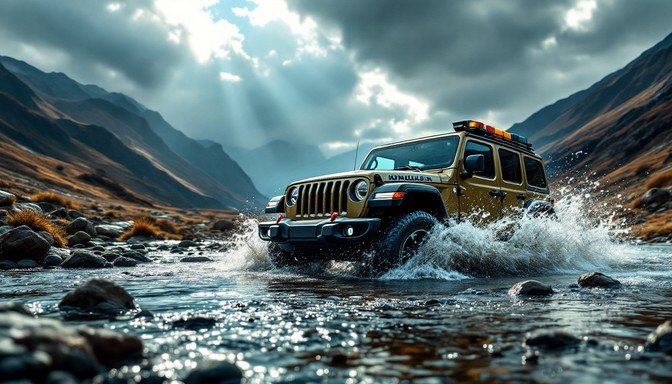
Water crossings are one of the most exciting parts of Jeep Wrangler Mud Sand Snow Rock and Water-Crossing Driving, but they require serious preparation. Water depth, current strength, and hidden obstacles must be checked before entering.
Never assume a shallow-looking crossing is safe. Water can hide holes, damage electrical parts, or move a vehicle if the current is strong.

- ✦ Inspect first
Walk the crossing when possible and identify depth, rocks, and exit points.
- ✦ Maintain steady speed
A controlled pace helps prevent water from creating unnecessary pressure at the front of the vehicle.
- ✦ Check after crossing
Inspect brakes, fluids, and components after deep water exposure.