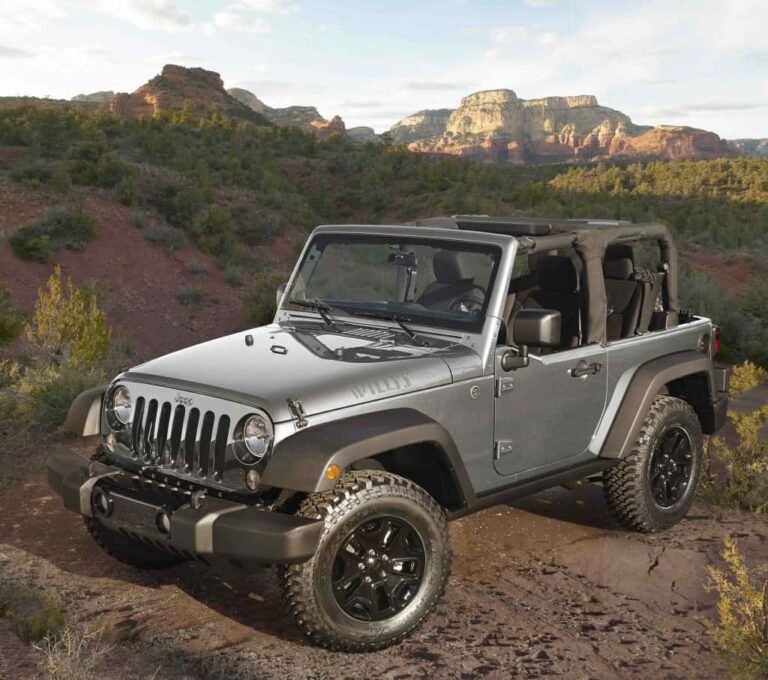
The Jeep Wrangler Suspension System and Major Components Explained guide helps owners understand what keeps their Jeep stable on highways and capable on rough trails. From city roads in the United States to rocky mountain paths, the suspension system plays a key role in how a Wrangler feels and performs.
After working with vehicle systems and off-road setups, one thing becomes clear: a Jeep suspension is not only about comfort. Every part works together to maintain tire contact, absorb impacts, and allow the solid axles to move freely when driving over uneven terrain.
Many Wrangler owners upgrade their suspension for larger tires, better ground clearance, or improved trail control. However, knowing the purpose of each component makes it easier to choose the right parts and avoid unnecessary modifications.

What Is the Jeep Wrangler Suspension System?
The Jeep Wrangler Suspension System and Major Components Explained starts with understanding its basic purpose. The suspension connects the vehicle body to the wheels and helps control movement during driving.
Unlike many SUVs that use independent suspension designs, most Jeep Wrangler models use solid axles. This design gives better durability and strong off-road articulation because the wheels can move together over obstacles.
A well-designed suspension system improves steering control, braking stability, passenger comfort, and traction. It also protects other vehicle parts by reducing harsh impacts.
- ✦ Ride Support
Suspension components support the vehicle weight while keeping the ride controlled on different road surfaces.
- ✦ Wheel Movement
The system allows wheels to travel up and down while maintaining contact with the ground.
- ✦ Off-Road Capability
Flexible suspension movement helps Wrangler models climb rocks, cross mud, and handle uneven trails.
Why Wrangler Uses a Solid Axle Suspension Design
The solid axle setup is one reason Jeep Wrangler models are popular among off-road drivers. It provides strength and allows excellent axle articulation.
The tradeoff is that solid axles can create more body movement compared with some modern SUVs. Jeep engineers balance this with carefully tuned springs, shocks, and suspension geometry.
- ✦ Strength
Solid axles handle heavy loads and demanding terrain better than many lighter suspension designs.
Major Components of the Jeep Wrangler Suspension System
The Jeep Wrangler Suspension System and Major Components Explained requires a closer look at every major part. Each component has a specific job, and failure in one area can affect the entire driving experience.
Understanding these parts helps owners diagnose problems like uneven tire wear, steering vibration, poor handling, or unusual suspension noise.

- ✦ Coil Springs
Coil springs support vehicle weight and absorb energy from bumps while maintaining ride height.
- ✦ Shock Absorbers
Shocks control spring movement and prevent excessive bouncing after impacts.
- ✦ Control Arms
Control arms position the axle and maintain correct suspension movement.
- ✦ Track Bar
The track bar keeps the axle centered under the Jeep during suspension travel.
Coil Springs and Shock Absorbers
Coil springs and shocks work as a team. Springs carry the load, while shocks control how quickly the suspension moves.
A worn shock may cause a Wrangler to bounce, feel unstable during turns, or lose tire contact on rough roads.
- ✦ Spring Upgrade
Lift springs can increase ground clearance and allow larger tires when properly matched with other parts.
Understanding Jeep Wrangler Front Suspension Components
The front suspension of a Jeep Wrangler manages steering input, axle control, and impact absorption. Because the front axle handles steering forces, its components require careful maintenance.
Common front suspension parts include upper and lower control arms, track bar, sway bar links, steering components, springs, and shocks.

- ✦ Front Control Arms
They control axle position and help maintain proper caster angle for stable steering.
- ✦ Front Track Bar
It prevents side-to-side axle movement and keeps steering geometry consistent.
- ✦ Sway Bar Links
They reduce body roll during cornering while allowing controlled suspension movement.
Common Front Suspension Problems
Wrangler owners often report steering shake, loose handling, or unusual noises when suspension parts wear out.
Regular checks of bushings, bolts, and joints can help identify problems before they become expensive repairs.
- ✦ Steering Vibration
Loose suspension joints or incorrect alignment can contribute to vibration issues.
Understanding Jeep Wrangler Rear Suspension Components
The rear suspension system supports vehicle weight and helps maintain traction during acceleration and off-road driving.
Rear components include coil springs, shocks, control arms, sway bar links, and axle mounting parts. These parts must handle both daily driving forces and trail abuse.

- ✦ Rear Control Arms
They maintain axle position and help keep suspension movement controlled.
- ✦ Rear Shocks
They manage suspension movement and improve stability on uneven surfaces.
- ✦ Rear Springs
They support cargo loads and maintain proper ride height.
Rear Suspension Maintenance Tips
Inspect rear suspension parts after heavy off-road use. Mud, water, and impacts can accelerate wear.
Replacing damaged bushings or worn shocks can restore handling and reduce stress on other components.
- ✦ Visual Inspection
Look for cracks, rust, leaking shocks, and damaged mounting points.
Jeep Wrangler Suspension Upgrades and Lift Kits
Many Wrangler owners modify their suspension to improve off-road performance or create space for larger tires. A lift kit is one of the most common upgrades.
The right suspension upgrade depends on driving goals. A Jeep used for daily commuting needs a different setup than one built for extreme trails.
- ✦ Lift Springs
Increase ride height and provide additional clearance for obstacles.
- ✦ Long Arm Kits
Improve suspension geometry on heavily modified Wrangler builds.
- ✦ Performance Shocks
Provide better control during demanding driving conditions.
Choosing the Right Suspension Upgrade
Before buying suspension parts, consider tire size, driving style, budget, and expected terrain.
A balanced setup improves performance without creating unnecessary handling problems on highways.
- ✦ Daily Driver Setup
Focus on comfort, reliability, and moderate improvements.