The Jeep Wrangler Brake System and Electronic Brake Controls are built for both daily driving and off-road use. A Wrangler must handle highways, mud, rocks, steep trails, and heavy loads, so its braking system needs strength and smart control.
From my experience studying Jeep systems, many owners focus on engines and suspension upgrades but forget that brakes are one of the most important safety areas. Good brake maintenance improves confidence behind the wheel and protects other parts of the vehicle.

Understanding the Jeep Wrangler Brake System
The Jeep Wrangler Brake System and Electronic Brake Controls start with basic mechanical parts that create stopping force. When the driver presses the brake pedal, hydraulic pressure moves brake components that slow the wheels.
Modern Wrangler models use advanced systems that work together. The brake system includes discs, pads, calipers, rotors, brake fluid, sensors, and electronic modules.

- ✦ Brake pedal and booster
The pedal sends driver input through the brake booster, which reduces the effort needed to apply the brakes.
- ✦ Hydraulic brake system
Brake fluid transfers pressure through lines to activate the wheel brakes.
Main Brake Components
Brake components must work as one system. A worn pad or damaged rotor can reduce braking quality even when other parts are healthy.
- ✦ Brake pads
Pads create friction against rotors to slow the vehicle.
- ✦ Brake rotors
Rotors provide the surface where brake pads create stopping force.
How Electronic Brake Controls Improve Wrangler Safety
The Jeep Wrangler Brake System and Electronic Brake Controls use computers and sensors to help drivers maintain control. These systems can react faster than a driver during emergency situations.
Electronic controls are especially useful for Wrangler owners who drive in rain, snow, loose dirt, or uneven terrain.

- ✦ Anti-lock Braking System
ABS prevents wheel lock during hard braking and helps the driver maintain steering control.
- ✦ Electronic Stability Control
ESC helps reduce loss of control by adjusting brake force at individual wheels.
- ✦ Traction Control
Traction control manages wheel slip during acceleration on low-grip surfaces.
Brake Control Module
The brake control module receives information from wheel sensors and manages electronic brake functions. A fault in this system can trigger warning lights and reduce safety features.
- ✦ Wheel speed sensors
Sensors measure wheel movement and provide data for ABS and stability systems.
Common Jeep Wrangler Brake Problems and Warning Signs
The Jeep Wrangler Brake System and Electronic Brake Controls can develop problems when parts wear out or sensors fail. Early detection helps prevent expensive repairs.
Drivers should pay attention to changes in pedal feel, unusual sounds, or dashboard warnings.

- ✦ Soft brake pedal
A soft pedal may indicate air in the brake lines, low fluid, or hydraulic problems.
- ✦ Grinding noise
Grinding often means brake pads are worn and may damage rotors.
- ✦ ABS warning light
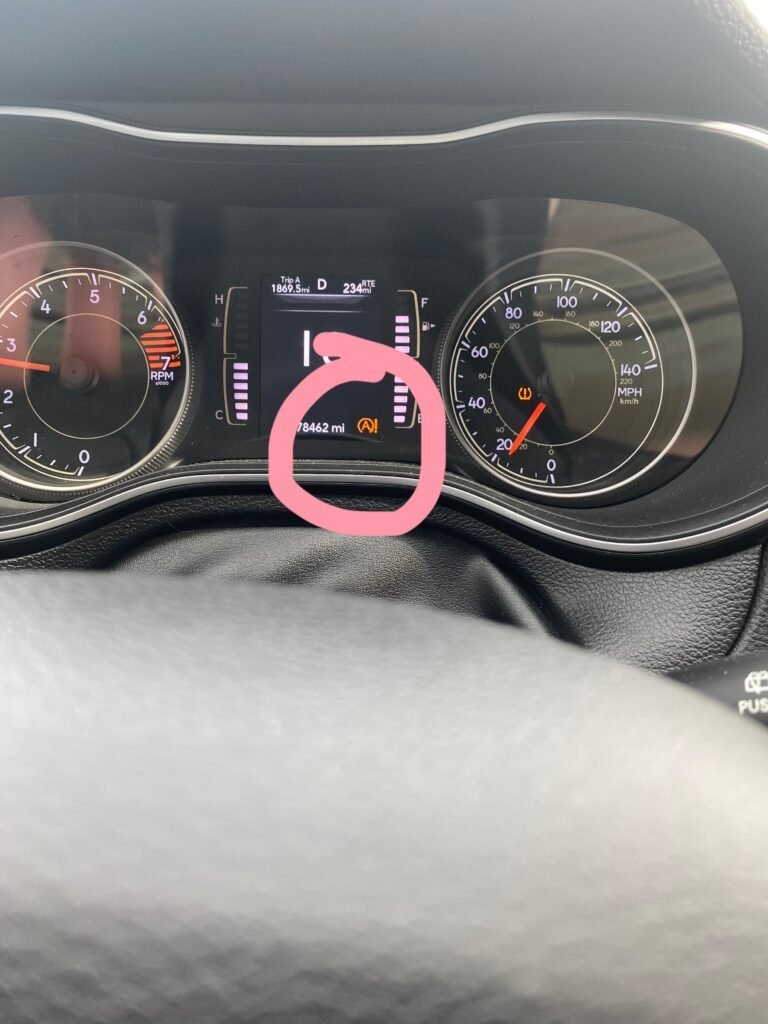
An ABS light may point to sensor, wiring, or control module issues.
Jeep Wrangler Brake Maintenance Tips
Proper maintenance keeps the Jeep Wrangler Brake System and Electronic Brake Controls working correctly. Brake service should be part of every Wrangler owner’s maintenance routine.
Off-road driving can increase brake stress because mud, water, dust, and steep terrain affect brake performance.

- ✦ Inspect brake pads regularly
Check pad thickness and replace worn pads before they damage other components.
- ✦ Change brake fluid when needed
Old brake fluid can absorb moisture and reduce braking performance.
- ✦ Scan electronic systems
Diagnostic tools can identify ABS and electronic brake control problems.
Off-Road Brake Care
Wrangler owners who explore trails should inspect brakes after difficult trips. Cleaning mud and checking components helps avoid hidden problems.
- ✦ Trail inspection
Look for damaged lines, contamination, and unusual wear after off-road use.
Brake Upgrades for Jeep Wrangler Owners
Some Wrangler owners upgrade their braking systems for larger tires, towing, or frequent off-road driving. The correct upgrade depends on vehicle setup and driving needs.
A stronger brake system does not replace proper maintenance. Upgraded parts still require regular inspection.

- ✦ Performance brake pads
High-quality pads may provide improved heat control for demanding driving.
- ✦ Larger rotors
Larger rotors can improve heat management in certain applications.