Jeep Wrangler Wheel Bearings Hubs and Related Components play a major role in how your Jeep handles daily roads and demanding trails. These parts carry vehicle weight, allow wheels to spin freely, and connect important systems like brakes and ABS sensors. A small bearing problem can quickly become a larger safety issue if ignored.
From years of working with 4×4 vehicles, one common lesson is that Jeep owners often notice tire, brake, or steering symptoms before they realize the wheel hub assembly is the cause. Understanding these components helps drivers make better repair decisions and avoid unnecessary part replacements.
Whether you own a Wrangler YJ, TJ, JK, JL, or another model, knowing how Jeep Wrangler Wheel Bearings Hubs and Related Components work can help you maintain reliability on highways, city streets, and off-road trails.

Understanding Jeep Wrangler Wheel Bearings Hubs and Related Components
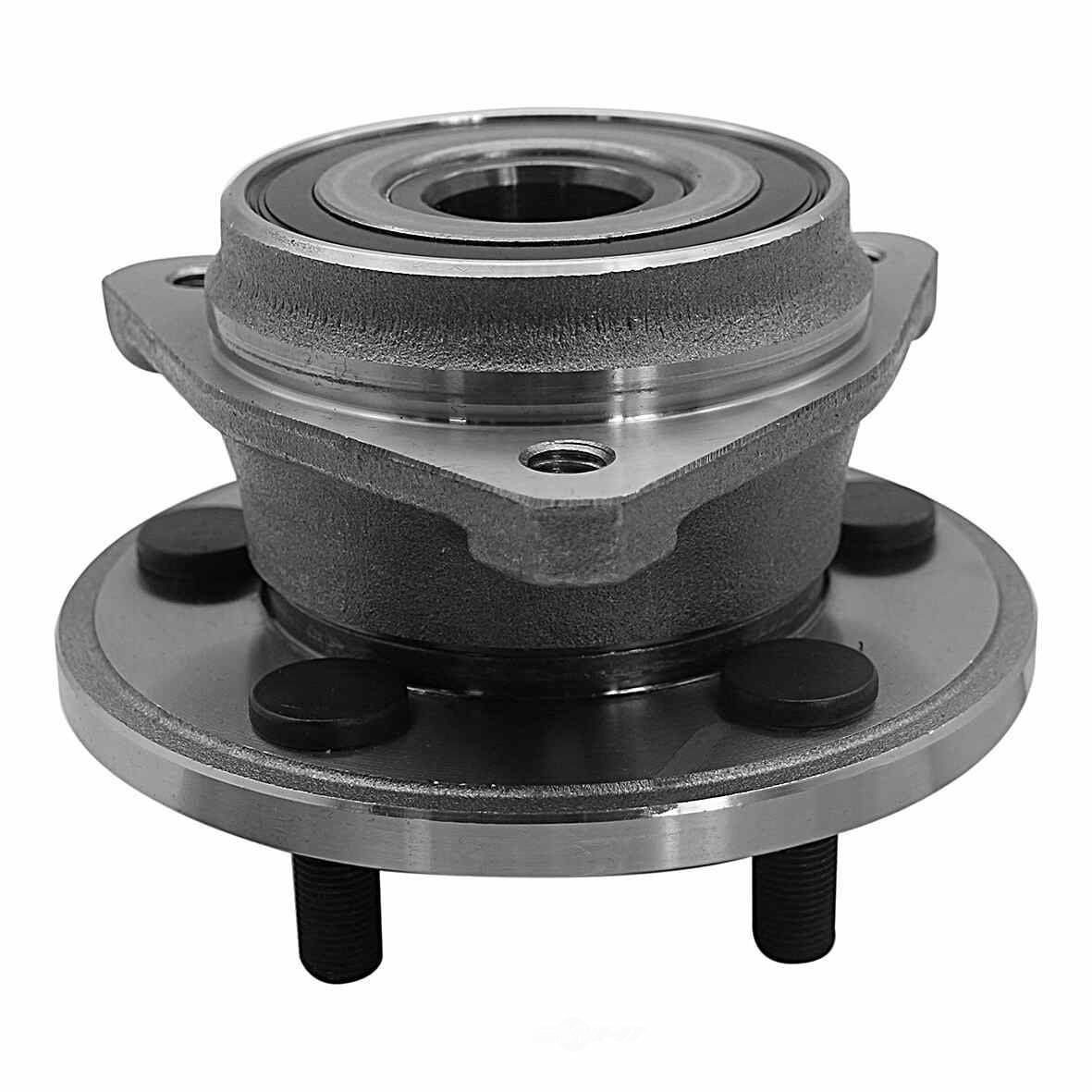
The wheel bearing is a precision part that allows the wheel and hub to rotate with low friction. The hub assembly connects the wheel to the axle and holds important parts such as wheel studs and ABS sensors.
Modern Jeep Wrangler models usually use sealed hub bearing assemblies. These units are designed to handle heavy loads, impacts, and changing road conditions. They are common on newer JK and JL models because they reduce maintenance needs.
Jeep Wrangler Wheel Bearings Hubs and Related Components must work together as one system. A failure in one part can affect braking, steering control, tire wear, and overall driving safety.

- ✦ Wheel Bearing Function
The bearing reduces friction between moving parts and allows the wheel to rotate smoothly.
- ✦ Hub Assembly Function
The hub holds the wheel securely and connects the wheel, brake rotor, and axle system.
Main Parts Included in the Wheel Hub System
A Jeep Wrangler wheel hub system includes several connected components. These include the hub bearing unit, wheel studs, ABS sensor, mounting bolts, axle shaft connection, and brake rotor mounting surface.
- ✦ ABS Sensor
The ABS sensor monitors wheel speed and helps safety systems control braking.
- ✦ Wheel Studs
Wheel studs secure the tire and wheel assembly to the hub.
How Jeep Wrangler Wheel Bearings and Hub Assemblies Work
When you drive your Wrangler, the wheel bearing supports the vehicle load while allowing the wheel to rotate smoothly. The hub transfers power and supports braking forces during acceleration and stopping.
During off-road driving, these components face extra stress from rocks, mud, water crossings, and uneven surfaces. This is why Jeep Wrangler Wheel Bearings Hubs and Related Components require careful inspection after demanding trail use.
A healthy hub assembly keeps the wheel aligned and reduces unwanted movement. A damaged unit may create play between parts, which can affect steering feel and tire performance.

- ✦ Smooth Rotation
Bearings allow the wheel to spin with minimal resistance.
- ✦ Vehicle Support
The hub and bearing assembly carries the weight transferred through the suspension.
Why Jeep Owners Should Understand These Parts
Many Jeep owners modify their vehicles with larger tires and suspension upgrades. These changes can increase stress on wheel bearings and hubs, making regular checks even more important.
- ✦ Larger Tires
Oversized tires can increase load on wheel bearings.
Common Signs of Jeep Wrangler Wheel Bearing Failure
Wheel bearing problems often develop slowly. Paying attention to unusual sounds or handling changes can help catch issues before they damage other parts.
A failing hub bearing may create humming, grinding, or clicking sounds. The noise often changes when you turn because the load shifts from one wheel to another.
Jeep Wrangler Wheel Bearings Hubs and Related Components should be inspected when you notice vibration, steering changes, or uneven tire wear.

- ✦ Humming Noise
A growing humming sound from a wheel area can indicate bearing wear.
- ✦ Wheel Play
Loose movement in the wheel may suggest excessive bearing wear.
- ✦ ABS Warning Light
A damaged hub sensor can trigger ABS system warnings.
Noise and Vibration Symptoms
Drivers may feel vibration through the steering wheel or notice unusual sounds at certain speeds. These symptoms can also come from tires or suspension parts, so proper diagnosis matters.
- ✦ Diagnosis First
Testing prevents replacing good parts while missing the actual problem.
Jeep Wrangler Wheel Bearing Replacement Process
Replacing a Jeep Wrangler wheel bearing depends on the model year and design. Many newer Wranglers use bolt-on hub assemblies, making replacement easier than older serviceable bearing designs.
A proper replacement includes removing the wheel, brake components, axle connections, and hub mounting hardware. The new assembly must be installed with correct torque settings.
Using quality parts matters because Jeep Wrangler Wheel Bearings Hubs and Related Components experience constant stress from vehicle weight and road conditions.

- ✦ Inspection
Check the bearing, hub, ABS wiring, and mounting surfaces before replacement.
- ✦ Correct Torque
Proper bolt torque helps prevent premature failure.
DIY Replacement vs Professional Repair
Experienced Jeep owners with proper tools may replace hub assemblies at home. However, incorrect installation can damage parts or create safety risks.
- ✦ DIY Option
Suitable for owners with mechanical experience and correct equipment.
- ✦ Professional Service
Useful when diagnosis or specialized tools are needed.
Factors That Affect Jeep Wrangler Wheel Hub Lifespan
Several factors influence how long wheel bearings and hubs last. Driving habits, road conditions, tire size, and maintenance routines all play a role.
Wranglers used for off-road adventures may experience faster wear because water, dirt, and impacts can place additional stress on rotating components.
Keeping suspension parts, tires, and alignment in good condition helps reduce unnecessary pressure on Jeep Wrangler Wheel Bearings Hubs and Related Components.
- ✦ Off-Road Use
Mud, rocks, and water can increase wear on wheel components.
- ✦ Tire Upgrades
Heavy aftermarket tires may increase bearing load.
Maintenance Tips for Better Reliability
Regular inspections during tire rotations and brake services can help identify early warning signs.
- ✦ Inspect Regularly
Check for noise, looseness, and visible damage.