You can reset a Jeep tire pressure light by setting all tires to the correct PSI, then driving a few minutes.
If that light is still glowing on your dash, you are not alone. I have seen this happen on Jeeps after a cold snap, a tire rotation, or a small pressure drop that looked harmless at first. In this guide, I will walk you through how to reset jeep tire pressure light the right way, when it should clear on its own, and what to check if it keeps coming back.
How the Jeep tire pressure light works
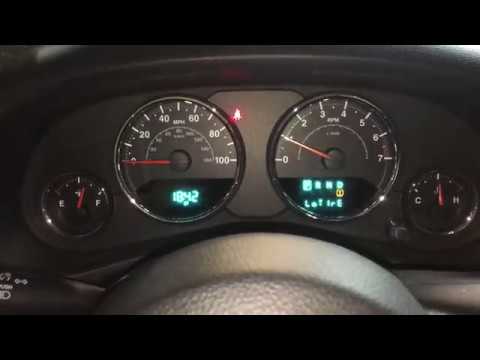
The Jeep tire pressure light is part of the TPMS, or Tire Pressure Monitoring System. It watches air pressure in each tire and warns you when one or more tires drop too low. On many Jeep models, the system is designed to alert you fast, but it is not always instant when you fix the problem.
In real life, that means the light may stay on even after you add air. I have had readers think the sensor was broken, only to find the spare tire was low or one tire was still a few PSI off. The system wants all four tires to be close to the correct pressure before it turns the warning off.
Here is the simple idea behind it:
• If tire pressure is low, the light comes on
• If pressure is corrected, the light may clear after driving
• If the light stays on, the system may need a relearn or a scan tool on some models

Steps to reset jeep tire pressure light
The most common way to reset jeep tire pressure light is not with a button. On many Jeep vehicles, the TPMS resets automatically after the tires are filled to the correct pressure and the vehicle is driven.
Follow these steps:
-
Check the recommended tire pressure
Look on the driver door placard for the factory PSI. Do not guess. Different Jeep models and trim levels can need different pressures. -
Inflate all tires to the correct PSI
Use a reliable tire gauge and air compressor. Check all four tires, and do not forget the spare if your Jeep has a TPMS sensor in it. -
Drive the Jeep for a few minutes
Many Jeep models need 10 to 20 minutes of driving above about 15 mph to relearn tire pressure data. This is often enough for the warning to disappear. -
Turn the ignition off and restart
If the light stays on, shut the vehicle off, restart it, and check again after a short drive. -
Repeat the check if needed
If the light remains on, one tire may still be low, or the TPMS may need additional service.
I always tell people not to rush this step. After fixing the pressure, the light can act like a stubborn smoke alarm that needs a little time to calm down. If one tire is even a little off, the system may keep warning you.
Common reasons the Jeep tire pressure light stays on
Sometimes the answer is simple. Sometimes the light is doing its job because something is still wrong. Knowing the common causes saves time and keeps you from chasing the wrong fix.
The usual reasons include:
• One or more tires are still underinflated
• Air pressure dropped because of cold weather
• A tire was recently rotated or replaced
• The TPMS sensor battery is weak
• The spare tire pressure is low on models that monitor it
• A sensor was damaged during tire service
• The system needs a relearn after maintenance
Cold weather is a big one. Air contracts when temperatures drop, so a Jeep parked outside overnight can wake up with a warning light even if the tires were fine the day before. That is normal physics, not necessarily a broken system.
When you need a TPMS reset procedure
Not every Jeep uses the same reset method. Some newer models relearn automatically, while others may need a TPMS reset procedure after tire service, rotation, or sensor replacement.
You may need extra steps if:
• The battery was disconnected
• You installed new TPMS sensors
• Tires were rotated in a way that changed sensor positions
• The warning light flashes before staying solid
• The light remains on after correct inflation and driving
If the TPMS light flashes for about a minute and then stays on, that often points to a system fault, not just low pressure. In my experience, that is the moment to stop guessing and check for a sensor or communication issue.
Jeep models and reset behavior
Jeep reset behavior can vary by model year and trim. For example, many newer Jeep Wrangler, Cherokee, Grand Cherokee, and Compass models will clear the light after proper inflation and a short drive. Older vehicles may be less forgiving and may need a scanner or dealer-level reset.
A good rule is this:
• Newer Jeep models often auto-reset
• Older Jeep models may need a manual relearn or service tool
• Modified Jeeps with larger tires may need more careful pressure tuning
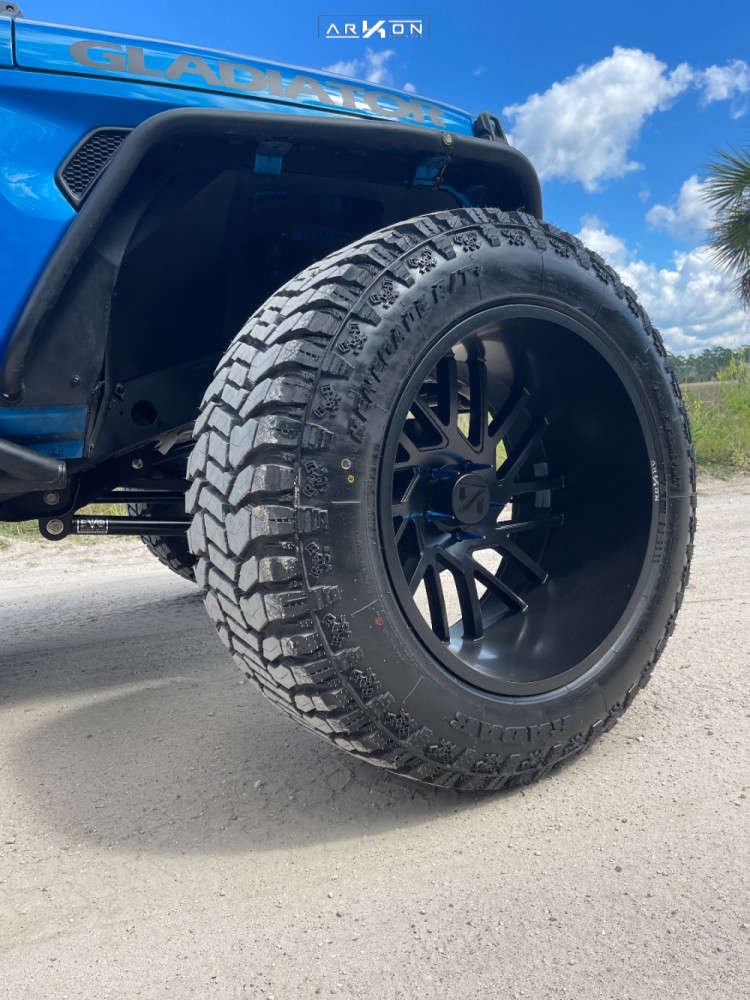
If you run oversized tires, the factory PSI on the door sticker may not always feel perfect for your setup. That does not mean the system is wrong. It means the vehicle was designed around stock tire size and load behavior.

Best way to avoid the tire pressure light coming back
The best fix is prevention. A tire pressure warning is much easier to manage when you treat it like routine maintenance instead of a surprise.
Good habits include:
• Check tire pressure once a month
• Check pressure before long road trips
• Check tires when the seasons change
• Inspect for nails, cuts, or slow leaks
• Keep a quality gauge in the glove box
• Do not rely on the dashboard alone
I learned this the hard way years ago when a slow leak kept triggering the same warning light every few weeks. The tire looked fine by eye, but a nail near the tread was letting air out slowly. The dashboard was not being dramatic. It was being useful.
What not to do when resetting the light
It is easy to make the problem worse by jumping to the wrong fix. A few common mistakes can waste time and hide real issues.
Avoid these mistakes:
• Ignoring the recommended PSI on the door label
• Overfilling the tires to “force” the light off
• Resetting before checking all tires
• Forgetting the spare tire on supported Jeep models
• Replacing sensors before checking for a simple leak
• Assuming cold weather means the light can be ignored
Overinflating is especially risky. It may make the light go away for a moment, but it can reduce ride comfort and tire grip. It can also create uneven wear, which costs more in the long run.
When to get professional help
If you have already checked the pressure, driven the Jeep, and the light still will not reset, it may be time for a mechanic or tire shop. A technician can scan the TPMS for fault codes and find problems a standard gauge cannot see.
Get help if:
• The light flashes instead of staying solid
• A sensor will not communicate
• The same tire keeps losing air
• You recently had tire service and the light never cleared
• You suspect a valve stem or sensor problem
A professional scan can save time, especially on newer Jeep systems. It is like having a map instead of wandering around in the dark.
Frequently Asked Questions of how to reset jeep tire pressure light
How do I reset jeep tire pressure light without a reset button?
Most Jeep models do not have a dedicated reset button. Fill the tires to the correct PSI, then drive for 10 to 20 minutes so the system can relearn.
Why is my Jeep tire pressure light still on after filling the tires?
The light may stay on if one tire is still low, the spare is low, or the system has not had enough time to update. A sensor issue or leak can also keep the light on.
How long does it take for the Jeep TPMS light to reset?
In many cases, it takes a short drive of about 10 to 20 minutes. Some models need a little more time, especially after tire rotation or sensor work.
Can cold weather turn on the Jeep tire pressure light?
Yes, cold weather can drop tire pressure and trigger the warning light. This is common in the winter and often goes away after you inflate the tires to the correct PSI.
What if the TPMS light flashes on my Jeep?
A flashing TPMS light usually means there is a system fault, not just low air pressure. In that case, the sensor or TPMS module may need diagnosis.
Conclusion
Resetting the Jeep tire pressure light is usually simple once you know what the system wants. Check the correct PSI, inflate every tire properly, drive the vehicle, and give the TPMS time to relearn. If the light still stays on, look for a leak, a sensor issue, or a system fault before assuming the dashboard is lying.
The key is to treat the warning as a helpful signal, not a nuisance. A few minutes of checking now can save you from uneven tire wear, bad handling, or a flat later. If this guide helped, bookmark it, share it with another Jeep owner, or leave a comment with your model and what worked for you.