Changing Jeep Wrangler oil means draining the old oil, replacing the filter, and refilling with the right spec and amount.
If you own a Jeep Wrangler, learning how to change Jeep Wrangler oil is one of the best maintenance skills you can have. It saves money, helps your engine run cooler, and gives you a better feel for your vehicle’s health. I’ve found that a clean oil change on a Wrangler is a simple job when you follow the right steps, but it’s also one of those tasks where small details matter a lot.
What you need before you change Jeep Wrangler oil
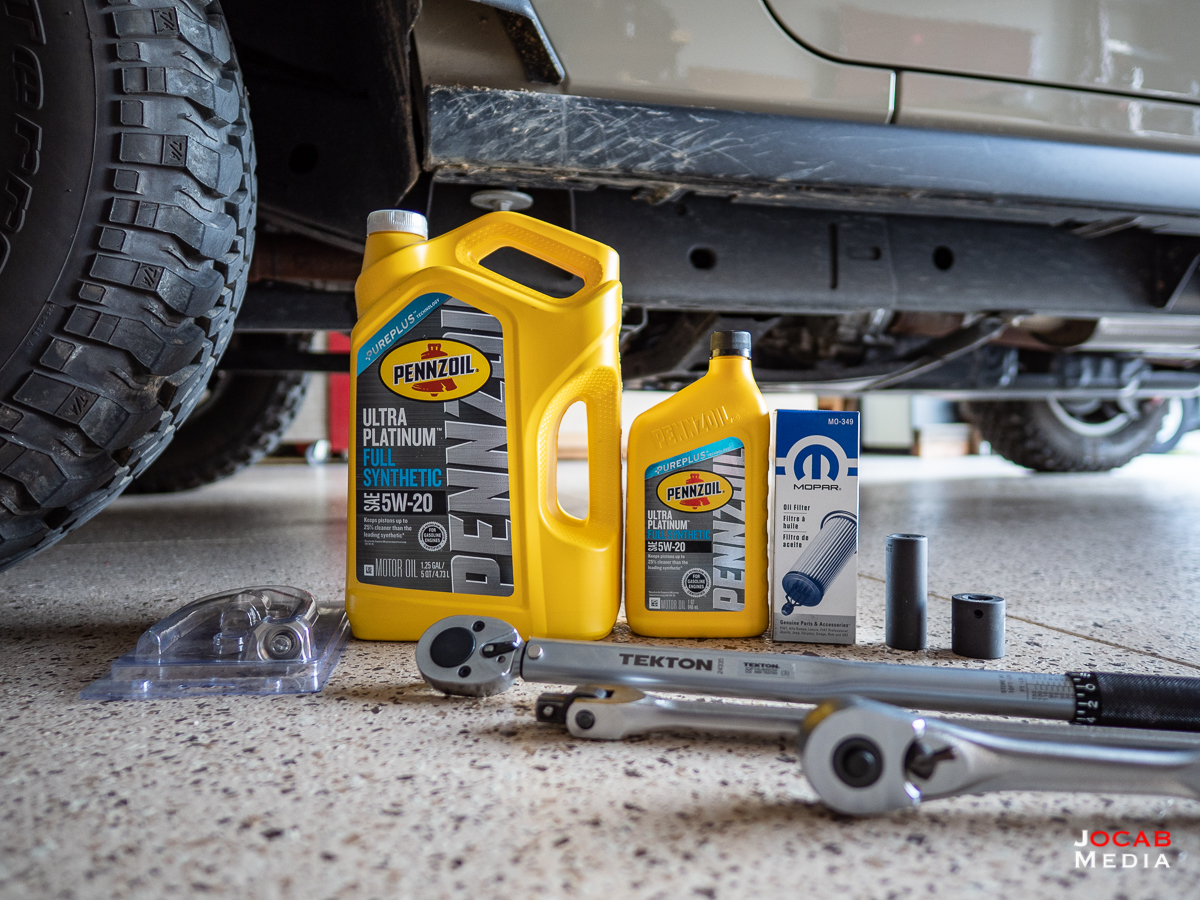
Before you start, gather everything in one place. That makes the job smoother and keeps you from scrambling with an open drain pan and a loose filter in your hand.
You’ll usually need:
• The correct engine oil for your Wrangler
• A new oil filter
• A drain pan
• A socket wrench or ratchet
• An oil filter wrench, if needed
• A funnel
• Gloves and shop towels
• A jack and jack stands, if your Wrangler sits too low for easy access
For many Wrangler models, the oil type and capacity depend on the engine. A 2.0L turbo, 3.6L Pentastar V6, 2.0L EcoDiesel, and 392 V8 all have different needs. Always check your owner’s manual for the exact oil grade, viscosity, and capacity before you change Jeep Wrangler oil.
From experience, this is where many DIY jobs go wrong. People buy the oil first, then discover they got the wrong viscosity or too little of it. A five-minute check before you begin can save a frustrating second trip to the parts store.
How to change Jeep Wrangler oil step by step
The process is straightforward, but take your time. Think of it like changing the oil in a heavy-duty backpack before a long hike: if you do it cleanly and carefully, everything runs better later.
Follow these steps:
-
Warm up the engine for a few minutes
Let the engine run briefly so the oil flows more easily. Do not make it hot enough to burn yourself. -
Park on level ground
Shut off the engine, set the parking brake, and place wheel chocks if needed. Level ground helps the oil drain more completely and gives you a more accurate refill. -
Raise the vehicle if necessary
Some Wrangler trims sit high enough for easy access, but others may still benefit from a jack and jack stands. Never rely on a jack alone. -
Remove the oil filler cap
This helps the oil drain faster by letting air in through the top of the engine. -
Place the drain pan under the oil pan
Position it directly under the drain plug before loosening anything. -
Remove the drain plug
Use the correct socket and let the old oil drain fully. Be ready for the first rush, since it can come out quickly. -
Replace the drain plug
Once dripping slows to a few drops, reinstall the plug and tighten it to the proper torque. Over-tightening can damage the threads or the pan. -
Remove the old oil filter
Put the drain pan under the filter area, then twist off the filter. On many Wranglers, the oil filter is easy to access from above or below, depending on the engine. -
Prep the new oil filter
Lightly coat the rubber gasket with fresh oil. This helps the seal seat properly and makes future removal easier. -
Install the new oil filter
Spin it on by hand until the gasket touches, then tighten according to the filter instructions. Do not crank it down too hard. -
Add fresh oil
Pour in about 80 to 90 percent of the total capacity first, then check the dipstick. Add the rest in small amounts until the level reaches the full mark. -
Start the engine and check for leaks
Let it run for about a minute, then shut it off and inspect the drain plug and filter area. -
Recheck the oil level
After the oil settles for a few minutes, use the dipstick again and top off if needed.
A mistake I see a lot is people filling the oil to the maximum line without checking after the engine runs. That can lead to overfill, which is not good for seals or performance. Slow and steady wins here.

Choosing the right oil for a Jeep Wrangler
Not every oil works the same way, and Jeep engines are happiest when you use the spec the manufacturer intended. The owner’s manual is the final word, but many Wrangler owners rely on full synthetic oil for better protection and longer service life.
Common choices include:
• 5W 20 for some 3.6L applications
• 0W 20 or other manufacturer-approved grades for newer turbo engines
• Diesel-specific oil for EcoDiesel models
• High-quality full synthetic oil for severe driving conditions
If you drive in extreme heat, do lots of short trips, tow, or off-road often, synthetic oil is usually the safer choice. It resists breakdown better than conventional oil and can help with engine cleanliness.
One thing I’ve learned over time is that “right oil” does not just mean viscosity. It also means meeting the proper performance standards listed in the manual, such as API or ACEA approvals when required. Those details matter more than a flashy bottle label.

How often to change Jeep Wrangler oil
Oil change intervals depend on the engine, oil type, and driving habits. Many modern Wranglers can go longer between changes than older vehicles, but that does not mean you should stretch service too far.
A good rule of thumb:
• Follow the owner’s manual first
• Change oil sooner if you tow, off-road, idle often, or drive in dust
• Check the oil level regularly between changes
• Do not ignore the oil life monitor if your model has one
For severe use, short oil change intervals can be smart. Off-road driving can expose the engine to dust, mud, heat, and longer idle times, all of which put extra stress on oil. Even if the oil still looks decent, its protective qualities may be fading.
The safest approach is to treat the manual like your baseline and your driving style like the real-world adjustment. That balance keeps the engine protected without wasting service life.

Common mistakes to avoid when you change Jeep Wrangler oil
A simple oil change can go sideways if you rush. Most mistakes are small, but they can lead to leaks, low oil pressure, or a mess on the driveway.
Watch out for these issues:
• Using the wrong oil grade or capacity
• Forgetting to replace the filter
• Cross-threading the drain plug
• Over-tightening the filter
• Failing to check for leaks after startup
• Leaving the old gasket stuck to the engine
• Not disposing of used oil properly
One of the most common problems is the old filter gasket sticking to the engine. If that happens and you install the new filter on top of it, oil can leak fast. I’ve seen that mistake turn a simple service into a very expensive cleanup.
Used oil should always go to a recycling center, auto parts store, or local collection site. It protects the environment and keeps you on the right side of local rules.

Benefits of doing your own oil change
When you change Jeep Wrangler oil yourself, you get more than just fresh lubricant. You also get a better connection to your vehicle and a chance to spot problems early.
Here are the biggest benefits:
• Lower maintenance cost
• Better knowledge of your Jeep’s condition
• Faster spotting of leaks or worn parts
• More control over oil quality and filter choice
• Satisfaction from doing the job yourself
I like that DIY oil changes also make you more observant. You start noticing small things like a seep at the drain plug, a worn skid plate, or a filter that was installed too tightly last time. That kind of awareness can prevent bigger repair bills later.
The main limitation is access. Some Wrangler setups, especially with skid plates or aftermarket lifts, can make the job a little more awkward. Still, for most owners, it is a very manageable service.

Frequently Asked Questions of how to change jeep wrangler oil
How much oil does a Jeep Wrangler take?
It depends on the engine and model year. Some 3.6L Wrangler engines take around 5.5 to 6 quarts with a filter, while other engines may need more or less, so always confirm with the manual.
What kind of oil filter should I use?
Use a filter that matches your engine and meets OEM specifications. A quality filter from a trusted brand is worth it because it helps trap contaminants and maintain oil flow.
Can I change Jeep Wrangler oil without a lift?
Yes, many Wrangler owners can do it without a lift because of the vehicle’s ground clearance. A flat driveway, a jack, and properly rated jack stands are often enough for safe access.
How do I know if I overfilled the oil?
Check the dipstick after the engine has run and the oil has settled. If the level is above the full mark, drain a small amount until it sits in the proper range.
What happens if I use the wrong oil?
Using the wrong oil can affect lubrication, fuel economy, engine noise, and long-term wear. In some cases, it may also affect warranty coverage, so it is best to stick with the approved grade and specification.
Should I reset the oil life monitor after service?
Yes, if your Wrangler has an oil life monitor, reset it after the oil change. That helps track the next service interval correctly and avoids confusion later.
Conclusion
Knowing how to change Jeep Wrangler oil gives you a practical skill that saves money and helps protect the engine you rely on every day. The key is simple: use the right oil, replace the filter, tighten everything correctly, and verify the level after startup. When you slow down and do it right, the job becomes easy and the results are worth it.
If you’re ready, gather your tools and give it a try on your next maintenance day. Keep learning about your Wrangler, stay consistent with service, and your Jeep will return the favor with stronger, smoother performance.