The Jeep Cherokee XJ Complete Mechanical and 4WD System Guide explains the core systems that made the XJ one of the most respected compact 4×4 vehicles in America. Built from 1984 to 2001, the XJ combined a lightweight unibody frame with strong mechanical components that could handle daily driving, towing, and serious trails.
From years of working with older Jeep platforms, one lesson stands out: the XJ rewards owners who understand its basic systems. The engine, transmission, transfer case, axles, and suspension work together as one package. Proper maintenance often matters more than expensive upgrades.
This Jeep Cherokee XJ Complete Mechanical and 4WD System Guide covers the important mechanical parts, common issues, and practical ownership tips for Jeep enthusiasts across the United States.

Jeep Cherokee XJ Mechanical Design Overview
The Jeep Cherokee XJ Complete Mechanical and 4WD System Guide starts with the basic design philosophy of the XJ. Jeep created the Cherokee XJ as a smaller alternative to traditional body-on-frame SUVs. Its unibody construction reduced weight while keeping good strength for off-road use.
The XJ platform became popular because it offered simple mechanical parts. Many repairs can be completed with common tools, which is one reason owners continue restoring and modifying these vehicles today.
- ✦ Unibody Construction
The XJ uses an integrated body and frame structure that improves weight balance and provides a strong platform for trail use.
- ✦ Simple Mechanical Layout
Straightforward engines, transmissions, and axles make diagnosis and repairs easier compared with many modern SUVs.
- ✦ Long Production Run
The 1984 to 2001 production period created a large aftermarket community and wide parts availability.
Why the XJ Remains Popular
The Cherokee XJ remains popular because it offers a rare balance of size, capability, and simplicity. It fits narrow trails but still works as a practical daily vehicle.
Many owners value the ability to repair their Jeep without complex electronics. This makes the XJ attractive for weekend adventurers and long-term Jeep builders.
Jeep Cherokee XJ Engine Systems and Performance
The engine is one of the most important parts covered in the Jeep Cherokee XJ Complete Mechanical and 4WD System Guide. The most famous engine option is the 4.0-liter inline-six, known for strong low-end torque and long service life.
The 4.0L engine uses a simple design with a cast iron block and head. When maintained with regular oil changes and cooling system care, many examples continue operating for hundreds of thousands of miles.
- ✦ 4.0L Inline-Six Engine
The AMC-designed 4.0L inline-six delivers strong torque for climbing, towing, and everyday driving.
- ✦ 2.5L Four-Cylinder Engine
The smaller engine option provides better simplicity and fuel economy but has less power for heavy loads.
- ✦ Cooling System Care
Radiators, water pumps, thermostats, and cooling hoses need regular inspection because overheating can damage older engines.
Common XJ Engine Problems
Common issues include oil leaks, worn sensors, cooling failures, and vacuum leaks. These problems are usually manageable when detected early.
A careful inspection of engine temperature, oil pressure, and maintenance history is important before buying a used Cherokee XJ.
- ✦ Oil Leaks
Valve cover and rear main seal leaks are common on high-mileage engines.
Jeep Cherokee XJ Transmission and Drivetrain System
The drivetrain is a major focus of the Jeep Cherokee XJ Complete Mechanical and 4WD System Guide because the transmission and transfer case determine how power reaches the wheels.
The XJ came with both manual and automatic transmission options. The popular AW4 automatic transmission is respected for durability when serviced correctly.
- ✦ AW4 Automatic Transmission
The AW4 four-speed automatic is known for reliability and smooth operation.
- ✦ Manual Transmission Options
Manual versions provide driver control and appeal to enthusiasts who prefer a traditional Jeep experience.
- ✦ Driveshaft Maintenance
U-joints, slip yokes, and driveshaft angles should be checked after suspension modifications.
Transmission Maintenance Tips
Changing fluids at proper intervals helps protect transmission components. Old fluid can increase wear and heat problems.
Owners who install larger tires should consider drivetrain stress because added weight can affect transmission and axle performance.
Jeep Cherokee XJ 4WD System and Transfer Cases
The 4WD system is the heart of the Jeep Cherokee XJ Complete Mechanical and 4WD System Guide. Jeep offered several transfer cases, with the NP231 Command-Trac being one of the most common choices.
The transfer case controls power distribution between the front and rear axles. Understanding its operation helps owners avoid drivetrain damage and improve trail performance.
- ✦ NP231 Transfer Case
The NP231 provides part-time four-wheel drive with strong aftermarket support.
- ✦ 4HI Mode
Four-high is designed for slippery surfaces such as snow, mud, and loose dirt.
- ✦ 4LO Mode
Four-low increases torque at low speeds for steep climbs and technical trails.
Maintaining the XJ 4WD System
Transfer case fluid should be inspected regularly. Leaks, unusual noises, or difficulty shifting modes may indicate service needs.
Front axle engagement parts also require attention because worn components can prevent proper four-wheel-drive operation.
Jeep Cherokee XJ Axles, Suspension, and Steering Components
A complete Jeep Cherokee XJ Complete Mechanical and 4WD System Guide must include the axles and suspension because they control strength, handling, and off-road ability.
Most XJs use the Dana 30 front axle and Dana 35 or Chrysler 8.25 rear axle depending on year and configuration. These axles work well for moderate builds when maintained properly.
- ✦ Dana 30 Front Axle
The Dana 30 is lightweight but capable for many trail applications.
- ✦ Rear Axle Options
The Chrysler 8.25 rear axle is often preferred over the Dana 35 for stronger builds.
- ✦ Suspension Inspection
Ball joints, control arms, shocks, and bushings affect ride quality and safety.
Steering and Handling Issues
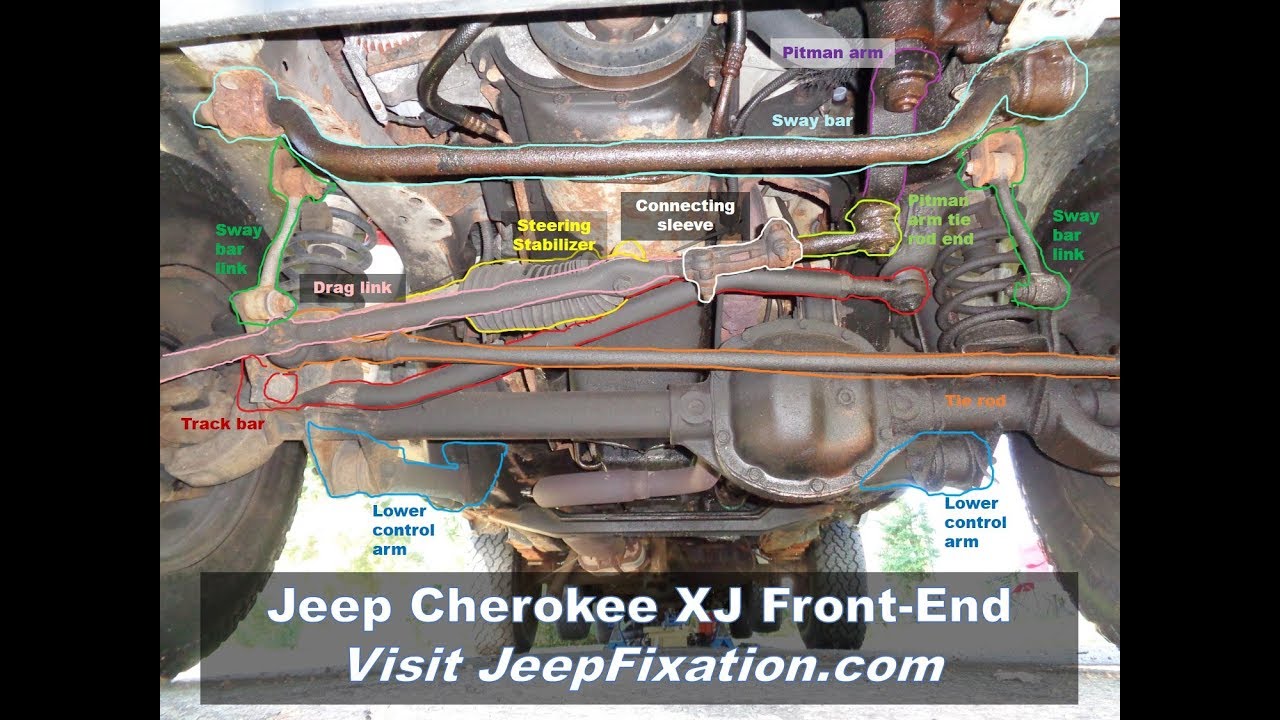
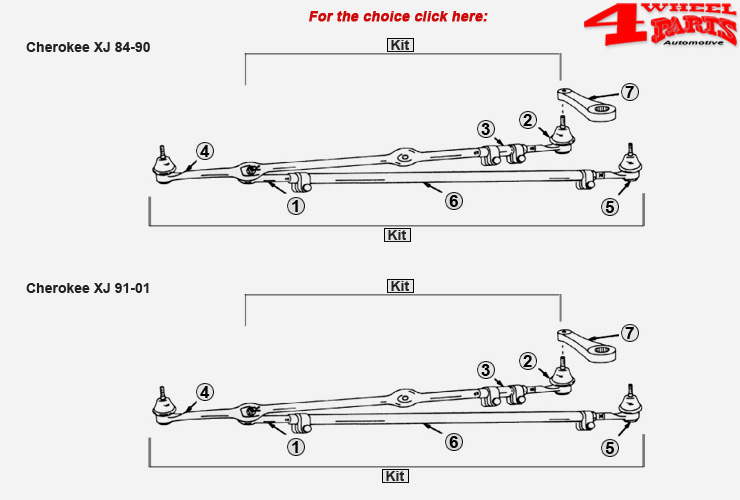
Older XJs may develop loose steering from worn track bars, tie rods, and steering components. These parts should be checked before installing larger tires.
Proper alignment and quality suspension parts help maintain control on highways and trails.
Jeep Cherokee XJ Maintenance Schedule and Reliability Tips
The Jeep Cherokee XJ Complete Mechanical and 4WD System Guide shows that reliability depends heavily on preventive maintenance. Age affects seals, rubber parts, electrical connectors, and cooling components.
A maintenance plan helps prevent expensive repairs and keeps the Cherokee ready for both commuting and outdoor adventures.

- ✦ Fluid Checks
Inspect engine oil, transmission fluid, transfer case fluid, and axle fluids regularly.
- ✦ Cooling System Service
Replace aging hoses and inspect cooling components before overheating occurs.
- ✦ Rust Inspection
Check floor areas, frame sections, and mounting points for corrosion.
Best Practices for Long-Term Ownership
Keeping service records is one of the easiest ways to protect an older Jeep. Records help identify patterns and future needs.
Quality replacement parts usually provide better results than the cheapest options, especially for drivetrain and suspension components.