Inspect frame rails, mounts, and crossmembers visually and probe with a screwdriver for rust.
I’ve spent years restoring and maintaining Jeeps, so I know how to inspect jeep frame for rust in a clear, practical way. This guide walks you through why rust matters, what tools to use, step-by-step inspection methods, severity signs, repair options, and prevention tips so you can make safe, informed choices.

Why inspecting your Jeep frame matters
Rust can hide and grow until it weakens the frame. A rusted frame can change how the Jeep handles. It can make mounts fail and lead to costly repairs or unsafe driving.
A regular check saves money and keeps you safer. Learning how to inspect jeep frame for rust helps you spot problems early. You will learn to separate surface rust from structural damage.

When to inspect: timing and triggers
Inspect your Jeep frame at least twice a year. Check more often if you drive in salty, wet, or off-road conditions.
Inspect after long winter months or after heavy off-road use. Also inspect before buying a used Jeep. Early checks catch issues before repairs get expensive.

Tools and materials you need
You don’t need fancy gear to learn how to inspect jeep frame for rust. Gather a basic set:
- Bright flashlight to see inside cavities and dark spots
- Small mirror for tight angles
- Screwdriver or awl to probe suspect areas
- Wire brush to remove loose rust flakes
- Sandpaper or wire wheel for closer checks
- Digital camera or phone to document findings
- Measuring tape or calipers to check metal thickness
- Safety gear: gloves, eye protection, and a dust mask
Start simple. Most inspections are visual and tactile. Use tools only to confirm what you can already see.

Step-by-step: how to inspect jeep frame for rust
Follow these steps in order. Move slowly and be methodical.
-
Prepare the Jeep
- Park on level ground and set the parking brake.
- Raise the Jeep with ramps or jack stands to access the underside. Never rely only on a jack.
-
Do an overall visual sweep
- Walk around and look for flaking paint, reddish-brown streaks, and bubbled undercoating.
- Check the frame rails, crossmembers, body mounts, and suspension mounting points.
-
Inspect common trouble spots closely
- Probe seams, welded joints, and holes with a screwdriver.
- Look inside boxed frame sections with a flashlight and mirror.
- Check spring hangers, shock mounts, and control arm brackets for deformation.
-
Use tactile tests to find hidden damage
- Tap areas with a screwdriver handle to listen for dull thuds that suggest thinning.
- Try to poke the metal gently. If it yields or crumbles, the corrosion is structural.
-
Document and measure
- Photograph damage from multiple angles.
- Measure wall thickness if you suspect pitting near mounts or welds.
-
Decide next steps
- Surface rust can often be treated with sanding and repainting.
- Deep pitting, holes, or separation at welded joints means you need professional repair or replacement.
Repeat the inspection after any repair. Proper records make future checks easier.
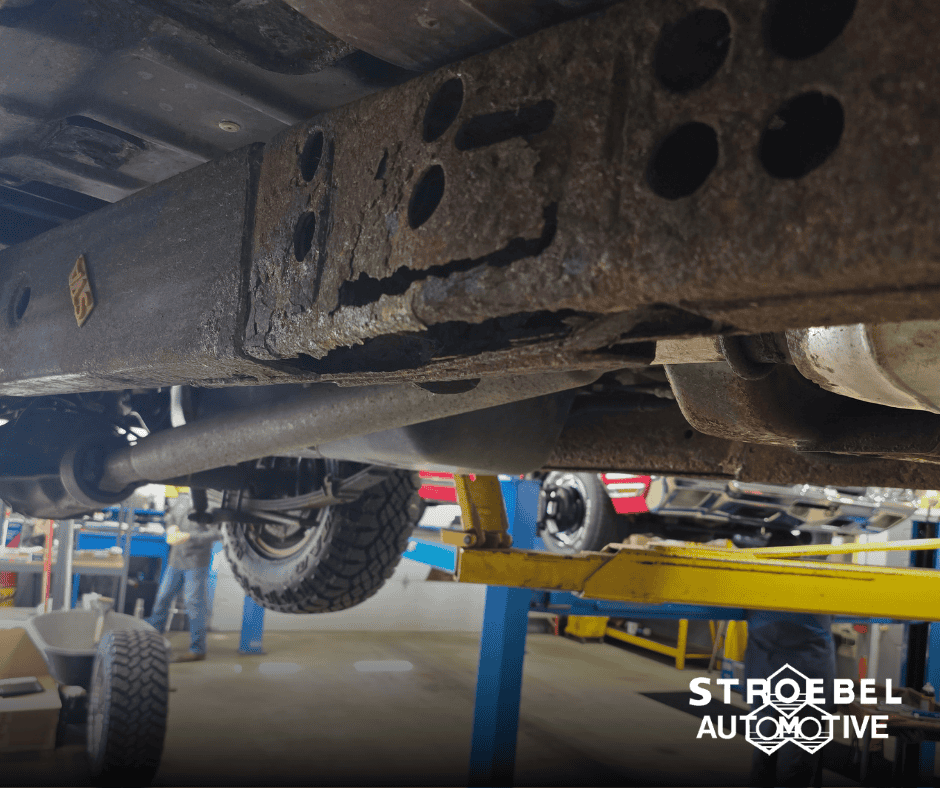
What rust looks like and how severe it is
Understand stages so you can assess risk.
-
Surface rust
- Light, flaky rust on paint or metal.
- Easy to remove with a wire brush and treat.
-
Scale and blisters
- Rust under paint causing bubbling and flaking.
- Needs grinding back to sound metal.
-
Pitting and thinning
- Metal starts losing thickness in spots.
- Structural strength is reduced near mounts and crossmembers.
-
Structural failure
- Holes, cracks, or separation at welds.
- Unsafe; requires immediate repair by a professional.
When you learn how to inspect jeep frame for rust, recognize these stages quickly. Don’t let pitting progress to failure.

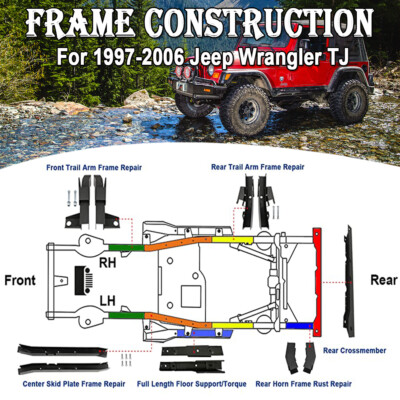
Common trouble spots on Jeep frames
Some places corrode faster. Focus your inspection here.
- Frame rails near body mounts
- Crossmembers under the transmission and transfer case
- Spring hangers and leaf spring pockets
- Shock and control arm mounts
- Bolt holes and fastener areas where water collects
- Inner boxed sections where moisture can get trapped
I once missed a small hole near a rear body mount. It grew over two seasons. Now I always probe body-mount areas first.

Quick checks and PAA-style answers
Q: Can I inspect the frame without lifting the Jeep?
A: You can do a basic visual check from the ground, but lifting the Jeep is needed for a full inspection.
Q: Is surface rust a deal breaker?
A: No. Surface rust is common and fixable. The issue is when rust causes pitting or holes.
These short checks help when you want a fast idea before a deeper inspection.
How to evaluate whether to repair or replace
Use simple criteria to make a decision.
-
Repair if
- Rust is limited to surface scale or small pitting.
- No holes exist near high-stress mounts.
- Welding patches can restore strength.
-
Replace or professional restore if
- There are holes through the frame or severe thinning near mounts.
- Major welds have failed or cracks exist in structural members.
- Corrosion compromises suspension geometry.
Costs vary. Small repairs can be under a few hundred dollars. Major frame work or replacement can run thousands. Get a professional estimate for anything beyond light rust treatment.
Rust repair methods and expected outcomes
Choose the right method for the problem.
-
Cleaning and repainting
- Best for surface rust. Wire-brush, sand, prime, and paint.
- Good short-term protection.
-
Rust converters and primers
- Convert rust to a stable base before painting.
- Useful for hard-to-reach spots, but measure effectiveness.
-
Weld-in patches or reinforcement plates
- Required for holes and severe pitting.
- Should be done by a qualified welder.
-
Sandblasting and full-frame coating
- Removes all rust and allows full inspection.
- Best for restorations and long-term protection.
I prefer sandblasting for full restorations. It shows the real condition of every frame member.
Preventive maintenance to stop rust returning
Preventing rust is cheaper than fixing it.
- Keep the frame clean. Wash after salty or muddy trips.
- Keep drains and holes clear so water doesn’t pool.
- Touch up paint and undercoating where it chips.
- Use corrosion-inhibiting sprays inside boxed sections when possible.
- Store the vehicle in a dry place or use a breathable cover.
A little effort after each winter or wet season reduces future problems.
DIY vs professional inspection and repair
DIY is fine for checks and light treatments. You can learn how to inspect jeep frame for rust and do basic repairs safely.
Hire a pro if
- You find holes, cracked welds, or major structural issues.
- You lack welding or frame-straightening tools.
- The frame affects safety systems like steering or suspension.
I do my own inspections and small repairs. For major fixes I consult a trusted frame shop.
Safety, legal, and resale considerations
A damaged frame affects safety and value. Don’t drive a Jeep with a compromised frame.
- Structural failure can lead to accidents.
- Some states have vehicle inspections that fail cars for frame issues.
- Full disclosure is required when selling; hidden rust can lead to liability.
When in doubt, get a certified inspection to protect yourself and others.
Frequently Asked Questions of how to inspect jeep frame for rust
How often should I inspect my Jeep frame for rust?
Inspect at least twice a year and after seasons with heavy salt or mud exposure. Increase frequency if you off-road often.
Can I fix frame rust myself?
You can fix surface rust and small patches yourself with proper tools and safety. Major rust, holes, or failed welds should be handled by a professional.
How do I tell surface rust from structural rust?
Surface rust flakes and discolors paint. Structural rust causes pitting, holes, and soft or crumbling metal when probed. Use a screwdriver to probe suspect areas.
What tools show hidden rust best?
A bright flashlight, an inspection mirror, and a probe like a screwdriver are most useful. Sanding or wire-brushing reveals deeper damage.
Will rust spread after I treat it?
If you remove rust properly and protect the metal, it should not spread quickly. Moisture and salt still cause new rust, so regular maintenance matters.
Is it safe to drive with some frame rust?
Minor surface rust is usually safe short-term. Driving with structural rust, holes, or cracked welds is unsafe and should be repaired before regular use.
Conclusion
Inspecting your Jeep frame for rust keeps you safe and your vehicle reliable. Learn how to inspect jeep frame for rust with simple tools, a systematic approach, and regular checks. Act early on pitting or holes, and balance DIY fixes with professional help when structure is affected.
Take action today: schedule a thorough frame check, document issues, and plan repairs. Share your inspection results or ask questions below to get feedback from experienced Jeep owners and mechanics.