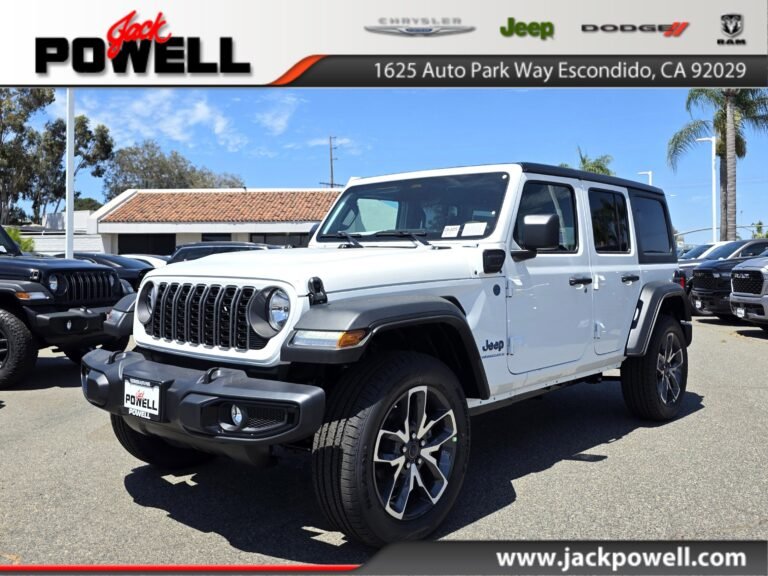
The Jeep Ground Clearance Approach Angle Departure Angle and Breakover Angle guide explains the key measurements that separate a capable off-road vehicle from a regular SUV. These numbers help drivers understand whether a Jeep can clear steep ramps, climb over rocks, and avoid damage on uneven trails.
From my experience studying Jeep builds and off-road setups, many owners focus only on lift kits and tires. However, vehicle geometry matters just as much. A well-balanced Jeep can perform better than a heavily modified vehicle with poor angles.

What Jeep Ground Clearance Means and Why It Matters
Jeep ground clearance is the distance between the lowest part of the vehicle and the ground. It helps determine whether the Jeep can pass over rocks, deep ruts, and uneven surfaces without scraping important parts.
The Jeep Ground Clearance Approach Angle Departure Angle and Breakover Angle work together. A Jeep may have high clearance but still struggle if its front or rear angles are limited.
- ✦ Higher obstacle protection
More clearance reduces the chance of damaging the skid plates, axles, and underbody parts.
- ✦ Better trail confidence
Drivers can handle rough terrain with less worry about bottoming out.
Factory Clearance vs Modified Clearance
Factory Jeeps are designed for a balance of comfort, safety, and capability. Many owners increase clearance with larger tires and suspension upgrades for more demanding trails.
- ✦ Lift kits
A lift can raise the body and improve obstacle clearance, but it may change handling.
Understanding Jeep Approach Angle
The approach angle measures how steep an obstacle a Jeep can climb before the front bumper touches the surface. A larger angle allows the Jeep to attack steeper hills and rocks.
The Jeep Ground Clearance Approach Angle Departure Angle and Breakover Angle are important because front-end design can limit real-world performance even with good clearance.

- ✦ Front bumper design
Short bumpers usually improve approach angle by creating more space before contact.
- ✦ Trail obstacles
Approach angle matters when climbing ledges, steep trails, and rocky paths.
How Jeep Departure Angle Affects Off-Road Driving
Departure angle describes the maximum slope a Jeep can leave without the rear bumper touching. This matters when descending hills, crossing ditches, or climbing out of obstacles.
A Jeep with a strong departure angle gives drivers more freedom on trails. Rear bumper shape, spare tire placement, and towing equipment can influence this measurement.
- ✦ Rear clearance
Good departure angle protects rear body panels and bumpers.
- ✦ Trail exits
It helps prevent damage when leaving steep obstacles.
Jeep Breakover Angle Explained
Breakover angle shows how well a Jeep can pass over a sharp hill crest or large obstacle without the center of the vehicle touching. It depends on wheelbase, height, and underbody shape.
The Jeep Ground Clearance Approach Angle Departure Angle and Breakover Angle become especially important on rocky trails where the vehicle constantly changes direction and height.

- ✦ Wheelbase effect
Shorter wheelbases often provide better breakover capability.
- ✦ Center protection
Skid plates help protect areas that may contact obstacles.
How Tires and Jeep Modifications Change Vehicle Geometry
Many Jeep owners improve performance by installing larger tires, lift kits, and off-road bumpers. These upgrades can increase ground clearance and improve angles.
However, modifications should work together. A very tall Jeep with poor suspension setup may lose stability and create new problems.
- ✦ Larger tires
Bigger tires increase axle clearance and improve obstacle ability.
- ✦ Suspension upgrades
Quality suspension improves articulation and keeps tires connected to the ground.