Start with a gauge, check pump, filter, regulator, and scan for codes.
I’ve worked on dozens of Jeeps and taught techs in the shop how to diagnose jeep fuel pressure problems step by step. This guide breaks the process into clear checks you can do safely, whether you own a Cherokee, Wrangler, Grand Cherokee, or an older XJ. Read on for practical tests, real-world tips, and simple ways to find the root cause so you can fix the issue or give accurate info to your mechanic.
Why fuel pressure matters for your Jeep
Fuel pressure controls how much fuel reaches the injectors at the right time. If pressure is too low, the engine runs lean, misfires, stalls, or struggles to accelerate. If pressure is too high, the engine runs rich, fouls plugs, or triggers codes.
Fuel pressure problems affect drivability, emissions, and fuel economy. Diagnosing fuel pressure early saves time and prevents other parts from failing. Knowing how to diagnose jeep fuel pressure problems helps you avoid guessing and expensive parts-chasing.

Common symptoms of fuel pressure issues
- Engine cranks but is hard to start. Often caused by low pressure or intermittent pump operation.
- Stalling at idle or under load. Low pressure causes the engine to starve for fuel.
- Loss of power or hesitation during acceleration. Can be pressure drop under load.
- Poor fuel economy and black exhaust smoke. High or inconsistent pressure can cause rich running.
- Check Engine Light with fuel-related codes. P0190, P0191, P0087, P0171, and related codes point to pressure faults.
These signs often overlap with ignition or air problems. That’s why using a proper test plan when you diagnose jeep fuel pressure problems is vital.
Tools and parts you’ll need
- Fuel pressure gauge with appropriate adaptors for your Jeep.
- OBD-II scanner or code reader.
- Multimeter for voltage and resistance checks.
- Basic hand tools: sockets, screwdrivers, pliers.
- Safety gear: gloves, eye protection, rags, fire extinguisher nearby.
- Spare fuel filter and fuel pump relay (common causes).
- Fuel pressure regulator adapter if needed for certain models.
Having the right tools speeds diagnosis and keeps you safe while you learn how to diagnose jeep fuel pressure problems.

Step-by-step diagnostic procedure
-
Safety first
- Park in a well-ventilated area. No smoking or open flames.
- Relieve fuel pressure per the service manual. Disconnect the battery if you’ll work on electrical parts.
-
Scan for codes
- Read and note trouble codes. Save freeze frame data if available.
- Codes give a direction but don’t always name the failing part.
-
Visual and basic checks
- Inspect fuel lines for leaks, kinks, or damage.
- Check fuel pump fuse and relay for corrosion or failure.
- Listen at key-on for fuel pump run (2–3 seconds). No sound suggests pump or relay issue.
-
Measure static fuel pressure
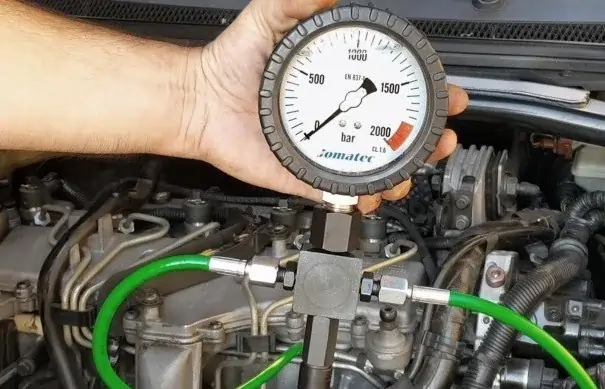
- Connect a fuel pressure gauge to the service port or fuel rail.
- Turn key to ON (no start) and read pressure. Note the reading and compare to spec.
- For many modern Jeep EFI systems, normal static pressure is often around 37–43 psi. Always confirm with your model’s manual.
-
Measure fuel pressure while cranking and at idle
- Pressure should remain stable while cranking. Big drops point to fuel delivery issues.
- Idle pressure should match spec. If low, suspect pump, filter, or regulator.
-
Load test the system
- With the gauge connected, have an assistant rev the engine or drive briefly (safely). Pressure should not fall sharply under load.
- A pressure drop under load usually means weak pump, clogged filter, or restricted fuel line.
-
Check for pressure regulator or return issues
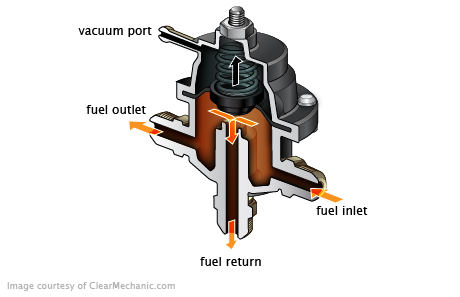
- On systems with a vacuum-operated regulator, check vacuum hose for leaks.
- If regulator diaphragm leaks, you may see fuel in the vacuum line.
-
Electrical checks
- Measure voltage at the fuel pump connector with key ON and while cranking. Low voltage indicates wiring, relay, or PCM driver problems.
- Check fuel pump current draw. High draw can mean internal pump wear; no draw means pump not powered.
-
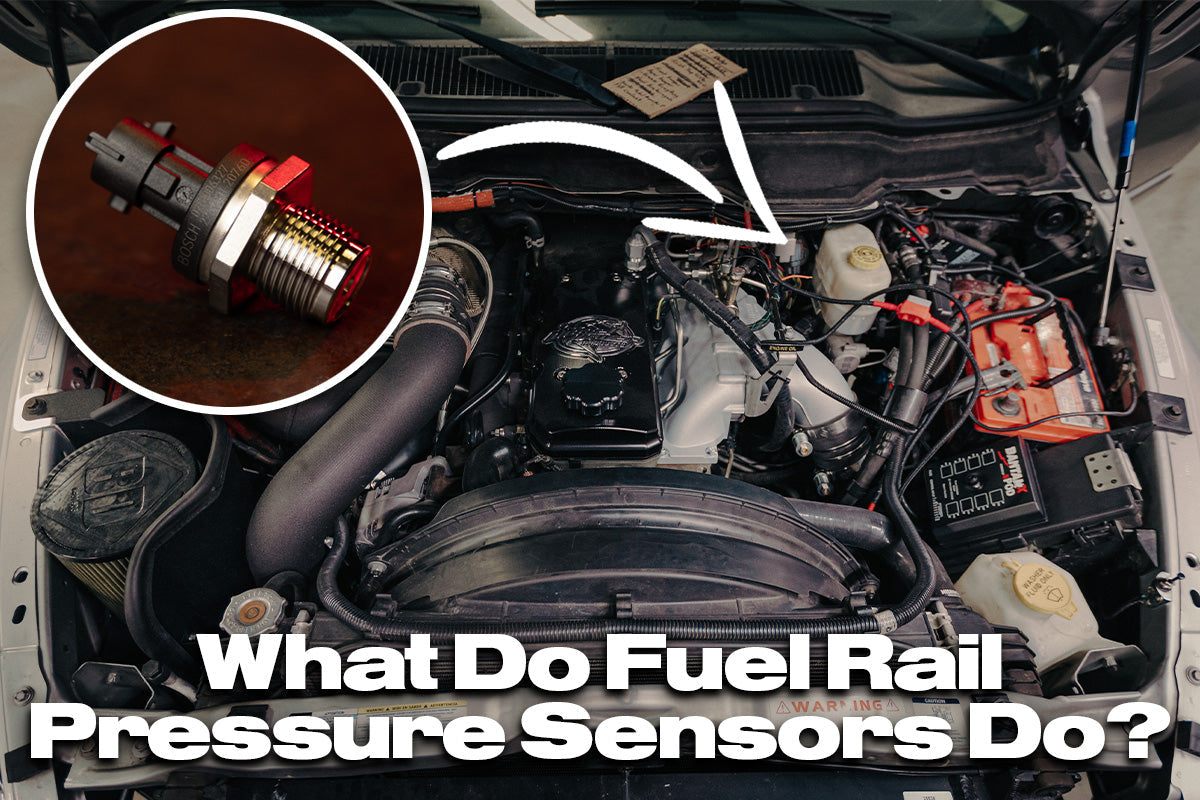
Test fuel rail pressure sensor and PCM readings
- Compare your gauge reading to the scanner’s fuel rail pressure PID. Large differences suggest a bad sensor.
Following these steps will let you isolate most causes when you diagnose jeep fuel pressure problems.
Advanced tests and bench checks
-
Injector balance (flow) test
- Use a professional flow tester or have the injectors serviced. Uneven flow can mimic pressure problems.
-
Fuel pump volume test
- Measure the fuel pumped into a container over a set time at key-on. Low volume with correct pressure can indicate a failing pump that can’t sustain load.
-
Fuel pump current draw
- Use a clamp meter to read amperage. Compare to spec; high draw can mean internal wear.
-
Wiring harness inspection and backprobing
- Look for chafed wires, corrosion, or melted connectors near the tank and harness bundles.
-
Fuel tank pressure and venting
- A blocked tank vent can create vacuum in the tank and starve the pump, causing low pressure under load.
These tests are useful if basic checks didn’t find the problem when you diagnose jeep fuel pressure problems.

Common causes and likely fixes
-
Clogged fuel filter
- Symptom: gradual power loss and pressure drop under load.
- Fix: replace filter; cheap and often resolves low-pressure complaints.
-
Weak or failing fuel pump
- Symptom: audible humming fades, low pressure under load, intermittent starts.
- Fix: replace pump or pump module; inspect strainer.
-
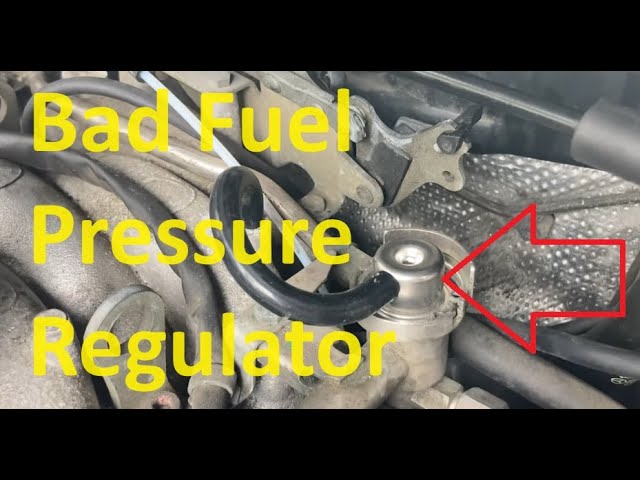
Bad fuel pressure regulator
- Symptom: rich running, fuel smell, fuel in vacuum hose (if applicable).
- Fix: replace regulator and check rail pressure after install.
-
Bad relay, fuse, or wiring
- Symptom: pump won’t run; intermittent power.
- Fix: swap relay, clean connectors, repair wiring.
-
Faulty fuel rail pressure sensor
- Symptom: incorrect pressure readings and CEL codes.
- Fix: replace sensor and verify readings with mechanical gauge.
-
PCM or fuel pump driver module failure
- Symptom: intermittent pump control, no voltage to pump.
- Fix: diagnose with scope or professional scanner; replace module if confirmed.
I once replaced three parts in one Jeep before finding a simple clogged filter. Save time by measuring pressure early when you diagnose jeep fuel pressure problems.
Costs and time estimate
- Fuel filter replacement: low cost and 15–45 minutes.
- Fuel pump replacement: moderate to high cost and 2–6 hours depending on model.
- Fuel pressure regulator or sensor: moderate cost and 1–3 hours.
- Electrical or PCM work: variable cost; may require diagnostic time.
Expect diagnostic time of 30 minutes to several hours. Accurate testing upfront reduces wasted money on parts. My shop experience shows a pressure gauge and scanner cut repeat visits by half.
Prevention and maintenance tips
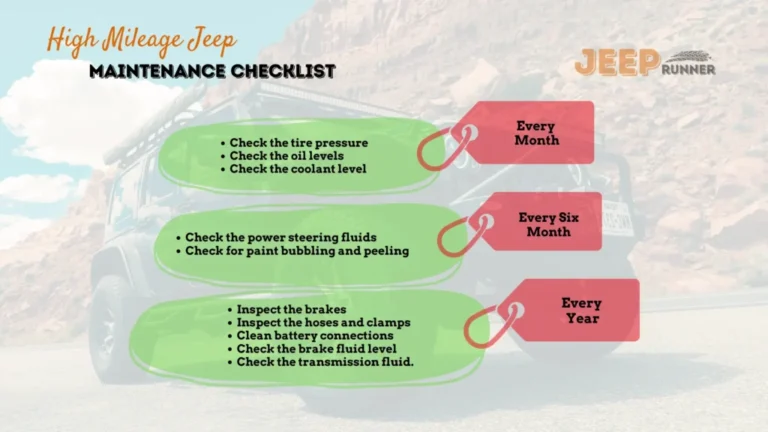
- Replace the fuel filter at recommended intervals.
- Use clean fuel and avoid filling from suspicious sources.
- Keep the tank at least 1/4 full to cool the pump and extend life.
- Address check engine codes early to prevent cascading failures.
- Inspect wiring during routine service, especially on high-mileage Jeeps.
Routine care makes it easier and quicker to diagnose jeep fuel pressure problems later.

Frequently Asked Questions of how to diagnose jeep fuel pressure problems
How do I know if my Jeep has low fuel pressure?
Low fuel pressure shows as hard starts, stalling, loss of power, and codes related to fuel rail pressure or fuel trims. Use a fuel pressure gauge and an OBD-II scanner to confirm low pressure under various conditions.
Can a bad fuel pump relay cause fuel pressure issues?
Yes. A failed relay can stop the pump from running or cause intermittent operation. Check relay continuity and voltage at the pump to isolate relay versus pump failure.
Is it safe to test fuel pressure myself?
Yes, if you follow safety steps: relieve pressure, work in a ventilated area, wear protection, and avoid sparks. If you’re unsure, have a professional do the test.
Will a clogged fuel filter show as a code?
Not always. A clogged filter often causes symptoms before codes appear. Measuring pressure and flow is the best way to detect a restriction.
How does a fuel pressure regulator failure present?
A regulator failure can cause high or low pressure, fuel smell, poor idle, and odd fuel trims. On vacuum-regulated systems, fuel may appear in the vacuum line if the diaphragm is torn.
Conclusion
Knowing how to diagnose jeep fuel pressure problems saves time and money. Start with simple checks: scan for codes, listen for the pump, and use a fuel pressure gauge to compare to spec. Work methodically, follow safety rules, and replace parts only after test results point to them.
Take action: if you suspect fuel pressure trouble, perform the basic pressure tests or bring this guide and your findings to a trusted mechanic. Share your results, subscribe for more hands-on guides, or leave a comment about your Jeep troubleshooting story.