You can check Jeep transmission fluid by warming the engine, parking level, and checking the dipstick or service port.
If you own a Jeep, knowing how to check jeep transmission fluid can save you from rough shifting, slipping gears, and costly repairs. I’ve seen a lot of perfectly good transmissions start acting up because the fluid was low, dirty, or checked the wrong way. In this guide, I’ll walk you through the process in a simple, real-world way so you can check it with confidence and understand what the results actually mean.
Why checking Jeep transmission fluid matters
Transmission fluid is the lifeblood of your Jeep’s gearbox. It cools the transmission, helps parts move smoothly, and protects against wear. When the level drops or the fluid breaks down, your Jeep may start to shift hard, hesitate, or make new noises that were not there last week.
I’ve learned that many drivers wait until the warning signs are obvious. That is usually too late. Checking Jeep transmission fluid early gives you a better shot at catching a small issue before it turns into a repair bill that hurts.
A healthy fluid check also helps you spot other problems. Burnt smell, dark color, or metal flakes can point to overheating or internal wear. If you know how to check jeep transmission fluid the right way, you are reading your Jeep’s clues before it starts yelling at you.
What you need before you check Jeep transmission fluid
Before you start, gather a few simple items. The exact method can vary by Jeep model and transmission type, so it helps to be ready.
• Owner’s manual or service guide for your specific Jeep model
• Clean lint-free rag or paper towel
• Flat parking surface
• Gloves, if you want to keep your hands clean
• Funnel, if you need to add fluid later
• Correct transmission fluid type for your Jeep
This part matters more than people think. I once watched someone top off a Jeep with the wrong fluid because “all ATF looks the same.” It does not. The wrong fluid can cause shift issues, foaming, and long-term damage.
How to check Jeep transmission fluid step by step
The exact steps depend on whether your Jeep has a traditional dipstick or a sealed transmission design. Many older Jeeps use a dipstick, while many newer models require checking through a fill plug or service procedure. Always confirm the method for your model year first.
Step 1: Warm up the Jeep
Start the engine and let it reach normal operating temperature. Transmission fluid expands when warm, so checking it cold can give you a false reading. A short drive of 10 to 15 minutes is usually enough for most Jeeps.
If you are checking after driving, park safely and keep the engine running unless your owner’s manual says otherwise. On some models, the fluid level is only accurate with the engine on and the transmission in a specific gear position.
Step 2: Park on level ground
A level surface is important because fluid readings can be wrong if the Jeep is tilted. Even a small slope can make the level look higher or lower than it really is. I always tell people to avoid checking in a driveway that leans hard to one side.
Set the parking brake and keep the Jeep secure. If you need to crawl under the vehicle for a sealed transmission, use proper jack stands and never rely on a jack alone.
Step 3: Locate the transmission fluid check point
Your Jeep may have one of two common setups:
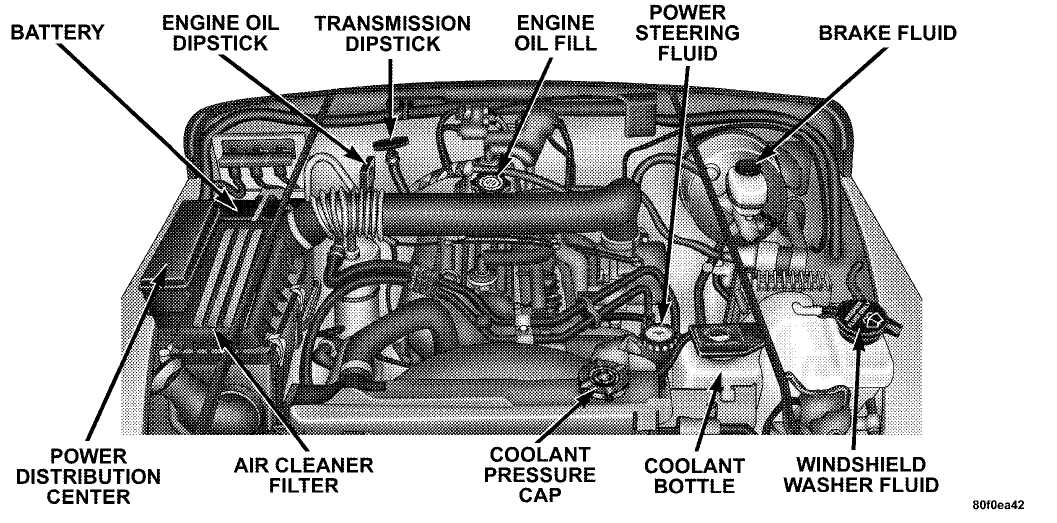
• Dipstick tube: Usually found near the back of the engine bay
• Check plug or fill plug: Often used on sealed transmissions underneath the vehicle
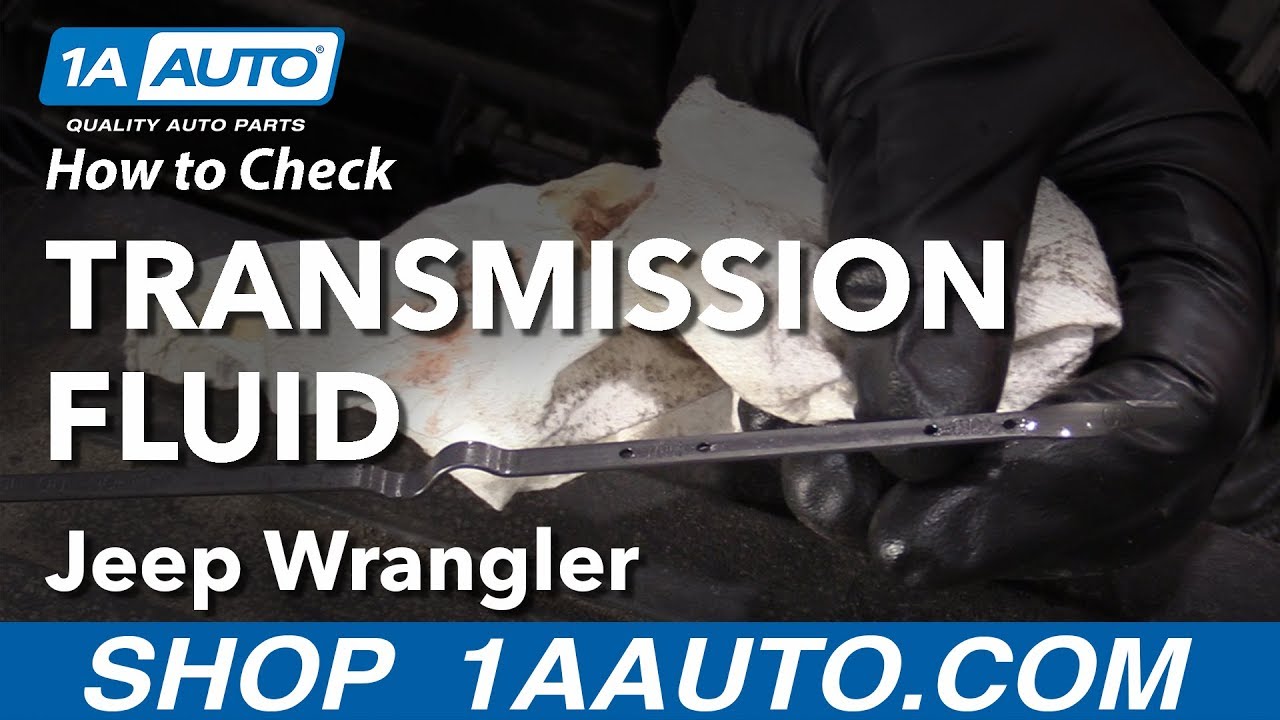
If your Jeep has a dipstick, pull it out and wipe it clean before reinserting it. If it uses a sealed system, the process is more technical and may require the engine to be running and the fluid to be checked at a specific temperature.
Step 4: Read the fluid level
For dipstick systems, remove the dipstick again and look at both sides. The fluid should sit between the “hot” marks if the Jeep is at operating temperature. If the level is below the mark, it may need fluid.
For sealed systems, the fluid is checked by removing the level plug. If a small amount of fluid drips out at the correct temperature, the level is usually right. No fluid or a heavy stream may mean the level is off, but temperature and procedure matter a lot here.
Step 5: Check the fluid condition
Level is only half the story. The fluid should usually look red, pink, or light amber, depending on age and transmission type. It should smell clean or mildly oily, not burnt.
Watch for these warning signs:
• Dark brown or black fluid
• Burnt smell
• Foamy fluid
• Metal particles
• Milky fluid, which can suggest coolant contamination
I have seen a Jeep that still had an okay level but awful fluid condition. The owner thought “full means fine,” but the transmission had been running hot for a while. Fluid condition is often the better clue.
Step 6: Add fluid only if needed
If the level is low, add the correct transmission fluid slowly. Use a funnel and pour a little at a time. Check the level again after each small addition so you do not overfill it.
Overfilling can be just as bad as running low. It can cause foaming, erratic shifting, and leaks. This is one of the most common mistakes I see during Jeep transmission fluid checks.
How to check Jeep transmission fluid on different Jeep models
Not every Jeep checks the same way. That is where a lot of confusion starts. The process for how to check jeep transmission fluid changes based on the model year, transmission design, and whether your Jeep uses a dipstick.
Older Jeep models with a dipstick
Many older Jeep models make the process easier. You can usually check the fluid with the engine warm, the vehicle on level ground, and the dipstick pulled from the transmission tube. This method is simple, fast, and beginner-friendly.
Even with older models, you still need the correct fluid type. Some transmissions require ATF+4, while others may need a different specification. The dipstick may also have hot and cold marks, so read the manual before trusting the stick alone.
Newer Jeep models with sealed transmissions
Many newer Jeep vehicles use sealed transmissions without a user dipstick. These systems are designed to reduce contamination and make service more controlled. The tradeoff is that checking fluid becomes more technical.
In many cases, the fluid is checked through a fill or level plug at a specific temperature. Some models may need a scan tool or careful temperature monitoring to get the reading right. If your Jeep has this setup, it is often smart to let a qualified technician confirm the level unless you are fully comfortable with the procedure.
Jeep Wrangler transmission fluid checks
Wrangler owners often ask about this because Wrangler models have changed a lot over time. Some older Wranglers have a dipstick, while newer ones may not. The safest move is to identify the exact model year and transmission before checking.
Wranglers also see hard use more often than daily commuters. Off-road driving, towing, mud, and heat can all stress transmission fluid faster. If you use your Wrangler this way, check it more often than the normal service interval.
Jeep Grand Cherokee transmission fluid checks
Grand Cherokee models are another common one with mixed procedures. Some years are easy to check, and some are not. A sealed transmission on a newer Grand Cherokee may require more specific steps than owners expect.
Because these vehicles often carry heavier loads and see more city or highway use, fluid condition matters a lot. If shifting feels delayed or rough, do not wait too long to inspect the fluid. Small changes in feel can be an early warning.
Common mistakes to avoid when checking Jeep transmission fluid
A lot of transmission problems come from simple mistakes. The good news is that most of them are easy to avoid once you know what to look for.
• Checking it cold and assuming the reading is accurate
• Parking on a slope and getting a false level
• Using the wrong fluid specification
• Overfilling after adding too much too fast
• Ignoring burnt smell or dark fluid
• Checking a sealed transmission without following the proper temperature steps
One mistake I have seen more than once is wiping the dipstick with a dirty rag. That can introduce lint or grit into the system. A clean rag may seem small, but small things matter when you are dealing with a precision system.
Signs your Jeep transmission fluid may need service
Even if the level looks okay, the fluid may still need attention. Transmission fluid does not last forever, especially in vehicles that tow, idle a lot, or drive in hot weather.
Look for these signs:
• Hard or delayed shifting
• Slipping gears
• A shudder during acceleration
• Transmission overheating warning lights
• Fluid leaks under the Jeep
• Burnt odor after driving
These symptoms do not always mean the transmission is failing. Sometimes it is just old fluid, a low level, or a maintenance issue. But they are reasons to inspect the fluid sooner rather than later.
How often should you check Jeep transmission fluid?
A good rule is to inspect it during regular maintenance, oil changes, or anytime you notice a change in shifting. If your Jeep is older, used for towing, or driven off-road often, check it more frequently. Severe use breaks fluid down faster.
The owner’s manual is still the best guide for your specific Jeep. That said, many owners benefit from a quick visual check every few months. I think of it like checking tire pressure before a road trip. It takes little time and can prevent a headache later.
When to get professional help
Some Jeep transmission fluid checks are easy. Others are not worth guessing on. If your Jeep has a sealed transmission, unknown service history, or serious shifting issues, a professional inspection can save time and reduce risk.
Get help if:
• You cannot confirm the correct fluid type
• The fluid is burnt or full of debris
• You see leaks near the transmission pan or cooler lines
• The Jeep shifts harshly even after the fluid is corrected
• The check procedure requires a scan tool or special temperature range
A certified mechanic can also tell the difference between a simple fluid issue and a deeper transmission problem. That kind of judgment is valuable, especially on newer Jeep drivetrains.
Frequently Asked Questions of how to check jeep transmission fluid
Can I check Jeep transmission fluid when it is cold?
You can, but the reading may not be accurate on many models. Transmission fluid expands as it warms, so the level should usually be checked at operating temperature unless your owner’s manual says otherwise.
What color should Jeep transmission fluid be?
Healthy fluid is often red, pink, or light amber, though the exact shade can vary with age and transmission type. If it looks dark brown or black, or smells burnt, it may need service.
Do all Jeep models have a transmission dipstick?
No, many newer Jeep models use sealed transmissions without a dipstick. In those cases, the fluid is checked through plugs and often at a specific temperature, which makes the process more technical.
Can I use any transmission fluid in my Jeep?
No, you should always use the fluid specification listed in your owner’s manual. Using the wrong fluid can cause shift issues, overheating, or long-term transmission damage.
What happens if Jeep transmission fluid is low?
Low fluid can cause slipping, delayed engagement, rough shifting, and overheating. If the level is very low, driving the Jeep can quickly make the problem worse.
Conclusion
Knowing how to check jeep transmission fluid gives you a simple but powerful way to protect your Jeep. Once you understand the right procedure for your model, you can catch low fluid, bad fluid, and early warning signs before they turn into bigger repairs. That small habit can make a real difference in how your Jeep drives and how long the transmission lasts.
If you have not checked yours in a while, make it part of your next maintenance routine. Grab your manual, follow the correct steps, and inspect both level and condition with care. If you found this guide helpful, explore more Jeep maintenance tips and share your experience in the comments.