You can replace a Jeep battery with basic tools, a new battery, and careful disconnect and reconnect steps.
If you’ve ever turned the key in your Jeep and heard nothing but a weak click, you know the feeling. Replacing the battery is one of those jobs that looks bigger than it is, but once you understand the steps, it becomes simple and safe. In this guide, I’ll walk you through how to replace Jeep battery the right way, with practical tips, real-world mistakes to avoid, and the kind of detail that helps you finish the job with confidence.
What you need before you replace a Jeep battery
Before you start, make sure you have the right battery and a few basic tools. Jeeps vary by model and year, so the battery size, cold cranking amps, and terminal layout can differ. I always tell people to check the owner’s manual or the label on the old battery first, because guessing here can waste time fast.
Here’s the usual list:
- A replacement battery that matches your Jeep’s specs
- A socket wrench or battery terminal wrench
- Gloves and safety glasses
- A battery terminal cleaner or wire brush
- Memory saver, if you want to keep radio and computer settings
- Anti-corrosion washers or spray, which are optional but helpful
A good battery should fit snugly in the tray and meet the correct CCA rating for your climate. Cold weather puts more strain on a battery, so if you live where winters hit hard, don’t buy the cheapest option just to save a few dollars. A strong battery is like a reliable teammate; when it’s weak, everything else feels harder.

How to replace Jeep battery step by step
Replacing a Jeep battery is mostly about working in the right order. The key is to disconnect the old battery safely, remove it without damaging the tray or cables, and install the new one with solid connections.
Follow these steps:
-
Turn off the Jeep and remove the key or fob
Make sure every electrical item is off, including lights, the radio, and accessories. If your Jeep has a push-button start, keep the fob away from the vehicle. -
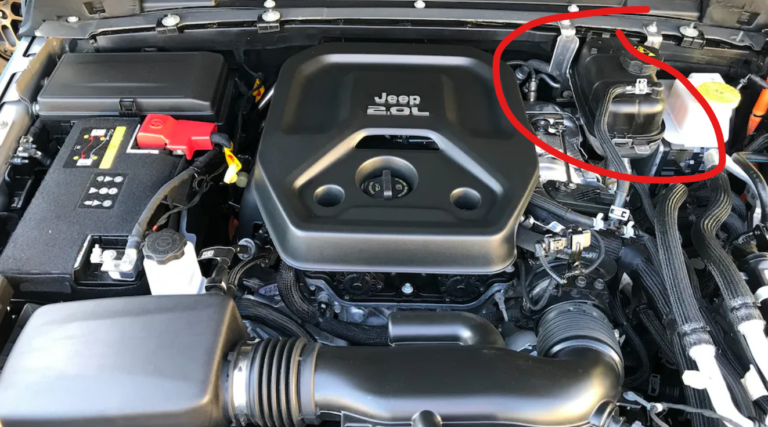
Open the hood and find the battery
In most Jeep models, the battery sits in the engine bay and is easy to access. Some newer setups may feel a little crowded, but the process is still straightforward. -
Disconnect the negative terminal first
Use your wrench to loosen the clamp on the negative terminal, usually marked with a minus sign or black cover. This step matters because it lowers the risk of short circuits. -
Disconnect the positive terminal
After the negative cable is off, loosen and remove the positive terminal. Keep the cables from touching any metal parts. -
Remove the battery hold-down bracket
Most Jeep batteries are secured by a bracket or clamp at the base or top. Set the hardware aside in a safe place so nothing gets lost. -
Lift out the old battery
Batteries are heavier than they look, so use both hands and lift carefully. If it feels stuck, check again for a hidden bracket or corrosion holding it in place. -
Clean the battery tray and terminals
This part is easy to skip, but it matters. Dirt, corrosion, and acid residue can shorten the life of your new battery and weaken the connection. -
Place the new battery in the tray
Make sure the terminals face the same direction as the old one. The battery should sit flat and secure without wobbling. -
Reinstall the hold-down bracket
Tighten it enough to keep the battery steady, but do not over-tighten and crack the case. A battery that moves around is more likely to fail early. -
Reconnect the positive terminal first
Attach the positive cable before the negative one. This order reduces the chance of accidental sparking. -
Reconnect the negative terminal
Tighten the clamp firmly, but don’t crush it. A loose connection can cause hard starts and electrical glitches. -
Start the Jeep and test everything
Turn the key or press the start button and make sure the engine starts normally. Check the lights, dashboard, radio, and power features to confirm everything works.
From my own experience, the most common mistake is reversing the cable order during installation. It’s a small slip that can create trouble fast, especially on vehicles with sensitive electronics. I’ve also seen people forget to clean the terminals, then wonder why the new battery still acts weak.

Signs your Jeep battery needs replacement
A Jeep battery rarely fails with no warning. Most of the time, it gives small clues first, and catching them early can save you from getting stranded.
Common warning signs include:
- Slow engine cranking
- Clicking sound when you try to start the Jeep
- Dim headlights or interior lights
- Battery warning light on the dashboard
- Corrosion around the battery terminals
- Swollen or leaking battery case
- Repeated jump-starts needed over a short period
If your Jeep is older, short trips and extreme weather can wear the battery out faster. AAA and other auto service groups regularly note that batteries often lose strength after three to five years, especially when exposed to heat, vibration, or frequent stop-and-go use. That doesn’t mean every battery dies on schedule, but age is a strong clue.
Choosing the right replacement battery for your Jeep
Not every battery labeled “fits Jeep” is the best fit for your model. You want the right group size, the right terminal placement, and enough cold cranking amps to handle your engine and climate.
Here’s what to check:
- Group size: This controls the physical size and shape
- Cold cranking amps: This helps the Jeep start in cold weather
- Reserve capacity: This shows how long the battery can supply power if the alternator fails
- Terminal position: The positive and negative posts must line up correctly
- Battery type: Most Jeeps use lead-acid or AGM batteries, depending on model and features
AGM batteries are often a smart choice for Jeeps with a lot of accessories, start-stop systems, or off-road use. They usually cost more, but they can handle vibration and deep cycling better than many standard flooded batteries. If you drive rough trails or add winches, lights, or other gear, that extra durability can be worth it.
Safety tips when replacing a Jeep battery
Battery work is simple, but it still deserves respect. Even a standard 12-volt car battery can spark, leak acid, or damage electronics if handled carelessly.
Keep these safety tips in mind:
- Wear gloves and eye protection
- Never let a wrench touch both terminals at once
- Keep metal jewelry away from the battery
- Do not smoke or create sparks near the battery
- Lift with care, since batteries are heavy
- Dispose of the old battery at a recycling center or auto parts store
A battery is a sealed box of stored energy. Treat it like a live tool, not a dead part. I’ve seen more frustration come from rushing than from the actual battery swap itself.

What to do after you replace Jeep battery
After the new battery is in, take a few minutes to make sure everything is stable. This is where a lot of people stop too early and miss a small issue that shows up later.
Check the following:
- The battery does not move in the tray
- Both terminals are tight
- No warning lights stay on after startup
- The engine cranks normally
- Accessories work as expected
- The hood closes without pressing on anything
Some Jeep models may lose radio presets, clock settings, or window calibration after battery replacement. If that happens, follow the owner’s manual for reset steps. In some cases, the power windows or steering angle sensor may need a quick relearn process.
How long does it take to replace a Jeep battery?
For most Jeep owners, the job takes 15 to 30 minutes. If corrosion is heavy, the battery is hard to reach, or the hold-down bracket is stubborn, it can take longer.
A first-time DIYer may need a little more time, and that’s normal. The goal is not speed; the goal is a clean install that starts the Jeep reliably. A calm, careful job is almost always the best job.
When to replace it yourself and when to get help
Many Jeep battery swaps are perfect DIY jobs. If the battery is easy to access and your tools are basic, you can usually handle it at home.
You may want professional help if:
- The battery is buried under covers or tight components
- There is heavy corrosion or damage
- Your Jeep has a complex electrical setup
- You are not comfortable working around battery terminals
- The battery keeps dying even after replacement
If your Jeep still struggles after a new battery, the problem may be the alternator, starter, or a parasitic draw. That’s where diagnosis matters more than replacement. In my experience, people sometimes blame the battery when the real issue is charging system trouble.
Frequently Asked Questions
How do I know which battery fits my Jeep?
Check your owner’s manual, the old battery label, or the battery group size listed on the current unit. The new battery should match the correct size, terminal layout, and cold cranking amps for your Jeep.
Do I disconnect the positive or negative terminal first?
Always disconnect the negative terminal first, then the positive. When installing the new battery, reverse the order and connect the positive terminal first.
Will my Jeep lose memory settings when I change the battery?
It might. Some Jeeps lose radio presets, clock settings, or window positions when power is disconnected, though a memory saver can help prevent that.
How often should a Jeep battery be replaced?
Most Jeep batteries last about three to five years, but heat, cold, short trips, and off-road use can shorten that life. If starting gets slow or the battery shows corrosion or swelling, it may be time sooner.
Can I replace a Jeep battery without resetting anything?
Sometimes yes, but not always. Some models need window or electronic resets after battery replacement, so it helps to check the owner’s manual before you start.
What should I do with the old Jeep battery?
Take it to an auto parts store, recycling center, or service shop that accepts used batteries. Most places recycle them properly, and many even offer a core refund or disposal credit.
Conclusion
Replacing a Jeep battery is one of the most useful maintenance jobs you can learn. Once you know the right cable order, how to clean the terminals, and how to secure the new battery, the whole process becomes much less intimidating.
If your Jeep has been slow to start, don’t wait until it leaves you stranded in a parking lot or on a cold morning. Use this guide, choose the right battery, and take your time with the install. If you found this helpful, explore more Jeep maintenance tips and share your own battery swap experience in the comments.