The Jeep Cherokee Suspension Steering Axles and Brake Systems are some of the most important mechanical systems on any Cherokee model. These parts connect the vehicle to the road, control movement, transfer engine power, and help the driver stop safely.
From the classic Cherokee XJ with its solid axle design to newer Cherokee models with independent suspension, each generation has unique strengths and common wear points. In the United States, many owners use Cherokees for commuting, towing, camping, and off road trips, so proper maintenance matters.
A well-maintained suspension and steering system can improve ride quality and confidence behind the wheel. In my experience studying Jeep platforms, most issues begin with small worn parts such as bushings, ball joints, tie rods, or brake components that owners ignore for too long.

Understanding Jeep Cherokee Suspension Systems
The suspension system supports the vehicle weight and keeps the tires connected to the road. It absorbs bumps, controls body movement, and helps the Cherokee remain stable during turns.
The Jeep Cherokee Suspension Steering Axles and Brake Systems vary by generation. Older Cherokee XJ models are known for their durable solid axle setup, while newer models focus more on comfort and highway handling.

- ✦ Suspension purpose
Suspension parts manage ride comfort, tire contact, handling, and vehicle stability.
- ✦ Common wear parts
Shock absorbers, control arm bushings, springs, and ball joints often need replacement as mileage increases.
Cherokee XJ Solid Axle Suspension
The Cherokee XJ uses a front solid axle and rear leaf spring setup. This design is simple, strong, and popular among off road enthusiasts because it handles rough terrain well.
Many XJ owners upgrade suspension components with lift kits, stronger control arms, and improved shocks for better trail performance.
- ✦ XJ advantage
The solid axle design offers strength and excellent wheel travel for off road driving.
Jeep Cherokee Steering System Components and Problems
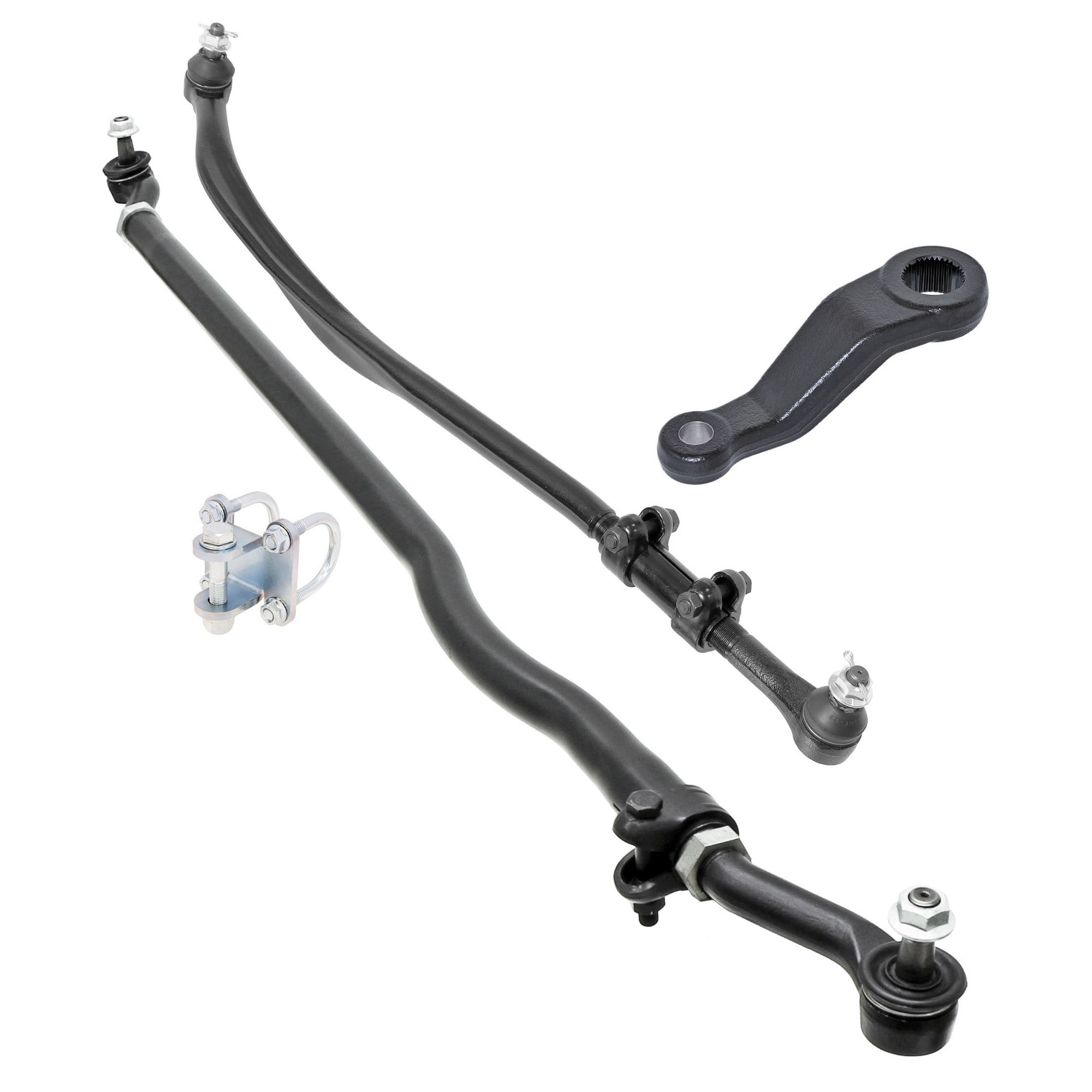
The steering system allows the driver to control vehicle direction. It includes components such as the steering rack or steering box, tie rods, drag links, and steering joints depending on the model.
A loose steering wheel, vibration, uneven tire wear, or wandering on the highway can point to steering problems. These symptoms should be checked before they become safety issues.

- ✦ Tie rods
Tie rods transfer steering movement to the wheels and can cause play when worn.
- ✦ Alignment issues
Incorrect alignment can create poor handling and faster tire wear.
Signs of Steering Wear
Common signs include clunking sounds, steering vibration, loose handling, and difficulty keeping the Cherokee straight on the road.
- ✦ Inspection tip
Check steering joints during tire rotations or routine maintenance.
Jeep Cherokee Axle Systems and 4WD Capability
Axles transfer power from the drivetrain to the wheels. They also support vehicle weight and handle forces created during acceleration, braking, and off road driving.
The Jeep Cherokee Suspension Steering Axles and Brake Systems depend heavily on axle condition. A damaged axle can affect traction, noise levels, and overall driving safety.
- ✦ Front axle role
The front axle supports steering movement and power delivery in many four wheel drive models.
- ✦ Rear axle role
The rear axle transfers engine power and handles load during towing and acceleration.
Common Axle Problems
Owners may notice axle problems through humming sounds, leaking differential fluid, vibration, or clicking noises during turns.
- ✦ Maintenance
Regular differential fluid checks help protect gears and bearings.
Jeep Cherokee Brake Systems Explained
The brake system is responsible for slowing and stopping the Cherokee safely. It includes brake pads, rotors, calipers, brake lines, and electronic safety systems on newer models.
Brake maintenance is especially important for US drivers who deal with heavy traffic, towing, mountain roads, and changing weather conditions.

- ✦ Brake pads
Brake pads create friction against rotors and wear down over time.
- ✦ Brake fluid
Old brake fluid can reduce braking performance and should be replaced according to service needs.
Brake Warning Signs
Squealing sounds, grinding noises, a soft brake pedal, and pulling during braking are signs that inspection is needed.
- ✦ Safety first
Brake problems should never be ignored because stopping ability directly affects safety.
Maintenance Tips for Jeep Cherokee Suspension Steering Axles and Brake Systems
Regular inspections help prevent expensive repairs. A Cherokee used for off road driving needs more frequent checks because mud, water, and rough terrain can speed up wear.
Simple maintenance habits can extend the life of suspension, steering, axle, and brake components.

- ✦ Inspect regularly
Check joints, bushings, shocks, brakes, and fluids during routine service.
- ✦ Watch for symptoms
Noise, vibration, leaks, and uneven tire wear often reveal early problems.
Recommended Checks
A basic inspection should include tire condition, steering movement, brake response, axle leaks, and suspension damage.
- ✦ Service approach
Fixing small issues early usually prevents larger mechanical failures.