Replace your Jeep thermostat by draining coolant, removing the housing, swapping the thermostat, and refilling the system.
I have worked on Jeeps for years and have replaced many thermostats on Wrangler, Cherokee, and Grand Cherokee models. This guide on how to replace jeep thermostat walks you through signs, parts, tools, safety, and a clear step-by-step process. Read on to get confident, avoid common mistakes, and finish this job safely at home or in your garage.
How the thermostat works in your Jeep
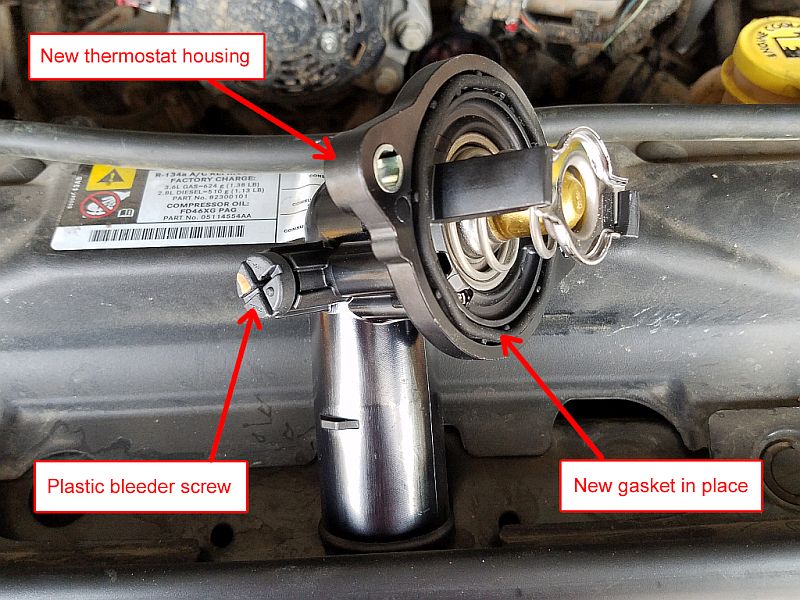
A thermostat is a small valve in the cooling system. It stays closed when the engine is cold. This lets the engine warm up fast. It opens when coolant reaches a set temperature. This keeps the engine from running too hot.
Knowing how the thermostat works helps when you learn how to replace jeep thermostat. A failed thermostat can cause overheating or poor heater performance. I often test the thermostat before removing it to avoid extra work. This saves time and parts.

When to replace a Jeep thermostat
Replace the thermostat if you see these signs:
- Engine runs hot on the gauge or overheats.
- Heater blows cold air with a hot engine.
- Coolant is not circulating well.
- Coolant leaks at the thermostat housing.
- Sudden temperature swings on the dash.
If you notice any of these, act fast. Waiting can damage the head gasket or warp the head. My rule of thumb: replace if the thermostat is older than five years or if the car shows symptoms. This is a common part that wears out over time.
Tools and parts you will need
Tools make the job fast and safe. Gather these items before you start:
- Socket set and ratchet with extensions.
- Torque wrench (recommended).
- Screwdrivers.
- Pliers and hose clamp pliers.
- Drain pan for coolant.
- New thermostat and gasket or O-ring for your Jeep model.
- New coolant or refill fluid.
- Gasket scraper and cleaner.
- Protective gloves and safety glasses.
Check your Jeep model year for the correct thermostat part. Using the right part prevents leaks and poor operation. I always compare the old thermostat to the new one before installation.

Step-by-step guide: how to replace jeep thermostat
Follow these steps in order. Read all steps first. Work on a cool engine.
-
Prepare the vehicle
- Park on level ground and let the engine cool fully.
- Disconnect the negative battery cable.
- Place the drain pan under the radiator.
-
Drain coolant
- Open the radiator cap to relieve pressure.
- Open the drain petcock or remove the lower radiator hose to drain coolant.
- Close the drain when most coolant is out. Save usable coolant if it is clean.
-
Locate the thermostat housing
- Find the upper radiator hose to the engine. Follow it to the housing.
- Remove any covers or air intake parts that block access.
-
Remove the thermostat housing
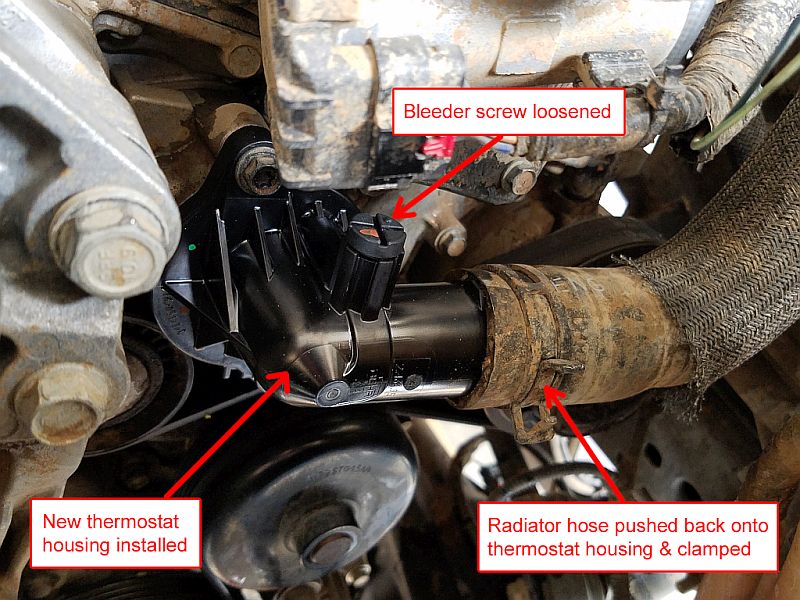
- Loosen hose clamp and move the hose off the housing.
- Unbolt the housing. Keep bolts in order.
- Note the thermostat orientation before removing it.
-
Remove the old thermostat and gasket
- Pull out the thermostat.
- Scrape old gasket material from the housing and engine surface.
- Clean surfaces with a lint-free cloth.
-
Install the new thermostat
- Place the new thermostat in the same orientation.
- Fit the new gasket or O-ring. Use sealant only if the part guide says so.
- Tighten housing bolts to the specified torque.
-
Reconnect hoses and components
- Reinstall the upper radiator hose and clamps.
- Reattach any covers or intake parts you removed.
-
Refill and bleed the cooling system
- Refill with the correct coolant mix.
- Start the engine with the heater on high.
- Let the engine reach normal temperature to remove air pockets.
- Top off the coolant as air escapes and the level drops.
- Check for leaks.
-
Final checks
- Recheck bolt torque and hose clamps.
- Confirm the temperature gauge is steady and normal.
- Road test the Jeep and watch the temp gauge.
This clear routine shows how to replace jeep thermostat step by step. I follow this path on every Jeep I work on. It helps me avoid leaks and ensures proper operation.

Tips, common mistakes, and safety
Use these tips to avoid trouble:
- Let the engine cool fully before opening the cooling system.
- Do not reuse old gaskets or O-rings.
- Use the proper torque values to avoid warping the housing.
- Bleed the system to avoid air pockets and overheating.
- Dispose of old coolant properly.
Common mistakes I see:
- Forgetting to remove trapped air in the cooling system.
- Using the wrong thermostat or wrong orientation.
- Over-tightening bolts and cracking the housing.
- Not checking hoses and clamps that are weak or old.
Safety notes:
- Wear eye protection and gloves.
- Keep coolant away from pets and children.
- Work in a ventilated area.

Cost, time, and warranty expectations
Expect these ranges:
- Parts cost: thermostat and gasket $15 to $60 depending on model.
- Tools: basic set you likely already own.
- Labor: 1 to 2 hours for DIY; 1 to 3 hours at a shop.
- Warranty: OEM parts often have a limited warranty; aftermarket parts vary.
If you are new to DIY, budget extra time. I once spent extra 30 minutes bleeding air on a Jeep because I missed a small bleed screw. That taught me to plan more time and lay out tools ahead of time.
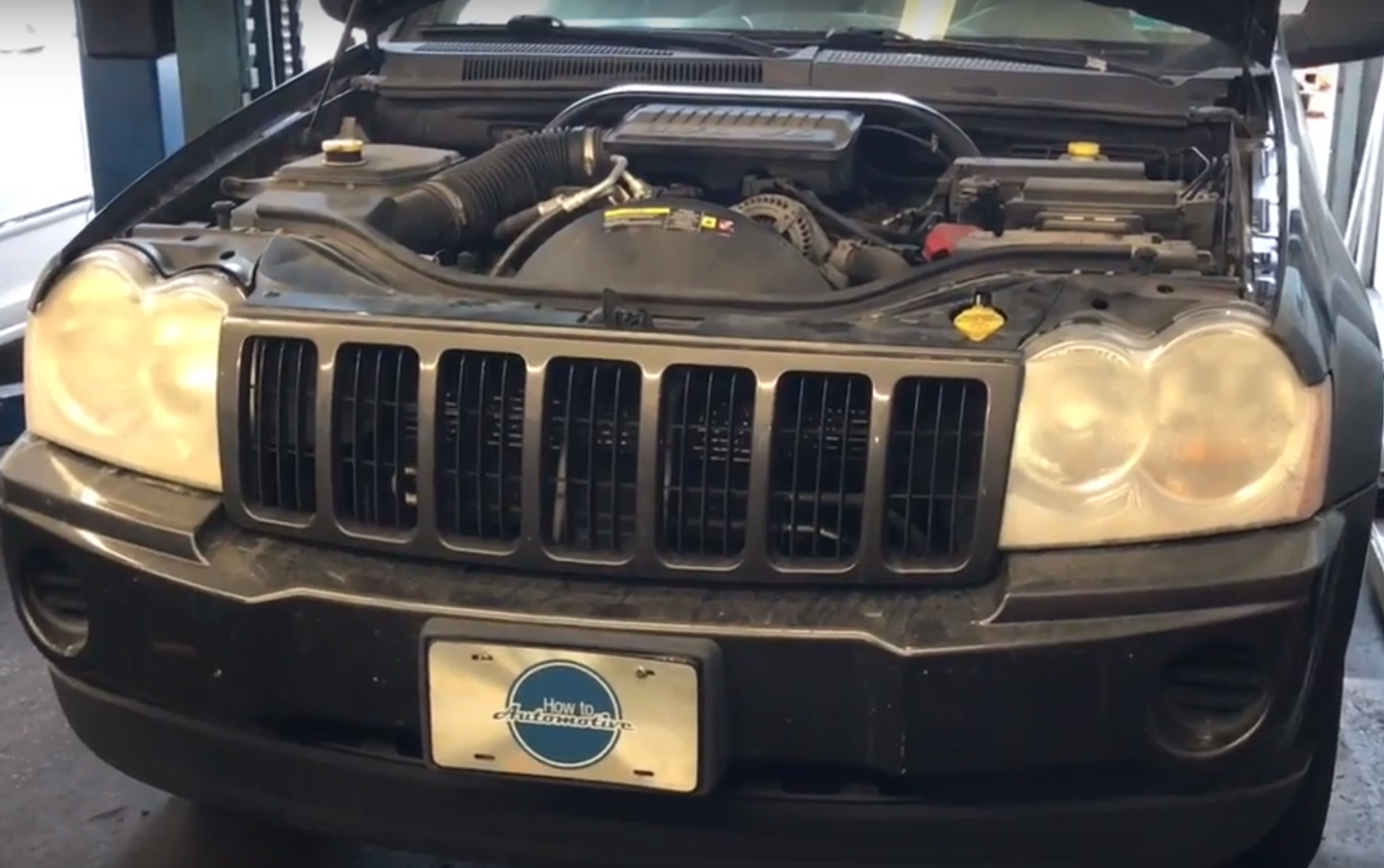
Troubleshooting after replacement
If the car still runs hot:
- Check for trapped air. Re-bleed the system and recheck levels.
- Verify the thermostat was installed the right way.
- Inspect water pump operation and fan clutch or electric fan.
If you see leaks:
- Check gasket seating and bolt torque.
- Inspect the hose clamps and the hose ends.
If the heater is cold but engine warm:
- Ensure thermostat opens at the correct temp.
- Check heater core flow and blend door operation.
Here are quick PAA-style questions many readers ask:
- Will a bad thermostat cause overheating? Yes. A stuck-closed thermostat prevents coolant flow and causes the engine to overheat.
- Can I replace the thermostat myself? Yes, most Jeep thermostats are accessible and can be replaced with basic tools.
- How do I know the thermostat is bad? Watch for overheating, low heater output, or temperature swings.

Frequently Asked Questions of how to replace jeep thermostat
What is the first step when you replace the thermostat?
Start with a cool engine. Disconnect the battery and drain enough coolant to drop the level below the thermostat housing.
How long does it take to replace a Jeep thermostat?
For a DIYer it usually takes one to two hours. If you are new, plan for extra time to bleed the system.
Do I need to bleed the cooling system after replacing the thermostat?
Yes. Bleeding removes air pockets that can cause overheating. Run the engine and top off coolant until no air appears.
Can I reuse the old gasket or O-ring?
No. Always use a new gasket or O-ring to prevent leaks and ensure a proper seal.
What if the new thermostat does not fix overheating?
Check for air in the system, a bad water pump, blocked radiator, or failing fan. Inspect hoses and look for coolant leaks.
Conclusion
You now have a clear, practical plan for how to replace jeep thermostat. Follow the steps, use the right parts, and take safety precautions. With care, this job saves money and restores reliable cooling.
Take action: gather tools, order the correct thermostat for your Jeep, and try the job this weekend. Share your experience or questions in the comments so others can benefit from what you learned.