The Jeep Cherokee Electrical Uconnect Sensors and Warning Systems are a major part of modern Cherokee models. These systems help drivers stay connected, detect problems, and receive important alerts while driving in daily U.S. traffic or on long road trips.
From my experience studying Jeep technology systems, many electrical complaints are not caused by major failures. Simple issues like weak batteries, loose connections, outdated software, or damaged sensors often create confusing warning messages. Understanding how each system works makes troubleshooting much easier.
This guide explains Jeep Cherokee Electrical Uconnect Sensors and Warning Systems in a simple way. It covers Uconnect features, safety sensors, dashboard alerts, common failures, and practical maintenance steps for owners.
 display” title=”Jeep Cherokee technology and Uconnect system display” loading=”lazy” decoding=”async” style=”max-width: 100%; height: auto; display: block; margin: 0 auto; border-radius: 12px; box-shadow: 0 8px 25px rgba(0, 0, 0, 0.12);”>
Understanding Jeep Cherokee Electrical Uconnect Sensors and Warning Systems
The Jeep Cherokee Electrical Uconnect Sensors and Warning Systems combine several electronic parts that communicate through the vehicle network. These parts include control modules, sensors, cameras, displays, and warning indicators.
Modern Cherokee vehicles use computers to manage engine functions, safety systems, entertainment features, and driver assistance tools. When one part detects an issue, it sends information to another module and may display a warning message.
The electrical system works like a communication network. A sensor collects data, a control module processes the information, and the driver receives feedback through the dashboard or Uconnect screen.

- ✦ Electronic Control Modules
Modules control systems such as the engine, transmission, airbags, brakes, and infotainment features.
- ✦ Vehicle Sensors
Sensors measure speed, temperature, pressure, movement, and surroundings to support vehicle operation.
- ✦ Warning Systems
Warning lights and messages inform drivers about possible problems that need attention.
How the Electrical Network Communicates
The Cherokee uses communication networks that allow computers to share information quickly. This design reduces wiring complexity and improves system control.
When communication fails, drivers may see multiple warnings at once. A single electrical problem can sometimes trigger several alerts because different modules depend on shared information.
Jeep Cherokee Uconnect System Features and Common Issues
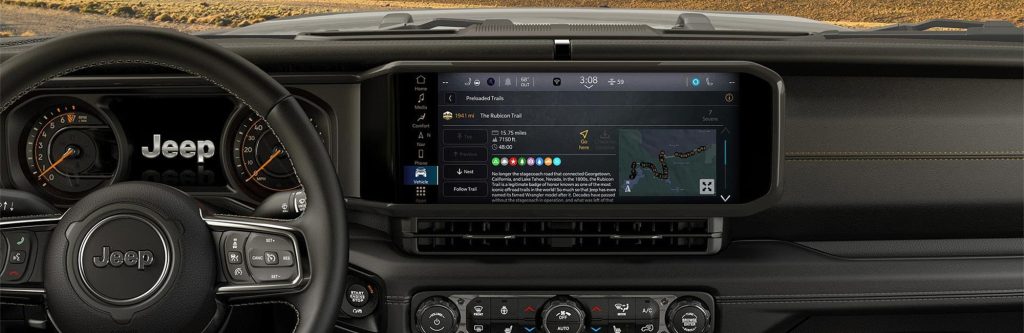
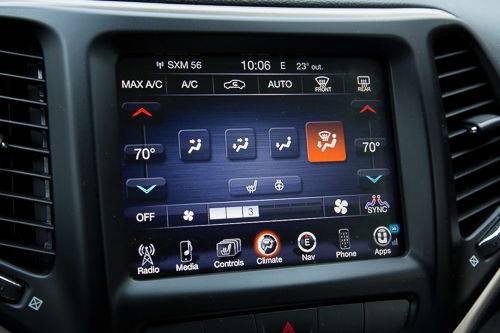
The Uconnect system is the main technology interface inside many Jeep Cherokee models. It controls navigation, smartphone connections, audio, climate controls, and vehicle settings.
Jeep Cherokee Electrical Uconnect Sensors and Warning Systems depend on stable software and electrical power. A weak battery or software glitch can cause screen freezing, connection problems, or unexpected restarts.
Many owners report issues such as slow touchscreen response, Bluetooth problems, or navigation errors. In many cases, checking software updates and battery health is the first step before replacing expensive parts.

- ✦ Touchscreen Problems
Frozen screens or slow responses may come from software errors, power issues, or hardware faults.
- ✦ Phone Connectivity
Bluetooth and smartphone connection issues can often improve after resetting settings or updating software.
Maintaining Uconnect Performance
Owners should keep Uconnect software updated and avoid ignoring repeated system warnings. A professional scan can identify communication faults that are not visible from the screen alone.
Important Jeep Cherokee Sensors and Their Functions
Sensors are the foundation of Jeep Cherokee Electrical Uconnect Sensors and Warning Systems. They collect information that helps the vehicle make safe decisions.
A faulty sensor does not always mean the entire system has failed. Sometimes dirt, moisture, wiring damage, or poor connections create incorrect readings.
Regular inspections help owners identify small sensor problems before they affect driving performance or safety features.

- ✦ Parking Sensors
Parking sensors detect nearby objects and help drivers avoid low-speed collisions.
- ✦ Wheel Speed Sensors
Wheel sensors support ABS, traction control, and stability control operation.
- ✦ Temperature and Pressure Sensors
These sensors monitor important vehicle conditions and provide alerts when readings are outside normal ranges.
Driver Assistance Sensor Technology
Some Cherokee models include cameras and advanced sensors that support features like lane monitoring and collision alerts. These systems require proper calibration after certain repairs.
Jeep Cherokee Dashboard Warning Lights Explained
Dashboard warnings are one of the most visible parts of Jeep Cherokee Electrical Uconnect Sensors and Warning Systems. They alert drivers when the vehicle detects unusual conditions.
Not every warning means immediate danger, but every warning deserves attention. Ignoring repeated messages can allow small problems to become larger repairs.
Drivers should check the owner’s manual for specific meanings because warning symbols can vary by model year and equipment package.
- ✦ Check Engine Light
This warning may relate to engine sensors, emissions parts, or electrical communication issues.
- ✦ ABS Warning
This light can indicate problems with braking sensors or the anti-lock braking system.
- ✦ Battery Warning
A battery or charging system warning may point to alternator, battery, or electrical connection problems.
When Multiple Warning Lights Appear
Multiple warnings often indicate a shared electrical issue. A weak battery or poor ground connection can affect several systems at the same time.
A diagnostic scanner can read stored trouble codes and help technicians locate the source of the problem.
Common Jeep Cherokee Electrical Problems and Solutions
Jeep Cherokee Electrical Uconnect Sensors and Warning Systems may develop issues as vehicles age. Most problems come from normal wear, environmental exposure, or electrical supply problems.
In the United States, temperature changes, road salt, humidity, and frequent short trips can affect battery life and electrical connections.
A careful diagnosis is important because replacing random parts can become expensive without solving the real issue.
- ✦ Weak Battery
Low voltage can create unusual warnings, slow screens, and communication errors.
- ✦ Software Errors
Outdated software may cause Uconnect and electronic control problems.
- ✦ Damaged Wiring
Broken wires or poor connections can interrupt communication between modules.
Best Diagnostic Approach
Start with simple checks such as battery voltage, visible wiring, and recent changes. Then use professional diagnostic tools if the problem continues.
Maintenance Tips for Jeep Cherokee Electrical Systems
Preventive care keeps Jeep Cherokee Electrical Uconnect Sensors and Warning Systems working correctly. Simple habits can reduce unexpected electrical problems.
Owners should inspect battery condition, keep connectors clean, and pay attention to new warning messages.
Regular maintenance also helps protect expensive electronic components and improves long-term vehicle reliability.

- ✦ Check Battery Health
Test battery voltage regularly, especially before extreme weather seasons.
- ✦ Update Software
Install available Uconnect updates to improve stability and compatibility.
- ✦ Scan Warning Codes
Use diagnostic tools to understand warning messages before replacing parts.