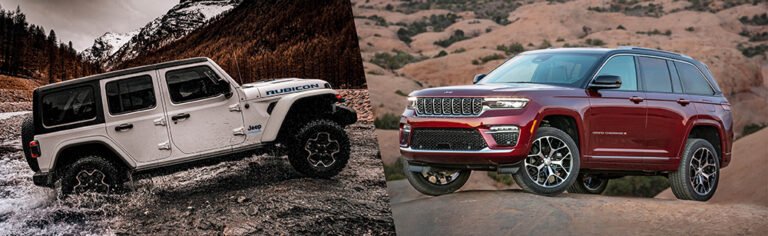
Jeep Differential Lockers Traction Systems and Off-Road Control technology gives drivers more control when trails become challenging. In the United States, Jeep owners use these systems for rocky trails, muddy roads, sand, snow, and outdoor adventures where normal traction is not enough.
After studying off-road setups, one lesson stands out: good traction is not only about engine power. A well-designed differential system helps transfer power in a smarter way. Jeep models use mechanical lockers, electronic traction aids, and 4WD systems to keep moving when one or more tires lose contact.

How Jeep Differential Lockers Work
A differential allows wheels on the same axle to turn at different speeds. This is important when a Jeep turns because the outside wheel travels farther than the inside wheel.
The problem starts when one tire loses traction. An open differential sends power toward the wheel with the least resistance. A locker changes this behavior by locking both axle shafts together so both wheels receive equal rotation.

- ✦ Open Differential
A standard differential provides smooth street driving but may struggle when one wheel loses grip.
- ✦ Locking Differential
A locker connects both wheels together to improve movement over rocks, mud, and uneven ground.
Why Lockers Matter on Trails
During slow technical driving, a Jeep may lift a tire while climbing over obstacles. A differential locker helps maintain forward movement by keeping torque available at both wheels.
- ✦ Better Low-Speed Control
Lockers reduce wheel spin and help drivers crawl over difficult terrain.
Types of Jeep Differential Lockers and Traction Systems
Jeep Differential Lockers Traction Systems and Off-Road Control includes several types of solutions. Each system has different benefits depending on whether a driver focuses on daily use, trail rides, or extreme rock crawling.
Modern Jeep vehicles often combine traditional mechanical systems with electronic controls. This creates a balance between everyday comfort and off-road capability.

- ✦ Electronic Lockers
Electronic lockers activate with a switch and provide strong traction when needed.
- ✦ Limited Slip Differentials
Limited slip systems reduce wheel spin while keeping smoother road manners.
- ✦ Brake-Based Traction Control
Electronic systems apply brake pressure to spinning wheels and redirect usable torque.
Factory Jeep Locker Systems
Some Jeep models offer factory locking differentials as part of off-road packages. These systems are designed to work with the vehicle’s suspension, axle strength, and electronic controls.
- ✦ Integrated Design
Factory systems usually provide reliable performance because they are tested with the complete vehicle.
How Jeep Traction Control Improves Off-Road Driving
Traction control systems monitor wheel speed and detect when a tire spins faster than others. The system can reduce engine power or apply braking to help regain control.
Jeep Differential Lockers Traction Systems and Off-Road Control works best when mechanical and electronic systems support each other. A locker provides direct power delivery, while electronic aids manage changing conditions.

- ✦ Snow and Ice Driving
Traction systems help maintain stability when road surfaces have limited grip.
- ✦ Mud and Sand
Lockers help prevent a single spinning tire from stopping progress.
- ✦ Rock Crawling
Low-speed torque control helps Jeep drivers climb obstacles safely.
The Role of 4WD Systems
A four-wheel-drive system works together with lockers and traction controls. Low-range gearing increases torque, while lockers help distribute that torque effectively.
- ✦ Low Range 4WD
Provides extra control during steep climbs and technical trails.
Choosing the Right Jeep Differential Locker Setup
The best Jeep Differential Lockers Traction Systems and Off-Road Control setup depends on how the vehicle is used. A weekend trail driver may need a different solution than someone who regularly explores difficult terrain.
Drivers should consider axle strength, tire size, driving habits, and maintenance needs before installing aftermarket lockers.
- ✦ Daily Driver Jeep
A limited slip or electronic system may provide a good balance of comfort and capability.
- ✦ Serious Trail Jeep
Front and rear lockers can provide maximum traction in demanding environments.
- ✦ Extreme Rock Crawling
Heavy-duty axles and advanced locker systems may be required.
Maintenance Tips for Differential Systems
Locker systems need proper fluid changes and inspections. Water crossings, heavy loads, and rough trails can increase wear on drivetrain parts.
- ✦ Check Fluids
Fresh differential fluid protects gears and internal components.
Common Mistakes Jeep Owners Make With Traction Systems
Many new off-road drivers believe a locker can solve every traction problem. In reality, tires, driving technique, suspension setup, and terrain awareness remain important.
Jeep Differential Lockers Traction Systems and Off-Road Control improves capability, but drivers still need proper trail skills and safe decision-making.
- ✦ Using Lockers on High-Grip Surfaces
Lockers may create drivetrain stress when used incorrectly on dry pavement.
- ✦ Ignoring Tire Choice
Quality off-road tires are essential for converting traction into movement.