The Jeep Liberty Complete Mechanical 4WD Suspension and Maintenance Guide helps owners understand the systems that keep this SUV running. The Liberty was built for drivers who wanted Jeep capability in a smaller package. Many owners use it for commuting, family trips, towing, and light off-road driving across the United States.
From my experience studying Jeep repair patterns, the biggest difference between a reliable Liberty and a costly one is maintenance timing. The engine, transmission, 4WD components, and suspension parts all work together. Ignoring one area can create problems in another.
This Jeep Liberty Complete Mechanical 4WD Suspension and Maintenance Guide explains the major systems, common wear points, service schedules, and practical repair advice. It is designed to help owners make smarter maintenance decisions before small issues become expensive repairs.

Jeep Liberty Mechanical System Overview
The Jeep Liberty mechanical system includes the engine, transmission, drivetrain, cooling system, brakes, and supporting components. These systems were designed to provide a balance between everyday comfort and Jeep durability.
A well-maintained Liberty can handle years of driving when owners follow basic service routines. Oil changes, inspections, and fluid checks are simple steps that protect major mechanical parts.
- ✦ Engine Care
Regular oil changes, cooling system checks, and inspection of belts and hoses help prevent engine damage.
- ✦ Transmission Service
Correct transmission fluid levels and service intervals help maintain smooth shifting and reduce wear.
- ✦ Cooling System
Radiator, coolant, thermostat, and water pump checks help prevent overheating problems.
Common Jeep Liberty Mechanical Problems
Some Liberty models may develop issues related to aging components. Common concerns include cooling system leaks, transmission wear, electrical faults, and worn suspension parts.
Finding problems early is usually cheaper than waiting for a complete failure. A simple inspection can reveal leaks, unusual noises, or damaged components.
- ✦ Warning Signs
Look for overheating, strange sounds, fluid leaks, vibration, or delayed shifting.
Jeep Liberty 4WD System Operation and Maintenance
The Jeep Liberty Complete Mechanical 4WD Suspension and Maintenance Guide must include the 4WD system because it is one of the main reasons drivers choose this SUV. The 4WD system improves traction on snow, mud, gravel, and uneven roads.
The Liberty uses different 4WD setups depending on model year and trim. Some versions include part-time 4WD systems, while others use systems designed for automatic traction management.

- ✦ Transfer Case Maintenance
Check transfer case fluid condition and replace it according to the recommended service schedule.
- ✦ Axle Fluid Checks
Front and rear differential fluids protect gears and bearings from excessive wear.
- ✦ 4WD Engagement
Test 4WD operation regularly to make sure shifting and traction systems work correctly.
4WD Driving Tips for Liberty Owners
Use 4WD when road conditions require extra traction. Avoid using part-time 4WD systems on dry pavement because it can create drivetrain stress.
Drivers who live in snowy states often benefit from seasonal inspections before winter begins.
- ✦ Seasonal Inspection
Check tires, fluids, and drivetrain components before extreme weather.
Jeep Liberty Suspension and Steering System Guide
The suspension system controls ride comfort, handling, and vehicle stability. The Jeep Liberty Complete Mechanical 4WD Suspension and Maintenance Guide gives special attention to suspension because these parts experience high stress from rough roads.
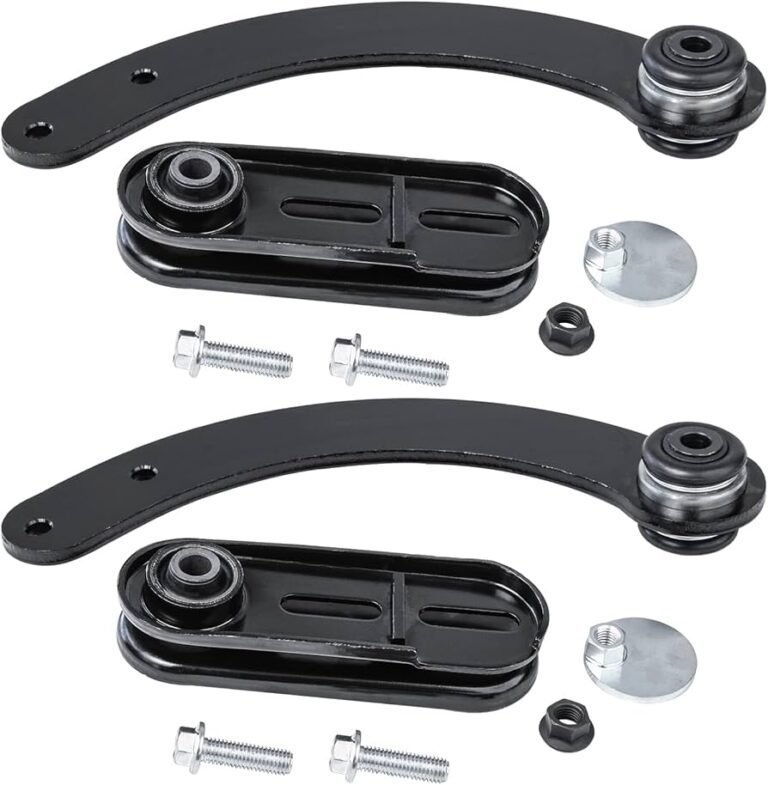
Front suspension parts such as control arms, ball joints, shocks, and bushings can wear over time. Regular inspections help maintain safe steering response.
- ✦ Shock Absorbers
Worn shocks can cause bouncing, poor control, and uneven tire wear.
- ✦ Control Arms and Bushings
Damaged bushings may create noise and reduce suspension stability.
- ✦ Steering Components
Tie rods and steering parts should be checked for looseness or unusual movement.
Signs of Suspension Wear
Common signs include clunking sounds, pulling to one side, uneven tire wear, and excessive body movement during turns.
Replacing worn suspension parts improves comfort and helps protect other vehicle systems.
- ✦ Inspection Benefit
Early suspension checks reduce safety risks and prevent additional damage.
Jeep Liberty Transmission, Axles, and Drivetrain Care
The drivetrain transfers engine power to the wheels. It includes the transmission, driveshaft, differentials, and axle components.
The Jeep Liberty Complete Mechanical 4WD Suspension and Maintenance Guide recommends paying attention to fluid condition because clean fluids reduce friction and heat.
- ✦ Transmission Fluid
Follow the correct service procedure and use the proper fluid type for your model.
- ✦ Driveshaft Inspection
Check joints and components for vibration, noise, or damage.
- ✦ Differential Service
Fresh gear oil helps protect internal gears and bearings.
Manuals and Repair Information
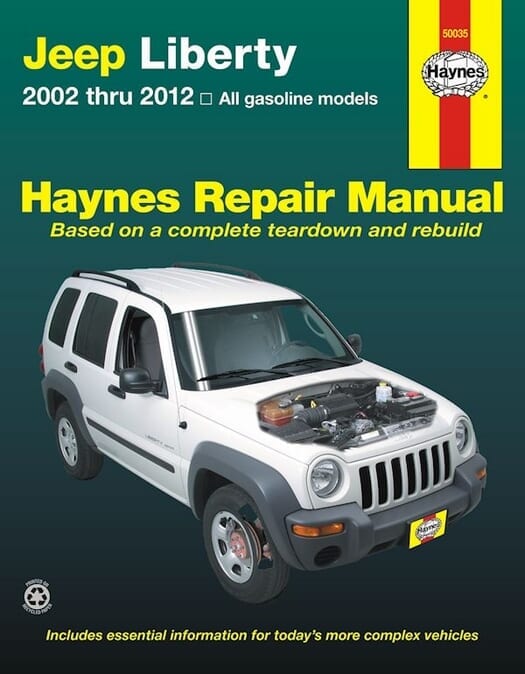
A quality repair manual can help owners understand service procedures, torque specifications, and maintenance schedules.
Professional technicians often use repair information before performing complex drivetrain repairs.
- ✦ Repair Planning
Accurate information helps prevent incorrect repairs and wasted parts.
Jeep Liberty Maintenance Schedule and Best Practices
Following a maintenance schedule is the easiest way to protect your Jeep Liberty. Routine care keeps systems working together and improves reliability.
The Jeep Liberty Complete Mechanical 4WD Suspension and Maintenance Guide recommends combining factory service intervals with real-world inspections based on driving conditions.
- ✦ Every Oil Change
Inspect fluid levels, tires, leaks, and visible engine components.
- ✦ Regular Service
Replace filters, inspect brakes, and check suspension parts.
- ✦ High Mileage Care
Pay attention to aging hoses, seals, mounts, and drivetrain components.