Replace a Jeep turn signal switch in about an hour using basic tools and clear steps.
I’ve worked on many Jeeps and on this page I’ll show step-by-step how to replace jeep turn signal switch safely and with confidence. I explain tools, parts, safety, and common problems. Read on to learn the exact steps, tips from real repairs, and how to avoid mistakes.
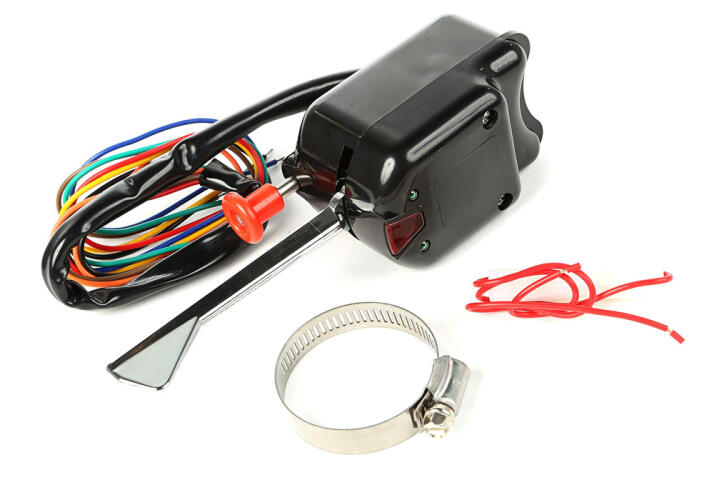
Tools and parts you need
Use the right tools and a good replacement switch. This keeps the job fast and safe. Here is a short checklist of what to have before you start.
- Socket set, commonly 7mm–10mm sockets and a ratchet.
- Torx drivers or bits for steering column covers.
- Flat and Phillips screwdrivers for trim and screws.
- Trim removal tool to avoid breaking plastic.
- New OEM or quality aftermarket turn signal switch.
- Optional: steering wheel puller for some models.
I prefer OEM switches for fit and wiring accuracy. Buy a repair manual or print a wiring diagram for your Jeep model. This helps when you trace wires and connectors.

Safety and preparation
Safety first. A safe job is a fast job.
- Disconnect the negative battery terminal to avoid short circuits and airbag deployment.
- Work in a flat, well-lit area with the wheels straight.
- Wait 10 minutes after disconnecting the battery to let capacitors and airbag systems discharge.
- Wear safety glasses and gloves to protect hands and eyes.
If your Jeep has an airbag on the wheel, follow the factory procedure for disabling and handling it. Treat the airbag with care. A wrong move can be dangerous.

Step-by-step: how to replace jeep turn signal switch
Follow these steps for a typical Jeep (Wrangler, Cherokee, Grand Cherokee). Steps may vary slightly by year and model. Read each step before you act.
- Prepare and disconnect
- Park the Jeep and remove the key.
- Disconnect the negative battery terminal.
- Wait at least 10 minutes to make sure the airbag system is inactive.
- Remove the trim and steering column covers
- Remove screws on the lower column cover using the correct Torx or Phillips driver.
- Use a trim tool to pry covers apart gently.
- Set screws and covers aside in a small tray so you don’t lose them.
- Access the switch
- Locate the turn signal switch assembly. It sits on the steering column under the wheel.
- Depending on model, you may need to remove the steering wheel or lower shroud to reach the switch.
- Disconnect the wiring
- Unplug the electrical connectors on the old switch.
- Press release tabs gently to avoid breaking the plastic.
- If connectors are tight, wiggle while pulling, not prying.
- Remove the old switch
- Remove mounting screws or bolts that hold the switch to the column.
- Slide the switch off carefully. Note how it fits and where wires route.
- Install the new switch
- Position the new switch on the column in the same orientation as the old switch.
- Tighten screws snugly but do not over-torque.
- Reconnect electrical connectors. Ensure a firm click on each plug.
- Reassemble and test
- Reinstall the steering column covers and screws.
- Reconnect the negative battery terminal.
- Test turn signals, hazard lights, high beams, and any linked functions.
- If anything fails, re-check connectors and mounting alignment.
If the turn signal switch sits behind the steering wheel, use a steering wheel puller if needed. I have removed wheels without it and ended up damaging airbag covers. Don’t rush here.

Common problems and troubleshooting after replacement
After you install the switch you might meet a few hiccups. Here are fast checks and fixes.
- Turn signals do not work
- Check fuses, bulbs, and the flasher module. Confirm power and ground at the switch connector.
- Signals work but cancel poorly
- Ensure the switch is aligned and the steering wheel index is correct. Adjust mounting if needed.
- Hazard lights work but turn signals do not
- This often means a bad connection to the signal switch. Re-seat the plug and check continuity.
- Intermittent signals
- Inspect the connector pins for corrosion or bent pins. Clean with electronic cleaner and re-seat.
If problems persist, compare wiring diagrams to ensure the correct switch part. Sometimes a similar model switch lacks a needed function.

Time, cost, and parts selection
Here are realistic expectations to help you plan.
- Time
- Simple jobs without steering wheel removal take 45–90 minutes.
- Complex jobs with airbag or wheel removal take 1.5–3 hours.
- Cost
- Parts: $30–$200 depending on OEM vs aftermarket and Jeep model.
- Labor if done by shop: $80–$200 per hour depending on location.
- Choose parts
- OEM switches match factory features and wiring. They cost more.
- High-quality aftermarket parts save money but check fit and wiring.
I once replaced a switch in 50 minutes with the right part on hand. The wrong aftermarket switch added an extra hour tracing wires. Buy the correct part to save time.

Tips from real repairs and mistakes to avoid
I’ve fixed many Jeeps. Here are the best tips I learned the hard way.
- Label connectors with tape before unplugging to avoid guessing later.
- Take photos of the wiring and column before you pull parts. Photos are lifesavers.
- Do not force plugs. Use a small pick to lift release tabs.
- Keep screws organized. Use a magnetic tray or small containers.
- Avoid cheap switches that have poor terminals. They cause intermittent faults.
- If the steering wheel must be removed, block the wheels to keep alignment.
A real mistake I made once was skipping the wait after battery disconnect. The airbag light stayed on and I had to clear codes later. Wait the full 10 minutes.

Frequently Asked Questions of how to replace jeep turn signal switch
How long does it take to replace a Jeep turn signal switch?
Most DIY jobs take 45–90 minutes. Time grows if the steering wheel or airbag must be removed.
Do I need special tools to replace the switch?
You usually need basic hand tools and Torx bits. A steering wheel puller is needed only for some models.
Can I use an aftermarket switch instead of OEM?
Yes, but ensure the part fits and matches wiring. Cheap switches may cause intermittent problems.
Will disconnecting the battery reset other systems?
Yes. Radio presets, clock, and some settings may reset. Keep radio codes handy if needed.
What if signals work but the hazards do not?
Check the flasher relay and fuse first. If hazards are fine but signals fail, re-check the switch harness and pins.
Conclusion
Replacing a Jeep turn signal switch is a task you can do with basic tools, careful prep, and a clear step-by-step approach. Follow safety steps, buy the right part, and take photos before you remove anything. Start with the battery disconnected, handle airbag systems with care, and test all functions after installation. Try the steps on your Jeep this weekend, and ask questions if you hit a snag — you’ll save time and money by doing it right. Leave a comment below or subscribe for more hands-on Jeep repair guides.