Replace the Jeep fuel pump by removing the fuel tank, swapping the pump assembly, and reconnecting all lines.
I’ve replaced many Jeep fuel pumps over the years, and this guide will walk you through every step with clear, practical advice. You’ll learn how to replace Jeep fuel pump safely, what tools and parts you need, how to test the new pump, and how to avoid common mistakes. Read on for hands-on tips, cost expectations, and troubleshooting so you can complete the job with confidence.

Why your Jeep fuel pump may need replacement and common signs
A failing pump can leave you stranded. The fuel pump moves gasoline from the tank to the engine. When it fails, the engine will sputter or not start.
Common signs you will notice:
- Engine sputters at speed or under load.
- Hard starts or long cranking times.
- Whining noise from the fuel tank when the pump runs.
- Check Engine Light with fuel or pressure codes.
- Sudden stalls with no warning.
Causes of pump failure include age, dirty fuel, low fuel running, and bad electrical connections. Modern Jeep fuel pumps are usually in-tank modules. They last 80,000 to 150,000 miles, depending on use. Knowing these signs helps you act before a failure becomes a breakdown.

Tools, parts, and estimated costs for how to replace jeep fuel pump
Gather tools and parts before you start. Working organized saves time and reduces mistakes.
Essential tools:
- Socket set and ratchet.
- Flat and Phillips screwdrivers.
- Fuel line quick-release tool (if applicable).
- Line wrenches for metal fittings.
- Jack, jack stands, or ramp.
- Torque wrench.
- Safety glasses and gloves.
Parts you will likely need:
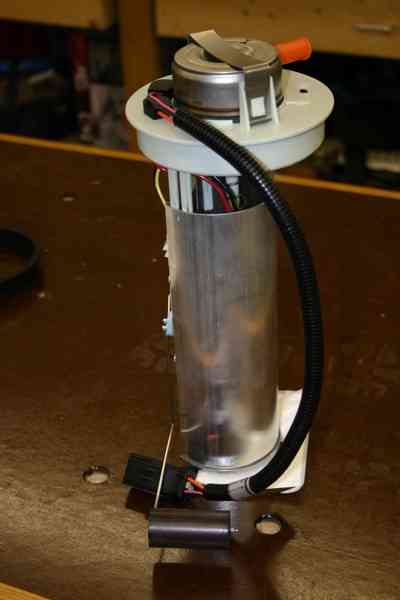
- Replacement fuel pump assembly (in-tank module for most Jeeps).
- New fuel strainer (sock) and O-ring or gasket.
- Fuel filter (if external).
- Fuel line seals or clamps.
- Electrical connector or pigtail if original is corroded.
Estimated costs:
- Aftermarket pump: $80–$300.
- OEM pump/module: $200–$600.
- Fuel filter and small parts: $20–$60.
- Professional labor: $200–500 if you choose a shop.
Buying a quality pump matters. A cheap pump may fail early. I usually opt for a mid-range or OEM part for reliability.

Safety precautions before you replace the Jeep fuel pump
Safety should be your top priority. Fuel is flammable and toxic. Take simple steps to reduce risk.
Key safety steps:
- Work in a well-ventilated area away from open flames.
- Disconnect the negative battery terminal before starting.
- Relieve fuel system pressure per your Jeep service manual.
- Use jack stands; never rely on a jack alone.
- Keep a small fire extinguisher close by.
Also wear gloves and eye protection. Label or photo the wiring and hoses before removal so you can reconnect correctly. These small precautions prevent fires and costly mistakes.

Step-by-step guide: how to replace jeep fuel pump
This section covers a typical in-tank replacement. Your Jeep model may vary slightly, so check the service manual.
Preparation:
- Park on level ground and set the parking brake.
- Disconnect the negative battery terminal.
- Relieve fuel pressure by removing the fuel pump relay and cranking the engine until it stalls, or follow manufacturer steps.
Access the pump:
- If your Jeep has an access panel under the rear seat, remove the seat and panel. Many Cherokees and Wranglers have easy access.
- If no access panel, lower or remove the fuel tank. Support the tank with a jack and straps. Remove straps and lower slowly.
Disconnect lines and wiring:
- Label and disconnect fuel lines. Use a quick-release tool if needed.
- Unplug electrical connectors and fuel gauge wires.
- Clean around the pump area to avoid dirt falling into the tank.
Remove the old pump:
- Remove retaining ring or bolts that hold the pump module.
- Carefully lift the pump assembly out. Watch the float and sender arm.
- Transfer the strainer and any spacers to the new pump if required.
Install the new pump:
- Fit the new strainer and O-ring on the new pump module.
- Lower the new pump assembly into the tank. Ensure the sender arm is in the correct position.
- Reinstall the retaining ring or bolts and torque to spec.
Reconnect and test:
- Reconnect fuel lines and electrical connectors.
- Reinstall the access panel or raise the tank back into position and tighten straps.
- Reconnect the battery and turn the key to the RUN position a few times to prime the pump before starting.
- Start the engine and check for leaks.
Tips from experience:
- Take photos during disassembly. They save time on reassembly.
- Replace the fuel filter at the same time if accessible.
- If connectors are corroded, cut and crimp new pigtails rather than reusing damaged plugs.
How to test and troubleshoot after replacement
After installation, confirm the pump is working correctly. Testing prevents returns and repeat work.
Basic tests:
- Listen for pump prime noise when switching the key to RUN.
- Use a fuel pressure gauge at the Schrader valve or fuel rail to check pressure. Compare to factory spec.
- Scan for codes with an OBD-II reader. Clear codes and retest.
- Inspect for fuel leaks at all connections while the pump runs.
Troubleshooting tips:
- No prime sound: check fuse, relay, and wiring power to the pump.
- Low pressure: clogged filter, incorrect pump, or blocked lines.
- Erratic gauge: sender arm mispositioned or a bad float.
I once swapped a pump and the Jeep still stalled. The issue was a crushed fuel line during reinstall. Re-check hose routing and clamps if problems persist.

Maintenance tips to extend fuel pump life
Small habits extend pump life and reduce future repairs.
Good maintenance habits:
- Replace the fuel filter at recommended intervals.
- Keep the tank at least one-quarter full to avoid overheating the pump.
- Use quality fuel from reliable stations.
- Periodically inspect fuel lines and electrical connectors.
- Clean the fuel tank if contaminated.
Benefits of maintenance include better fuel economy, fewer breakdowns, and longer pump life. I learned to change the filter every other oil change. That habit prevented early pump failures on older Jeeps.

Common mistakes people make when they replace a Jeep fuel pump
Avoid these to finish the job cleanly.
Frequent mistakes:
- Not relieving fuel pressure first, causing fuel spray.
- Reusing old seals or O-rings and causing leaks.
- Failing to prime the pump before starting the engine.
- Overlooking damaged wiring and connectors.
- Skipping a test drive or fuel pressure check after installation.
Catch these early. They will save time and keep you safe.

Frequently Asked Questions of how to replace jeep fuel pump
How long does it take to replace a Jeep fuel pump?
A typical in-tank fuel pump replacement takes 2 to 4 hours for a DIYer with basic tools. Professional shops can often complete the job in 1 to 2 hours.
Can I replace the fuel pump without dropping the tank?
Some Jeep models have an access panel under the rear seat that allows replacement without dropping the tank. If no access panel exists, you will need to lower the tank.
How do I relieve fuel pressure before replacing the pump?
Remove the fuel pump relay or fuse, then crank the engine until it stalls. You can also use the pressure release fitting if your model has one. Always follow the service manual for your Jeep.
Do I need a special fuel line tool to disconnect lines?
Many models use quick-release fittings that require a special disconnect tool. Some lines use threaded fittings and only need a line wrench. Inspect your Jeep’s connections first.
Will replacing the fuel pump reset the Check Engine Light?
Replacing the pump does not automatically clear codes. Use an OBD-II scanner to read and clear codes after confirming the repair. The light may go out after several drive cycles if no faults remain.
Is it better to choose an OEM or aftermarket pump?
OEM parts match factory specs and tend to be more reliable. Quality aftermarket pumps can be a cost-effective choice. Choose reputable brands and check return policies.
Conclusion
You now have a clear, practical roadmap for how to replace Jeep fuel pump safely and correctly. Follow the steps, use the right tools, and double-check fittings and wiring to avoid common pitfalls. If you take your time and test the system afterward, you’ll save money and gain confidence in DIY vehicle work.
Take action: gather parts and tools, review your Jeep’s service manual, and plan a safe workday. If you enjoyed this guide, leave a comment with your Jeep model and experience or subscribe for more hands-on repair guides.