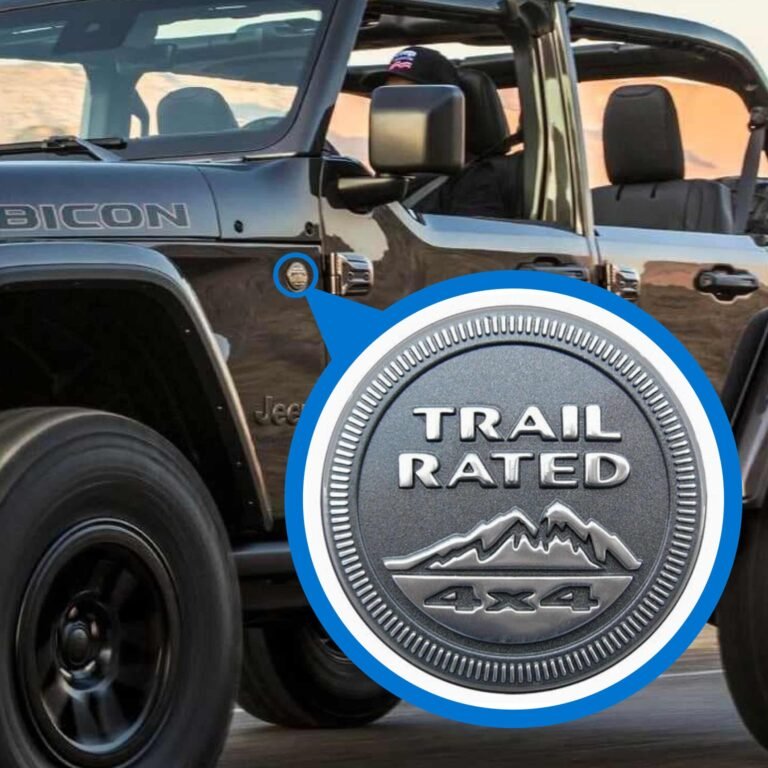
The Jeep Wrangler maintenance Schedule and Routine Service Requirements help owners protect one of America’s most popular adventure vehicles. A Wrangler is built for daily driving, weekend trails, and demanding conditions, but it still needs consistent care to perform well.
After working with vehicle maintenance guides, one thing becomes clear: small services prevent large problems. A simple oil change, tire inspection, or fluid check can save owners from expensive repairs later.
The right maintenance plan depends on your Wrangler model year, engine type, driving habits, and terrain. A city-driven Wrangler may follow normal intervals, while an off-road Jeep may need more frequent inspections.

Understanding the Jeep Wrangler Maintenance Schedule and Routine Service Requirements
The Jeep Wrangler Maintenance Schedule and Routine Service Requirements are designed around time and mileage. Jeep owners should not wait until a warning light appears because many problems develop slowly.
Routine maintenance includes engine oil changes, tire care, brake checks, fluid inspections, battery tests, and drivetrain service. These tasks keep the Wrangler safe and help maintain resale value.

- ✦ Mileage-based maintenance
Service tasks are usually scheduled around mileage milestones such as 5,000 miles, 10,000 miles, and higher intervals.
- ✦ Driving condition checks
Heavy towing, dusty roads, water crossings, and off-road use may require earlier service.
Why regular maintenance matters for Wrangler owners
A Jeep Wrangler uses strong components, but strength does not remove the need for care. Regular inspections help identify wear before it becomes a breakdown.
Many experienced Jeep owners keep a service log. This makes it easier to track repairs, warranty work, and future maintenance needs.
- ✦ Better reliability
Regular service reduces the chance of unexpected mechanical problems.
Jeep Wrangler Oil Change and Engine Service Requirements
Engine oil is one of the most important parts of the Jeep Wrangler Maintenance Schedule and Routine Service Requirements. Clean oil protects moving engine parts and helps control heat.
Most modern Wrangler models use synthetic oil, but owners should always follow the recommended oil type listed in the owner’s manual. Driving style can change how often oil should be replaced.

- ✦ Check oil level often
Inspect engine oil between services, especially before long trips or off-road adventures.
- ✦ Replace filters when needed
A clean oil filter helps remove dirt and protects engine performance.
Signs your Wrangler needs engine attention
Common signs include unusual engine sounds, low oil warnings, rough performance, or reduced fuel economy.
Early inspection can prevent minor issues from becoming major engine repairs.
- ✦ Warning lights
Dashboard alerts should be checked quickly instead of ignored.
Essential Jeep Wrangler Fluid Maintenance
Fluids keep many Wrangler systems working correctly. The transmission, transfer case, differentials, cooling system, and brakes all depend on proper fluid levels and quality.
For drivers who explore trails, fluid checks become even more important. Water and mud exposure can affect seals and increase contamination risks.

- ✦ Transmission fluid
Inspect according to the manufacturer schedule to support smooth shifting.
- ✦ Coolant system
Maintain proper coolant levels to prevent overheating during demanding drives.
- ✦ Differential and transfer case fluids
Off-road use may require more frequent inspection and replacement.
Why off-road drivers need extra fluid checks
Rock crawling, deep mud, and water crossings place extra stress on drivetrain parts. A quick inspection after tough trips can reveal leaks or damage.
Many Jeep enthusiasts check underneath the vehicle after trail days because small leaks are easier to fix early.
Jeep Wrangler Tire, Brake, and Suspension Maintenance
Tires, brakes, and suspension parts directly affect safety and driving comfort. These systems receive extra stress because Wrangler owners often drive on uneven roads.
A good Jeep Wrangler Maintenance Schedule and Routine Service Requirements plan always includes regular tire rotation, brake inspection, and suspension checks.

- ✦ Tire inspections
Check tire pressure, tread wear, and damage before daily driving or trail trips.
- ✦ Brake checks
Inspect brake pads, rotors, and brake fluid condition.
- ✦ Suspension inspection
Look for worn bushings, loose parts, or damage after off-road use.
Maintaining Wrangler tires for different driving needs
Street-focused owners may prioritize comfort and fuel efficiency, while off-road drivers often choose stronger tires with aggressive tread.
Proper tire pressure improves handling, tire life, and overall safety.
Recommended Jeep Wrangler Service Intervals by Mileage
Following mileage intervals creates a simple maintenance routine. While exact requirements vary by model year, most Wrangler owners can use mileage checkpoints as a guide.
Always compare your schedule with the official owner’s manual because engine options and model updates can change service needs.

- ✦ Around 5,000 miles
Common tasks include oil service, tire rotation, and general inspection.
- ✦ Around 15,000 to 30,000 miles
Inspect filters, brakes, fluids, and vehicle systems.
- ✦ Around 60,000 miles and beyond
More detailed inspections may include drivetrain fluids and major wear components.
High mileage Wrangler maintenance tips
Older Wranglers can remain reliable when owners follow preventive maintenance. High mileage vehicles benefit from careful inspections of rubber parts, seals, and suspension components.
A maintenance history often matters more than mileage alone when evaluating a used Jeep Wrangler.