Apply fresh chassis grease to zerk fittings, joints, and bushings every 3–6 months.
I have worked on Jeeps for years and I will show clear, safe steps for how to grease jeep suspension components. This guide explains what parts you can grease, what to avoid, which grease to use, and a simple step-by-step process. Read on for practical tips, safety checks, and real-world lessons that make maintenance fast and reliable.

Why greasing matters for Jeep suspension
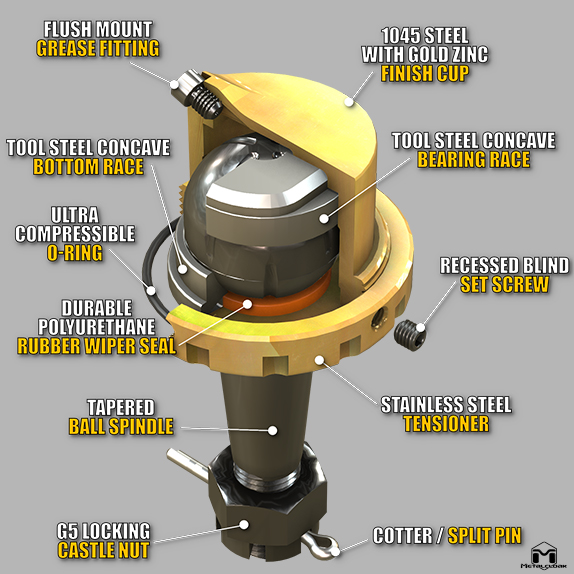
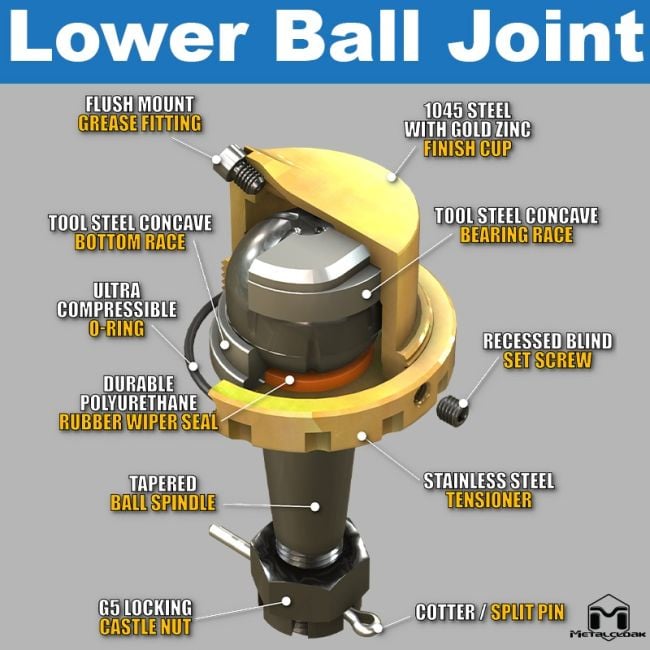
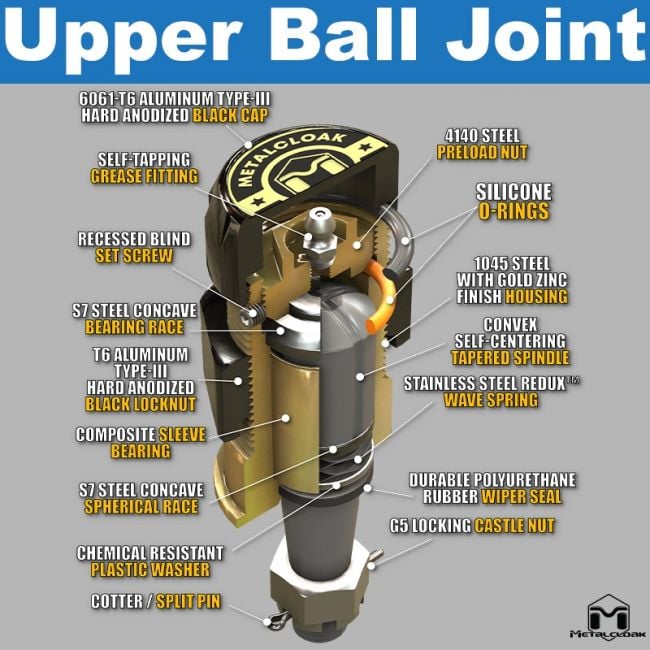
Grease keeps metal parts from rubbing and wearing out. Regular greasing reduces noise, improves steering feel, and helps prevent rust and failure. Knowing how to grease jeep suspension components helps you protect parts like ball joints and tie rod ends and avoid costly repairs. Proper service also keeps your Jeep safe on and off road.
Tools and materials needed
Prepare these items before you begin. Simple tools make the job faster and safer.
- Grease gun. Use a hand or cordless grease gun that fits zerk fittings.
- Chassis grease. Use an NLGI 2 lithium or moly-heavy chassis grease made for suspension.
- Grease coupler and needle adapter. For tight fittings and sealed boots.
- Jack, jack stands, and wheel chocks. Never rely on a jack alone.
- Clean rags and a wire brush. Clean fittings before greasing.
- Safety gloves and eye protection. Grease is messy and can sting eyes.
I prefer a quality grease gun with a flex hose. It saves time when greasing hard-to-reach fittings.
Step-by-step: how to grease jeep suspension components
Follow these clear steps for safe greasing. Work on one wheel at a time.
- Park and secure the Jeep.
- Park on level ground and engage the parking brake.
- Place wheel chocks behind the opposite wheels.
- Loosen lug nuts slightly.
- Break the lug nuts before lifting the vehicle.
- Lift and support.
- Use a jack to lift the corner. Set jack stands under the frame.
- Ensure the Jeep sits firmly before you start work.
- Locate zerk fittings.
- Common fittings are on ball joints, tie rod ends, control arms, and sway bar end links.
- Check the owner’s manual to find every fitting on your model.
- Clean each fitting.
- Use a rag or wire brush to remove dirt and rust.
- A clean fitting prevents contamination of the grease.
- Attach the grease gun.
- Snap the coupler onto the zerk fitting or use the needle adapter for tight spots.
- Pump slowly. Watch for old grease and contaminants to flow out.
- Pump until you see fresh grease.
- Stop when fresh grease appears at the joint boot or when grease resistance increases.
- Avoid pumping until boot bursts. Stop early if the boot expands too much.
- Wipe excess grease.
- Remove spilled grease with a clean rag to prevent dirt buildup.
- Inspect boots and seals.
- Replace torn boots or leaking seals. Greasing a damaged boot is only a short fix.
- Lower the Jeep and torque the lug nuts.
- Tighten lug nuts to the manufacturer torque spec.
I once over-pressured a ball joint boot and split it. Now I pump slowly and watch the boot. Small care saves parts.

Maintenance schedule and frequency
How often you service depends on use and conditions. For normal street use, check fittings every 6 months or 6,000 miles. For off-road, mud, or salt exposure, inspect and grease every 3 months or after heavy trips. Always check fittings during oil changes or tire rotations.

Which suspension parts can and cannot be greased
Know which parts accept grease and which are sealed.
- Parts you can grease
- Ball joints with zerk fittings.
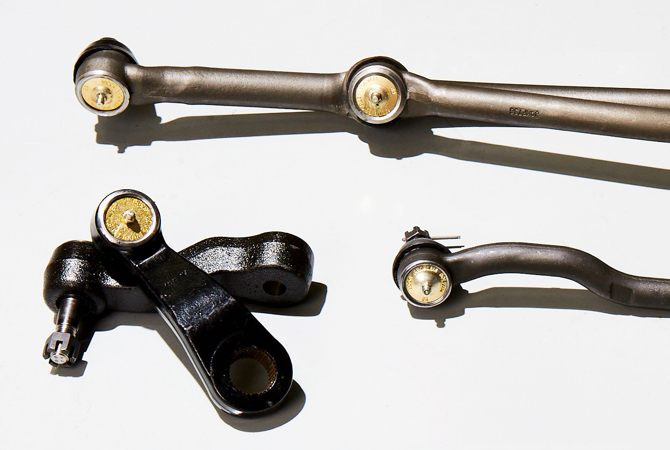
- Tie rod ends with zerk fittings.
- Sway bar end links that have grease fittings.
- Control arm pivot points with zerk fittings.
- Parts often sealed (do not attempt to grease)
- Factory-sealed ball joints without fittings.
- Many modern tie rod ends and rack ends.
- Bushings that are rubber molded without fittings.
- Other items
- Wheel bearings require separate service and special grease and tools.
- Shock absorbers are sealed and not greased.
If you cannot find a fitting, consult the service manual. Forcing grease into a sealed part can destroy it.

Common mistakes and troubleshooting
Avoid these easy errors.
- Using the wrong grease
- Do not use household grease or motor oil. Use chassis grease rated for suspension.
- Over-greasing
- Too much grease can split boots or push contaminants into the joint.
- Greasing sealed parts
- Forcing grease into sealed parts will ruin the seal.
- Not cleaning fittings
- Dirt on the fitting pushes into the joint. Always clean first.
- Ignoring damaged boots
- If a boot is torn, replace it rather than just greasing.
If a joint still squeaks after greasing, inspect for play. Grease fixes wear symptoms but not worn parts.
Tips for longevity and best practice
Small habits extend part life. These tips come from years of garage work and trails.
- Keep a log. Note dates and miles when you grease each fitting.
- Inspect boots at every visit. A small tear grows fast on trails.
- Use a flex hose on the grease gun for hard-to-reach fittings.
- Store grease in a cool, dry place. Contaminated grease shortens life.
- Replace zerk fittings if they rust or leak. A capped fitting saves the joint.
When trail riding, I grease before a trip and again after a muddy run. It keeps parts quiet and healthy.
Frequently Asked Questions of how to grease jeep suspension components
What grease should I use on Jeep suspension?
Use a chassis grease rated NLGI 2, lithium-complex or molybdenum-enhanced for heavy load parts. These greases handle water and pressure better than general-purpose grease.
How often should I grease suspension fittings?
Inspect and grease every 3–6 months depending on use. Off-road or wet conditions need more frequent greasing.
Can I grease sealed ball joints?
Do not try to grease sealed ball joints. For sealed joints, replace the entire unit if it wears or leaks.
How much grease should I apply to a fitting?
Pump slowly and stop when fresh grease appears at the boot or when resistance rises. Over-greasing can split boots or push out seals.
Is it safe to grease with the wheel off the ground?
Yes, but always use jack stands and chock other wheels. Never work under a car supported only by a jack.
What if a fitting is clogged or missing?
Clean the fitting with a wire brush or replace a damaged zerk fitting. If missing, install a new grease fitting before applying grease.
Will greasing fix a noisy suspension joint?
Grease can quiet joints caused by dryness, but worn parts must be replaced. If noise continues, inspect for play or damaged components.
Conclusion
Greasing your Jeep regularly keeps parts moving smoothly and prevents costly failures. Learn which parts accept grease, use the right grease and tools, and follow the step-by-step routine to do the job safely. Start with one corner, keep a simple log, and greasing will be quick and effective. Try these steps on your Jeep this weekend, leave a comment with your results, or subscribe for more hands-on tips.