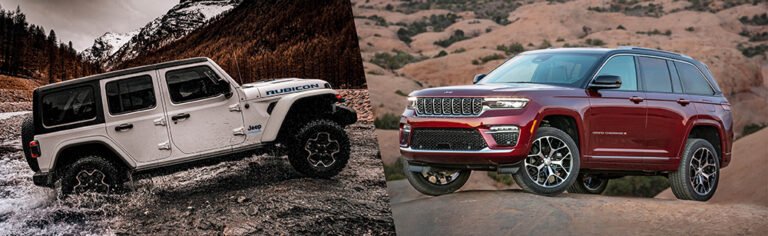
The Jeep Wrangler Automatic Transmission System Explained guide helps drivers understand one of the most important parts of their vehicle. Whether you use your Wrangler for highway trips, daily commuting, or weekend trails across the United States, the transmission plays a key role in performance, comfort, and reliability.
After working with vehicle systems and studying common Wrangler service issues, one lesson stands out: many transmission failures start with small warning signs. Knowing how the system works makes it easier to maintain your Jeep and avoid costly repairs.
Modern Jeep Wrangler models use computer-controlled automatic transmissions that adjust gear changes based on speed, engine load, and driving conditions. This technology gives drivers smoother shifts while keeping the legendary Wrangler off-road ability.

What Is the Jeep Wrangler Automatic Transmission System?
The Jeep Wrangler Automatic Transmission System Explained begins with understanding its basic purpose. The transmission connects the engine to the wheels and controls how much power reaches the drivetrain.
Unlike a manual transmission, an automatic transmission changes gears without requiring the driver to press a clutch pedal. It uses hydraulic pressure, electronic sensors, and internal gear sets to select the correct gear.
- ✦ Power Transfer
The transmission changes engine power into usable force for acceleration, climbing, towing, and off-road movement.
- ✦ Automatic Gear Control
The vehicle computer decides when to shift based on speed, throttle input, and driving conditions.
- ✦ Driving Comfort
Automatic systems reduce driver effort during traffic and long highway journeys.
How Automatic Gear Shifting Works
When you press the accelerator, sensors send information to the transmission control module. The system then chooses the best gear to balance power and fuel efficiency.
Inside the transmission, components such as planetary gear sets, clutches, and torque converters work together to create smooth gear changes.
- ✦ Torque Converter
This component connects the engine and transmission while allowing smooth power delivery.
Jeep Wrangler Automatic Transmission Types by Generation
The Jeep Wrangler Automatic Transmission System Explained changes depending on the model year. Jeep has used several automatic transmissions across Wrangler generations.
Older models often used simpler transmissions, while newer Wranglers feature advanced multi-speed systems designed for better performance and efficiency.

- ✦ 4-Speed Automatic Transmission
Found in some older Wrangler models, these transmissions are known for simple design and durability.
- ✦ 5-Speed Automatic Transmission
Many Wrangler JK models used five-speed automatic units with improved shifting performance.
- ✦ 8-Speed Automatic Transmission
Newer Wrangler models use eight-speed transmissions for smoother operation and improved fuel control.
Why Transmission Type Matters
Knowing your Wrangler transmission type helps you choose the correct fluid, service schedule, and repair approach. Each transmission has different maintenance needs.
A transmission designed for off-road use must handle heat, heavy loads, steep climbs, and changing terrain.
Main Components Inside a Jeep Wrangler Automatic Transmission
A Jeep Wrangler automatic transmission contains many precision parts that work together. Understanding these parts helps explain why regular maintenance matters.
The transmission must handle engine torque while operating in different environments. From desert trails to snowy roads, every component has an important role.

- ✦ Torque Converter
Transfers engine power smoothly and allows the engine to keep running while the vehicle stops.
- ✦ Planetary Gear Sets
Create different gear ratios for acceleration, cruising, and low-speed driving.
- ✦ Transmission Control Module
Uses electronic information to manage shift timing and performance.
- ✦ Transmission Fluid
Lubricates parts, controls heat, and supports hydraulic operation.
Common Jeep Wrangler Automatic Transmission Problems
Understanding common issues is an important part of the Jeep Wrangler Automatic Transmission System Explained. Early detection can prevent major damage.
Many transmission problems develop slowly. Drivers may notice unusual noises, delayed shifts, or changes in driving feel before complete failure happens.

- ✦ Hard Shifting
A harsh shift may happen because of old fluid, sensor issues, or internal wear.
- ✦ Transmission Slipping
Slipping occurs when the transmission cannot properly transfer engine power.
- ✦ Delayed Engagement
A delay when moving from park to drive can indicate hydraulic or mechanical problems.
- ✦ Overheating
High temperatures can damage internal parts and reduce transmission life.
Warning Signs Drivers Should Watch
Drivers should pay attention to burning smells, fluid leaks, warning lights, and unusual noises. These signs often appear before serious transmission damage.
A professional inspection can identify problems before a complete rebuild becomes necessary.
Jeep Wrangler Automatic Transmission Maintenance Tips
Proper maintenance is the foundation of a reliable Jeep Wrangler Automatic Transmission System Explained strategy. A well-maintained transmission can perform better and last longer.
Wrangler owners who drive in extreme conditions should pay extra attention because towing, mud, rocks, and heat can increase transmission stress.

- ✦ Check Transmission Fluid
Inspect fluid condition and follow the recommended service schedule for your model.
- ✦ Avoid Excessive Heat
Cooling systems and proper driving habits help protect transmission performance.
- ✦ Use Correct Fluid
Always use the fluid type recommended for your specific Wrangler transmission.
- ✦ Scan Warning Codes
Diagnostic tools can reveal electronic transmission problems early.