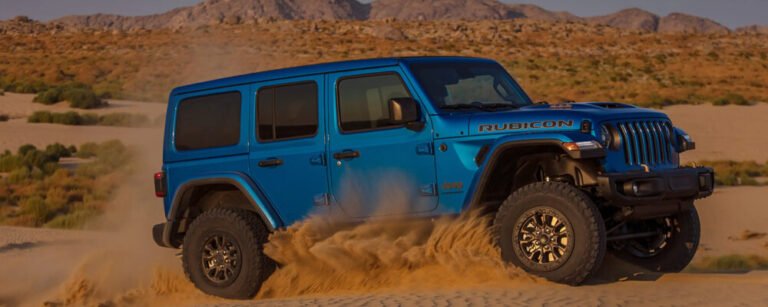
The Jeep Gladiator gives U.S. drivers a unique mix of pickup truck utility and Jeep off-road ability. Many owners use it for campers, boats, utility trailers, and adventure gear. However, safe towing depends on more than the advertised tow rating. The right setup requires careful weight planning.
After working with truck setups and towing systems, one lesson stays clear: weight balance matters more than simply pulling a heavy trailer. A Jeep Gladiator towing trailer setup and weight management plan should consider trailer size, cargo placement, tire condition, braking systems, and road conditions before every trip.

Understanding Jeep Gladiator Towing Capacity and Weight Ratings
The first step in Jeep Gladiator towing trailer setup and weight management is understanding the truck’s weight limits. The maximum towing capacity depends on the model year, engine, axle ratio, trim level, and available tow equipment.
A Gladiator owner should check the vehicle door label, owner’s manual, and factory specifications before choosing a trailer. The tow rating is only one number. The truck must also stay within its payload rating, gross vehicle weight rating, and axle limits.
- ✦ Maximum Trailer Weight
This shows how much total trailer weight the Gladiator can pull under ideal factory conditions.
- ✦ Payload Capacity
Payload includes passengers, cargo, accessories, and trailer tongue weight carried by the truck.
- ✦ Gross Vehicle Weight Rating
GVWR is the maximum safe combined weight of the truck itself, passengers, and cargo.
Why Weight Ratings Matter
Many towing problems happen because drivers focus only on trailer weight. A trailer may be below the tow limit but still overload the truck when passengers and gear are added.
- ✦ Safety First
Correct weight limits improve braking, steering response, and overall control.
Building the Right Jeep Gladiator Trailer Setup
A successful Jeep Gladiator towing trailer setup and weight management process starts with matching the trailer to the truck. A lightweight camper, small boat trailer, or cargo trailer usually works better than choosing the largest trailer possible.
The hitch system, trailer connection, safety chains, electrical plug, and brake controller should all work together. Each part plays a role in keeping the trailer stable during highway driving.

- ✦ Choose the Correct Hitch
Use a hitch receiver and ball mount that match the trailer’s weight class and tongue height.
- ✦ Install Trailer Brakes
Heavier trailers should use properly adjusted trailer brakes for better stopping control.
- ✦ Check Electrical Connections
Test trailer lights and brake controller operation before every trip.
Essential Towing Equipment
Common towing upgrades include weight-rated hitch parts, towing mirrors, trailer brake controllers, and improved recovery gear for outdoor trips.
- ✦ Safety Chains
Chains provide a backup connection if the main hitch connection fails.
Managing Trailer Weight Distribution and Tongue Weight
Weight distribution is one of the most important parts of Jeep Gladiator towing trailer setup and weight management. A trailer that carries too much weight at the front can overload the rear suspension, while too little tongue weight can cause dangerous trailer sway.
Most towing experts recommend keeping the trailer load balanced and placing heavier items low and near the trailer axle area. This creates a more stable towing experience on highways and uneven roads.

- ✦ Keep Heavy Items Low
Low cargo placement lowers the trailer center of gravity and improves stability.
- ✦ Avoid Rear-Heavy Loading
Too much weight behind the trailer axle can increase sway and reduce control.
How to Measure Tongue Weight
Tongue weight is the downward force placed on the Gladiator hitch by the trailer. Measuring it helps confirm that the truck and trailer combination stays balanced.
- ✦ Use Proper Tools
A tongue weight scale or certified measuring method gives more accurate results.
Jeep Gladiator Payload Management for Towing Trips
Payload management is often overlooked when preparing a Jeep Gladiator towing trailer setup and weight management plan. The truck carries more than the trailer connection. Passengers, camping equipment, tools, coolers, and aftermarket parts all reduce available payload.
Roof racks, steel bumpers, winches, and larger tires add weight before you even load your travel gear. Owners who use their Gladiator for adventure trips should calculate these changes carefully.

- ✦ Count Passenger Weight
Every passenger reduces the remaining payload available for cargo and tongue weight.
- ✦ Consider Accessories
Heavy modifications can reduce practical towing capacity.
Common Payload Mistakes
A common mistake is adding camping equipment without checking total truck weight. A simple weight calculation before departure can prevent handling issues.
- ✦ Create a Cargo List
Write down major items and estimated weights before loading.
Driving Techniques for Safe Jeep Gladiator Towing
Even a perfect Jeep Gladiator towing trailer setup and weight management system requires good driving habits. Towing changes acceleration, braking distance, turning behavior, and fuel use.
Drivers should allow more space for stops, avoid sudden steering movements, and reduce speed during poor weather. These habits are especially important when towing on long U.S. highway routes.

- ✦ Brake Earlier
A loaded trailer increases stopping distance compared with normal driving.
- ✦ Control Speed
Moderate speeds improve stability and reduce trailer movement.
- ✦ Inspect Frequently
Check tires, straps, lights, and connections during long trips.
Handling Trailer Sway
If trailer sway occurs, avoid aggressive steering corrections. Reduce throttle, allow the combination to slow, and check the cause after stopping safely.
- ✦ Check Load Balance
Uneven cargo placement is a common reason for trailer instability.
Preparing the Jeep Gladiator Before a Towing Trip
A reliable Jeep Gladiator towing trailer setup and weight management routine includes a complete inspection before leaving home. Small problems can become major safety issues when towing heavy loads.
Check tire pressure, engine fluids, hitch connections, trailer lights, and brake operation. A few minutes of preparation can protect your vehicle and your cargo.

- ✦ Inspect Tires
Correct tire pressure supports better handling and reduces heat buildup.
- ✦ Check Hitch Hardware
Loose hitch parts can create unsafe towing conditions.
A Simple Pre-Trip Checklist
Many experienced owners follow the same inspection routine before every trip. Consistency helps prevent forgotten steps.
- ✦ Test Everything
Confirm lights, brakes, connections, and cargo security before driving.