Jeep vehicles are built for many types of driving, from daily highway trips in the USA to demanding trails, towing, and harsh weather conditions. The systems that make a Jeep capable depend on clean and correctly matched fluids. Ignoring these fluids can slowly reduce performance and create expensive repairs.
In my experience studying vehicle maintenance, many Jeep problems start with simple fluid neglect. A small leak, old oil, or contaminated transmission fluid may not show major symptoms at first. However, regular service keeps critical parts working smoothly and helps your Jeep last longer.
This complete guide to Jeep Maintenance Fluids: Oil Coolant Brake Transmission Differential and Transfer Case explains what each fluid does, when to replace it, and how proper maintenance supports Jeep reliability.
Why Jeep Maintenance Fluids Matter for Performance and Reliability
Jeep Maintenance Fluids: Oil Coolant Brake Transmission Differential and Transfer Case are not just routine service items. These fluids reduce friction, control heat, transfer power, and protect expensive mechanical parts.
A Jeep often faces more stress than a regular passenger vehicle. Off-road driving, mud, water crossings, heavy loads, and extreme temperatures can place extra pressure on fluid systems.
- ✦ Reduce wear
Fresh fluids create proper lubrication and reduce damage between moving parts.
- ✦ Control heat
Coolant, oil, and transmission fluids help remove heat from critical components.
- ✦ Improve reliability
Regular fluid care lowers the chance of sudden mechanical failures.
Engine Oil: The Foundation of Jeep Maintenance
Engine oil is one of the most important parts of Jeep Maintenance Fluids: Oil Coolant Brake Transmission Differential and Transfer Case. It keeps engine parts moving smoothly by reducing friction and carrying away heat.
Modern Jeep engines use advanced designs that require the correct oil grade and quality standard. Always follow the owner’s manual because different Jeep models may require different oil specifications.

- ✦ Oil change timing
Many Jeep owners follow mileage-based service schedules, but severe driving conditions may require more frequent changes.
- ✦ Signs of oil problems
Low oil levels, dark dirty oil, engine noise, or warning lights can indicate the need for inspection.
Choosing the Right Jeep Engine Oil
The correct oil depends on the engine type, model year, climate, and manufacturer recommendations. Using the wrong oil may affect protection and performance.
- ✦ Synthetic oil
Synthetic oil often provides strong protection during temperature changes and heavy use.
Coolant: Protecting Your Jeep Engine From Heat
Coolant is a key part of Jeep Maintenance Fluids: Oil Coolant Brake Transmission Differential and Transfer Case because it controls engine temperature. Without proper coolant, an engine can overheat and suffer serious damage.
Coolant does more than prevent overheating. It also helps protect the cooling system from rust, corrosion, and freezing temperatures.
- ✦ Check coolant level
Inspect the coolant reservoir regularly and look for sudden drops that may indicate leaks.
- ✦ Use correct coolant
Always use coolant that matches Jeep specifications and avoid mixing incompatible types.
Brake Fluid: Maintaining Jeep Stopping Power
Brake fluid transfers pressure from the brake pedal to the braking system. Clean fluid helps your Jeep stop safely in traffic, on trails, and during towing situations.
Over time, brake fluid can absorb moisture from the air. This can reduce braking performance and may damage brake components.
- ✦ Brake fluid inspection
Check fluid color, level, and service history during regular maintenance.
- ✦ Brake safety
Soft brake pedals or reduced braking response should be inspected quickly.
Transmission Fluid: Protecting Jeep Gear Performance
Transmission fluid allows automatic and manual transmissions to shift smoothly. It reduces heat and protects internal parts from wear.
Jeep Maintenance Fluids: Oil Coolant Brake Transmission Differential and Transfer Case includes transmission care because transmission repairs can be costly. Proper fluid level and condition are important for long-term operation.

- ✦ Transmission warning signs
Delayed shifting, slipping gears, or unusual noises may point to transmission fluid issues.
- ✦ Service needs
Follow Jeep recommendations because some transmissions require specific fluids and procedures.
Automatic Transmission Fluid Care
Automatic Jeep transmissions depend on precise fluid performance. Incorrect fluid can affect shifting quality and internal protection.
Differential Fluid: Protecting Jeep Axles and Gears
Differential fluid protects the gears that send power from the driveshaft to the wheels. This fluid is especially important for Jeep owners who drive off-road or tow heavy loads.
Dirty or low differential fluid can increase friction and heat. Over time, this may damage gears and reduce drivetrain performance.

- ✦ Front and rear differentials
Many Jeep models have separate front and rear differentials that may require individual service.
- ✦ Off-road impact
Water crossings and extreme terrain can increase the need for inspections.
Transfer Case Fluid: Keeping Jeep 4×4 Systems Working
The transfer case is the heart of a Jeep 4×4 system. It distributes power between the front and rear axles and allows different drive modes.
Jeep Maintenance Fluids: Oil Coolant Brake Transmission Differential and Transfer Case must include transfer case fluid because poor maintenance can affect four-wheel-drive operation.

- ✦ Transfer case protection
Clean fluid helps protect gears, chains, and internal components.
- ✦ Inspect after off-road use
Heavy trail use can introduce moisture or contaminants into drivetrain fluids.
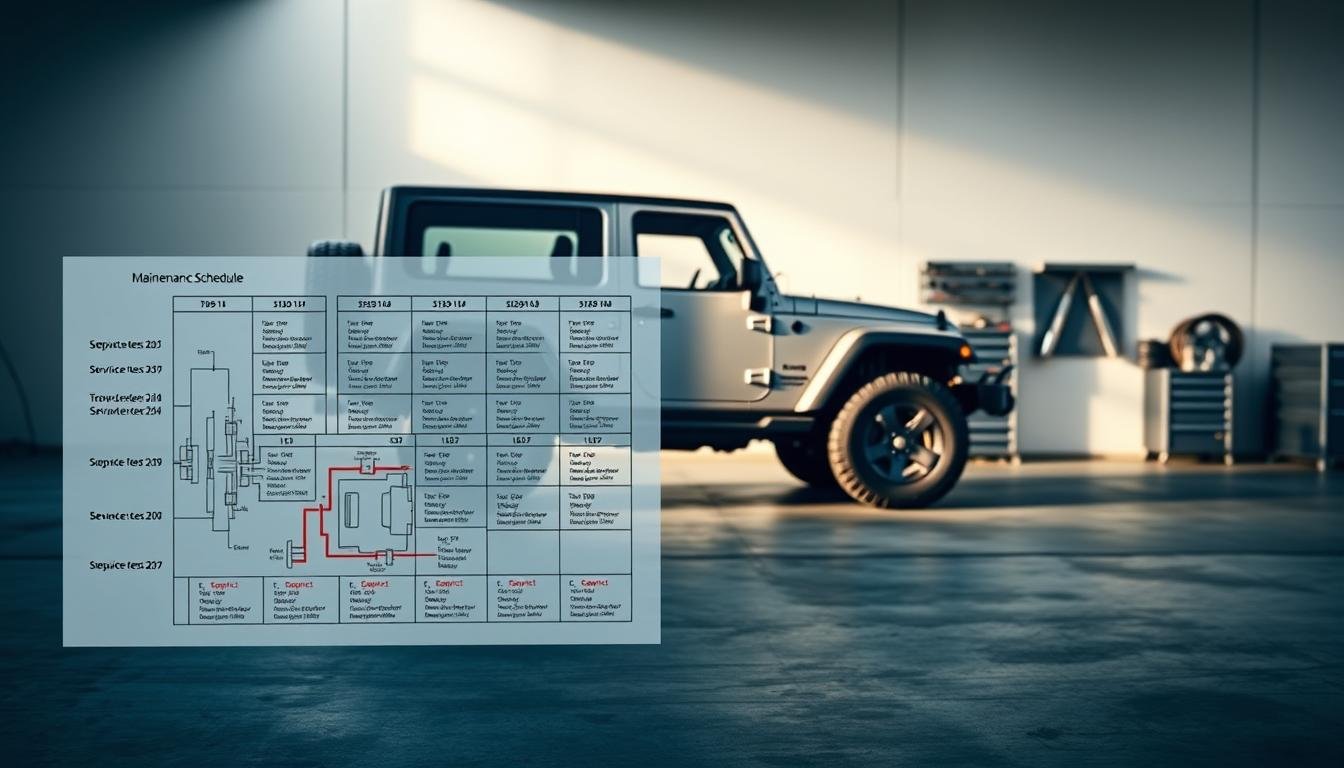
Jeep Fluid Maintenance Schedule and Best Practices
A good maintenance plan depends on your Jeep model, driving habits, and environment. A daily commuter Jeep may need less frequent service than one used for towing or rock crawling.
Keeping service records helps track fluid changes and prevents missed maintenance. This simple habit can protect your investment.

- ✦ Review owner manual
Use Jeep’s recommended intervals as the starting point for maintenance planning.
- ✦ Inspect for leaks
Fluid spots under your Jeep may indicate problems that need attention.
- ✦ Use quality fluids
Correct fluids help maintain factory performance and protection.