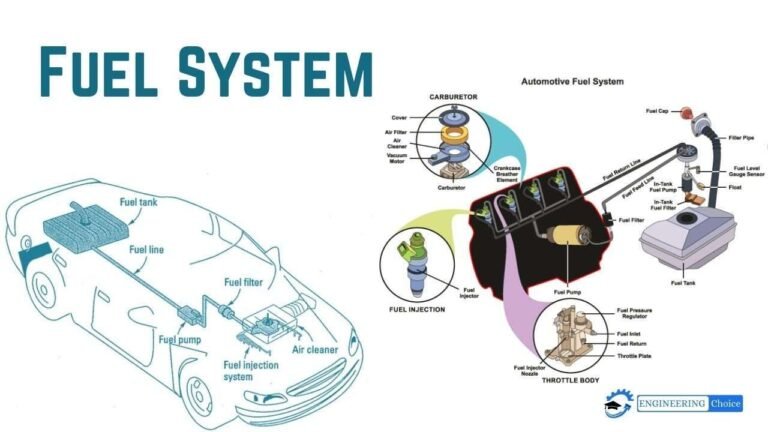
Unplug the battery, locate and remove the old sensor, fit the new crankshaft sensor, then clear codes.
I’ve swapped crankshaft sensors on many Jeeps over the years. This guide on how to replace jeep crankshaft sensor walks you through each step. I explain tools, safety, model differences, testing, and common mistakes. Read on for clear, hands-on help that saves time and money.

Understanding the crankshaft position sensor
The crankshaft position sensor reads crank rotation. It tells the engine computer when cylinders fire. A bad sensor makes a Jeep stall, run rough, or fail to start. Knowing how the sensor works helps you diagnose the issue fast.
Common symptoms that mean you may need to replace the sensor:
- Engine stalls or dies while driving.
- No start or hard start.
- Check Engine Light on with misfire codes.
- Poor fuel economy or rough idle.
Why replacement matters:
- A bad sensor breaks engine timing feedback.
- The vehicle may limp or go into limp mode.
- Fixing the sensor restores normal engine control.
Codes tied to a failing sensor: A scan tool will most often return P0335 (crankshaft position sensor circuit malfunction) or P0336/P0338/P0339 (related signal or performance codes). On older 4.0L TJ Wranglers, you may instead see P0219, P0320, P0387, or P0388.
A known failure pattern: On many 1997–2006 4.0L engines, the sensor can develop an intermittent heat-soak failure — it works fine cold but causes a stall or no-restart once the engine is fully warmed up, then works again after it cools. If your symptoms match that pattern, the crank sensor is a strong suspect even without a stored code.
Crank sensor vs. cam sensor: These are different parts with similar-looking connectors, and mixing up their wiring is one of the most common DIY mistakes on this job (see “Common mistakes” below). The crankshaft sensor reads crank rotation directly; the camshaft sensor reads cam rotation to tell the computer which stroke each cylinder is on. If your code is P0340-series instead of P0335-series, you likely need the cam sensor, not the crank sensor.
Where the Crankshaft Sensor Is Located, by Jeep Model
| Engine / Platform | Typical Sensor Location | Access Notes |
|---|---|---|
| 4.0L inline-six (XJ Cherokee, TJ Wrangler, ZJ/WJ Grand Cherokee) | Top of the transmission bellhousing, driver’s side | Often reachable without removing the intake; a crow-foot wrench can help in tight spaces |
| 3.6L / 3.8L V6 (JK/JL Wrangler, WK2 Grand Cherokee) | Location varies by engine and application; typically near the rear or lower portion of the engine/transmission interface | Access may require working from underneath and removing shields or other components, depending on the model |
| 2.0L / 2.4L four-cylinder (Patriot, Compass, Renegade) | Location varies by engine and model year, commonly near the engine/transmission area | Access from underneath may be easier than from the engine bay on some applications |
If you’re not sure which engine your Jeep has, check the underhood emissions label, vehicle identification information, or owner’s manual before ordering a replacement. Crankshaft position sensors are not universally interchangeable across engines and platforms, so verify the exact application before buying a part.

Source: youtube.com
Tools and parts you’ll need
Gather parts and basic tools before you start. A short parts list saves time.
Essential parts:
- Replacement crankshaft sensor matched to your Jeep model.
- New sensor O-ring if required.
- Confirm sensor type before buying: most Jeep crank sensors are Hall-effect (3-wire) or magnetic/inductive (2-wire) — check your old sensor’s connector or your parts-store listing so the replacement matches.
Essential tools:
- Socket set with extensions.
- Torque wrench.
- Ratchet and swivel adapter.
- Screwdrivers.
- Dielectric grease.
- OBD2 scanner or code reader.
- Crow’s-foot wrench (in the size matching your mounting bolt) — several DIYers note this is the tool that turns a tight-access job into a straightforward one, especially on 4.0L bellhousing-mounted sensors.
Optional helpful items:
- Jack and jack stands or a drive-over ramp.
- Light and gloves.
- A mirror or small inspection camera.
Torque the mounting bolt to your service manual’s spec rather than guessing — these bolts are typically low-torque and easy to strip or over-tighten with an impact driver.

Source: youtube.com
Safety and preparation
Always make safety your first step. Work on a cool engine and stable car.
Preparation steps:
- Park on level ground and set the parking brake.
- Disconnect the negative battery terminal to avoid sparks.
- Let the engine cool if it was running.
- Wear gloves and eye protection.
Model notes:
- On some Jeep models the sensor is under the intake or near the transmission bell housing.
- Check your factory manual or parts diagram to find the exact sensor location.

Source: amazon.com
Step-by-step: how to replace jeep crankshaft sensor
Follow these clear steps to replace the crankshaft sensor. Work slowly and keep parts organized.
- Locate the sensor
- Find the sensor on the engine block, bell housing, or timing cover.
- Use a light and a mirror if access is tight.
- Disconnect the battery
- Remove the negative cable to stop power to the ECU.
- Unplug the electrical connector
- Push the tab and pull the connector straight off.
- Remove mounting bolt(s)
- Use the proper socket to remove one or more bolts.
- Keep bolts in a small tray.
- Remove the old sensor
- Twist gently and pull; some sensors slide out easily.
- Inspect the mounting hole and wiring harness.
- Prepare and install the new sensor
- Lightly coat the O-ring with engine oil if required.
- Insert the new sensor fully and align it.
- Reinstall mounting bolt(s) and tighten to spec. Use a torque wrench when possible.
- Reconnect the electrical connector
- Ensure a secure clip and no corrosion on pins.
- Reconnect the battery and clear codes
- Use an OBD2 scanner to clear codes or disconnect the battery for a few minutes.
- Test drive
- Start the Jeep and watch for idle stability.
- Take a short drive to confirm the fix.
Model-specific tips:
- On older Jeeps the sensor may sit near the crank pulley.
- On some models you must remove the splash shield or wheel for access.
- If access is tight, remove the intake tube or airbox for room.
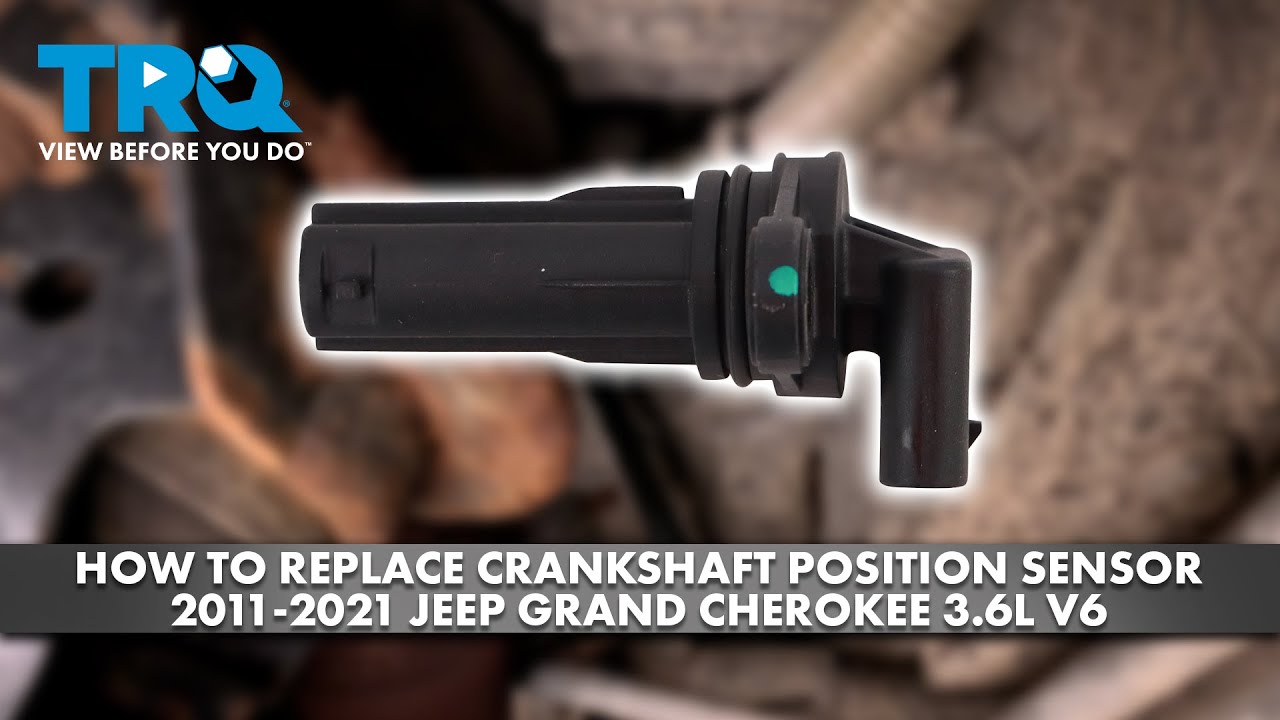
Source: youtube.com
Testing after replacement
Testing proves the job is done.
Checks to run:
- Start the engine and look for steady idle.
- Scan for codes and confirm none return.
- Monitor RPMs and acceleration for stutter.
- Confirm fuel economy and drivability improve.
Want to confirm the sensor (not the wiring) before you buy a replacement? With the sensor unplugged, a multimeter set to resistance (ohms) across its terminals should show a reading within your service manual’s spec — infinite resistance (open circuit) or a reading of zero generally points to a failed sensor rather than a wiring fault.
If the Check Engine Light returns:
- Read freeze frame data and codes.
- Re-check connector pins and grounds.
- Verify sensor alignment and torque.

Source: youtube.com
Common mistakes and troubleshooting
Avoid these common errors when you replace the crankshaft sensor.
Common mistakes:
- Not disconnecting the battery before unplugging the connector.
- Mixing up crank sensor with cam sensor wiring.
- Using the wrong sensor part number.
- Over-torquing or under-torquing the mounting bolt.
- Forgetting to clear stored ECU codes.
If replacement doesn’t fix the issue:
- Check wiring continuity to the ECU.
- Inspect reluctor ring or tone wheel for damage.
- Test with a known-good sensor or multimeter signal test.
- Review related sensors and grounds.
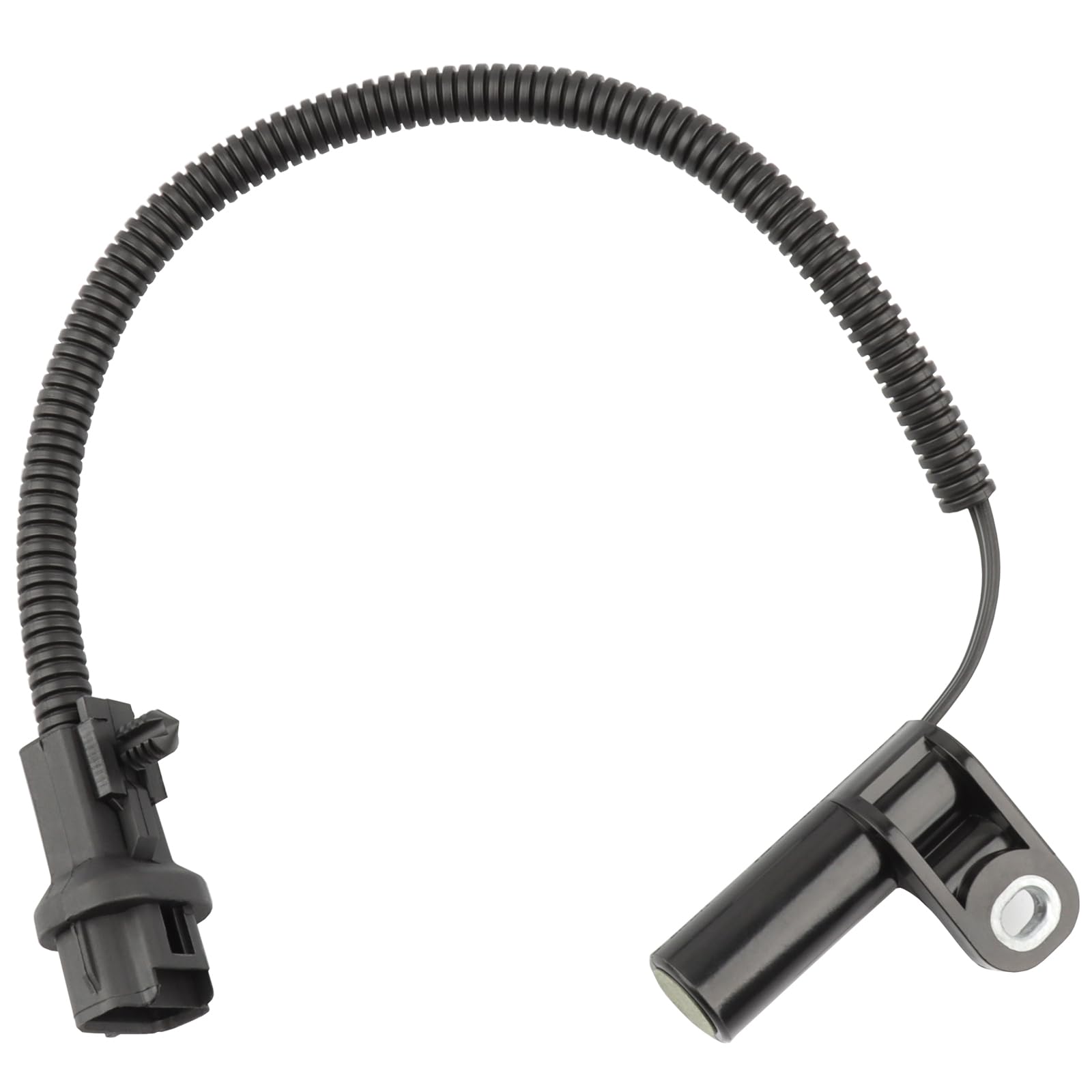
Source: amazon.com
Personal experience and practical tips
I’ve replaced crankshaft sensors on Wranglers and Grand Cherokees. Here are lessons I learned.
What worked for me:
- Use a short extension and swivel to reach tight bolts.
- Label wiring if you must remove multiple connectors.
- Always bench-test the connector pins for corrosion before installation.
- Keep a shop rag handy to catch dropped bolts.
What I avoid now:
- Rushing steps. Careful installs avoid return visits.
- Skipping a test drive. Short tests miss intermittent faults.
- Once I chased a crank sensor code and found a torn wiring loom. Repairing the wire fixed the issue, not the sensor. That taught me to inspect wiring as thoroughly as the part.
Frequently Asked Questions of how to replace jeep crankshaft sensor
How long does it take to replace a crankshaft sensor on a Jeep?
A simple swap can take 30 to 60 minutes for most models. Hard-to-reach sensors may take longer.
Do I need a mechanic to replace the crankshaft sensor?
Many DIYers can do it with basic tools and a manual. Choose a mechanic if access is tough or you lack confidence.
Will a bad crankshaft sensor trip the Check Engine Light?
Yes. Typical codes include P0335 and related misfire or sensor codes. Clearing codes after replacement is essential.
Can I drive with a bad crankshaft sensor?
You can sometimes drive short distances, but the Jeep may stall or run poorly. It is safer to fix the sensor soon.
How much does a crankshaft sensor cost for a Jeep?
Total cost typically runs from about $140 to a few hundred dollars depending on your Jeep model, with parts usually costing less than labor. As a reference point, a professional replacement on a Jeep Grand Wagoneer averages $143–$210, split roughly $86–$127 for labor and $57–$83 for the part itself. Older 4.0L and V6 models can run higher if access is tight. DIY replacement cuts most of the labor cost, leaving mainly the price of the sensor itself.
What’s the difference between a crankshaft sensor and a camshaft sensor?
The crankshaft sensor tracks crank rotation and speed; the camshaft sensor tracks cam rotation to identify each cylinder’s stroke. They plug into similar-looking connectors, so double-check part numbers and connector shape before installing — swapping them is a common DIY mistake.
Does the crankshaft sensor location differ between Jeep models?
Yes. On 4.0L inline-six Jeeps (XJ, TJ, ZJ/WJ), it’s mounted on the transmission bellhousing. On Pentastar V6 Wranglers and Grand Cherokees, it’s near the crank pulley at the front of the block. On four-cylinder Patriots and Compasses, it’s toward the rear of the block. See the location table above for details.
Conclusion
You now have a clear path for how to replace jeep crankshaft sensor. The steps are simple: prepare, remove, replace, and test. Use the right parts and tools. Inspect wiring and torque bolts properly. Take a careful test drive and clear any codes.
Take action today. Order the correct sensor, gather the tools, and tackle the job with confidence. If you prefer help, consult a trusted mechanic. Share your results or questions below — I’d love to hear how your repair went.