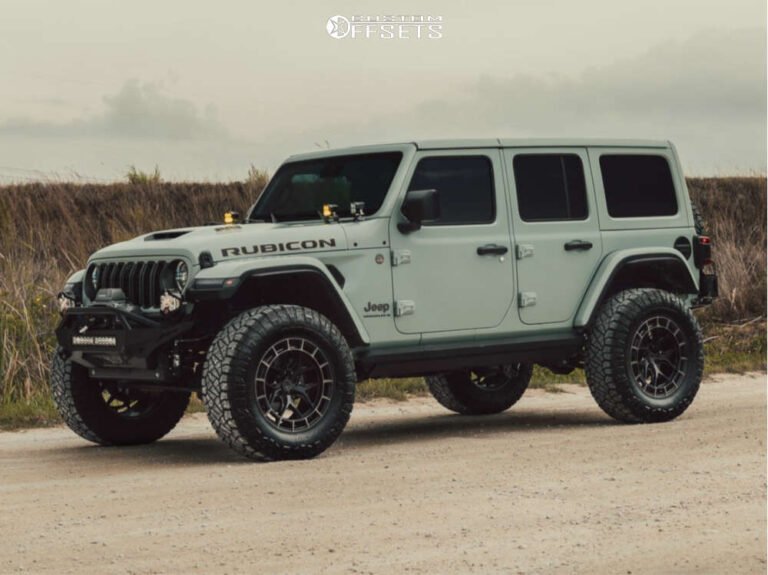
Jeep Wrangler owners often upgrade to larger tires for better ground clearance, traction, and a stronger off-road look. However, bigger tires also make the engine work harder because each tire rotation covers more distance.
Jeep Wrangler Regearing Larger Tires and Drivetrain Changes is one of the most important upgrades after a major tire change. A proper gear ratio helps bring back factory-like performance and makes daily driving and trail use more enjoyable.
From working with modified 4×4 setups, one lesson stands out: tire size should never be upgraded alone. The drivetrain must match the new load created by heavier wheels and tires.

Why Larger Tires Change Jeep Wrangler Performance
A larger tire acts like a taller gear. It reduces the mechanical advantage between the engine and the ground. This can make a Wrangler feel slower when starting, climbing hills, or carrying extra weight.
Jeep Wrangler Regearing Larger Tires and Drivetrain Changes becomes necessary because the original factory gears were designed around the stock tire size. A 35-inch or 37-inch tire can create a noticeable difference in engine load.
- ✦ Reduced acceleration
Larger tires require more torque to move, which can make the Jeep feel less responsive.
- ✦ Higher transmission strain
The transmission may shift more often because the engine struggles to maintain speed.
- ✦ Lower fuel efficiency
The engine may run outside its ideal power range, increasing fuel use.
Understanding Tire Size Impact
A small tire increase may not require immediate changes, but major upgrades usually need a matching gear ratio. The heavier the tire and wheel combination, the greater the effect on the drivetrain.
What Is Jeep Wrangler Regearing and How Does It Work?
Regearing means replacing the ring and pinion gears inside the axles with different gear ratios. This changes how many times the driveshaft turns compared with the wheels.
Jeep Wrangler Regearing Larger Tires and Drivetrain Changes usually focuses on selecting a lower numerical gear ratio that gives the engine more leverage. This helps recover lost torque caused by larger tires.

- ✦ Common gear ratio choices
Many Wrangler owners choose ratios such as 4.56, 4.88, or 5.13 depending on tire size and vehicle setup.
- ✦ Professional installation
Differential setup requires precise measurements, so experienced technicians are recommended.
Choosing the Right Gear Ratio for Larger Jeep Wrangler Tires
The correct gear ratio depends on tire size, engine power, transmission type, and how the Jeep is used. A daily driver may need a different setup than a rock crawler.
Jeep Wrangler Regearing Larger Tires and Drivetrain Changes should always be planned as a complete system. The goal is to keep the engine operating in a useful power range.
- ✦ 33-inch tires
Many Wranglers can use moderate gear changes depending on the engine and transmission.
- ✦ 35-inch tires
A regear is often considered to restore normal acceleration and highway comfort.
- ✦ 37-inch tires
Large tires usually require stronger drivetrain planning and lower gears.
Automatic Versus Manual Transmission Considerations
Automatic transmissions can hide some power loss by changing gears, while manual transmissions often make the loss more noticeable. Both setups benefit from correct gearing after major tire upgrades.
Other Drivetrain Changes After Installing Bigger Tires
Jeep Wrangler Regearing Larger Tires and Drivetrain Changes can include more than axle gears. Larger tires increase stress on axles, driveshafts, brakes, and steering parts.
A complete build looks at every component that transfers engine power to the ground. This approach prevents weak links and improves long-term reliability.

- ✦ Axle upgrades
Heavy off-road use may require stronger axle shafts or upgraded differentials.
- ✦ Driveshaft improvements
Lift kits and larger tires can change angles and increase driveshaft stress.
- ✦ Brake improvements
Heavier wheels may require better braking performance.
Benefits of Proper Jeep Wrangler Regearing
A correctly geared Wrangler feels more balanced on highways, trails, and city roads. Drivers often notice smoother acceleration and fewer unwanted transmission shifts.
The main goal of Jeep Wrangler Regearing Larger Tires and Drivetrain Changes is not simply more power. It is restoring the relationship between the engine, transmission, axles, and tires.
- ✦ Better off-road control
Lower gears provide more torque at slow speeds for technical trails.
- ✦ Improved driving comfort
The Jeep can maintain speed with less effort.
Common Mistakes When Upgrading Wrangler Drivetrains
Many owners focus only on tire appearance and ignore drivetrain changes. This can create a Jeep that looks impressive but feels weak on the road.
Jeep Wrangler Regearing Larger Tires and Drivetrain Changes should be based on measured needs, not guesses. Matching parts saves money and prevents future repairs.
- ✦ Choosing gears by tire size only
The engine, transmission, and driving style also affect the correct choice.
- ✦ Ignoring tire weight
A heavy mud tire affects performance more than a lighter all-terrain tire.