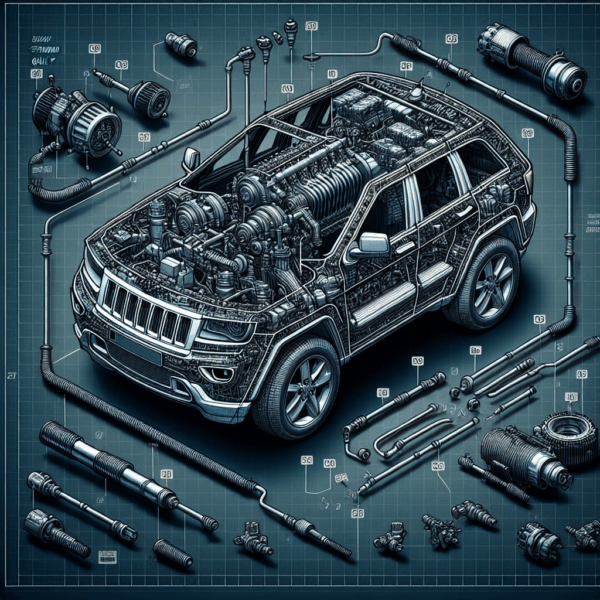
The Complete Guide to Jeep Timing Systems Timing Components and Engine Synchronization explains how one of the most important engine systems keeps your Jeep running correctly. Every combustion cycle depends on exact timing between valves and pistons. When timing stays accurate, a Jeep can deliver reliable power for daily driving, towing, and off-road use.
From my experience studying and working with engine systems, timing failures often begin with small warning signs. A light rattle on cold starts or a slight loss of power may point to worn timing parts. Many Jeep owners in the USA drive their vehicles for long trips, outdoor adventures, and heavy use, so understanding these parts can help prevent major repairs.
This Complete Guide to Jeep Timing Systems Timing Components and Engine Synchronization covers timing chains, belts, gears, tensioners, guides, common failures, inspection methods, and maintenance practices. The goal is to make complex engine timing easier to understand for everyday Jeep owners.

How Jeep Timing Systems Work and Why Engine Synchronization Matters
A Jeep timing system connects the movement of the crankshaft and camshaft. The crankshaft moves the pistons, while the camshaft controls when the engine valves open and close. These actions must happen at the correct moment for proper combustion.
The Complete Guide to Jeep Timing Systems Timing Components and Engine Synchronization starts with this basic idea because timing affects nearly every part of engine performance. If the timing is incorrect, fuel economy, power output, emissions, and engine safety can suffer.
Modern Jeep engines use computer controls to adjust some timing functions, but mechanical timing parts still create the foundation. Sensors can report timing problems, but they cannot replace worn chains, damaged guides, or weak tensioners.

- ✦ Crankshaft function
The crankshaft converts piston movement into rotation and provides the main timing reference for the engine.
- ✦ Camshaft function
The camshaft controls valve movement so air enters and exhaust leaves at the correct time.
- ✦ Synchronization purpose
Proper synchronization keeps piston and valve movement safely coordinated during every engine cycle.
The Four-Stroke Engine Timing Cycle
A Jeep engine follows intake, compression, power, and exhaust strokes. The timing system makes sure each stroke happens in the correct order.
Even a small timing error can reduce efficiency. A larger failure can cause piston and valve contact in interference engines.
- ✦ Intake stroke
The intake valves open to allow the engine to receive air and fuel.
- ✦ Power stroke
Combustion pushes the piston down and creates engine power.
Jeep Timing Chain Systems, Belts, and Gear Drives Explained
Jeep vehicles commonly use timing chains, although some engines use different timing designs. A timing chain uses metal links to connect timing gears, while a timing belt uses reinforced rubber material.
The Complete Guide to Jeep Timing Systems Timing Components and Engine Synchronization requires understanding these differences because each design has unique service needs. Timing chains usually last longer but still depend on good lubrication and strong support parts.
Gear-driven timing systems use direct mechanical connections. They are durable but less common in many passenger Jeep engines because of cost, noise, and design factors.

- ✦ Timing chain advantages
Chains offer long service life and strong durability when engine oil maintenance is followed.
- ✦ Timing belt concerns
Belts can wear from age and usually require scheduled replacement.
- ✦ Timing gear systems
Gears provide direct timing control but may create more mechanical noise.
Why Engine Oil Matters for Timing Chains
Timing chains rely on engine oil for lubrication. Dirty or low oil can increase friction and accelerate wear.
Regular oil changes are one of the easiest ways to protect Jeep timing components and avoid premature repairs.
- ✦ Clean lubrication
Fresh oil helps timing chains, guides, and tensioners move smoothly.
Important Jeep Timing Components and Their Roles
A Jeep timing system contains several parts that work together. The chain or belt is only one piece of the complete system.
The Complete Guide to Jeep Timing Systems Timing Components and Engine Synchronization includes every major component because failure of a small part can affect the entire engine. Tensioners, guides, sprockets, and sensors all help maintain accurate timing.

- ✦ Timing chain guides
Guides keep the chain aligned and reduce unwanted movement.
- ✦ Hydraulic tensioners
Tensioners use oil pressure to maintain proper chain tightness.
- ✦ Timing sprockets
Sprockets transfer rotation between the crankshaft and camshaft.
Variable Valve Timing Components
Many newer Jeep engines use variable valve timing systems. These systems adjust camshaft position to improve power and efficiency.
Variable valve timing adds more parts, such as cam phasers and control valves, which must work correctly with the main timing system.
- ✦ Cam phasers
Cam phasers adjust camshaft position based on engine conditions.
Common Jeep Timing System Problems and Warning Signs
Timing problems often develop slowly before they create serious engine damage. Paying attention to changes in engine sound and performance can help catch issues early.
Many Jeep owners notice symptoms during cold starts, highway driving, or off-road situations where the engine works harder. A professional inspection can confirm whether timing components are worn.

- ✦ Rattling sounds
A loose timing chain or worn guide may create a noticeable rattling noise.
- ✦ Poor engine performance
Incorrect timing can reduce acceleration and overall engine response.
- ✦ Starting problems
Severe timing issues can make the engine difficult or impossible to start.
When Timing Failure Can Damage an Engine
Some Jeep engines are designed with limited space between valves and pistons. If timing fails, these parts may collide.
This type of damage can require major engine repairs, which is why early diagnosis is valuable.
Jeep Timing System Maintenance and Inspection Tips
Preventive maintenance helps extend the life of Jeep timing components. Following the correct oil service schedule is one of the most important steps.
The Complete Guide to Jeep Timing Systems Timing Components and Engine Synchronization recommends checking symptoms early instead of waiting for complete failure. Timing repairs are often easier when problems are found before internal damage occurs.

- ✦ Follow oil service intervals
Proper oil changes protect timing chains and hydraulic tensioners.
- ✦ Listen for unusual sounds
New rattles or clicking noises should receive attention.
- ✦ Use quality replacement parts
Reliable timing components help maintain accurate engine operation.
Professional Timing Inspection Process
Technicians may inspect engine codes, listen for abnormal sounds, check oil pressure, and examine timing-related data.
A complete diagnosis looks at the entire system instead of replacing one part without finding the root cause.