The Complete Guide to Jeep Serpentine Belts Belt Tensioners and Accessory Drives explains one of the most important systems on modern Jeep engines. This system may look simple, but it keeps many parts working together every time you start your vehicle.
From my experience working around vehicle maintenance, belt issues often appear small before they become expensive problems. A worn belt or weak tensioner can leave a Jeep owner stranded because one failed belt can stop several engine accessories at once.
For Jeep owners in the United States, this system matters during highway trips, daily commutes, towing, and off-road adventures. A reliable accessory drive system helps maintain charging, cooling, and climate control performance in many driving conditions.

How Jeep Serpentine Belts and Accessory Drives Work
A Jeep serpentine belt is a long rubber belt that wraps around several engine pulleys. The crankshaft pulley turns the belt, and the belt transfers that motion to other components.
The Complete Guide to Jeep Serpentine Belts Belt Tensioners and Accessory Drives starts with understanding this power path. The belt helps operate systems that support engine performance, comfort, and reliability.
Unlike older engines that used several separate belts, many modern Jeeps use one serpentine belt. This design saves space and makes maintenance easier when the system stays in good condition.
- ✦ Alternator operation
The belt spins the alternator, which creates electrical power and keeps the battery charged.
- ✦ Cooling system support
On some Jeep engines, the belt helps drive the water pump that moves coolant through the engine.
- ✦ Climate control function
The belt powers the air conditioning compressor so the cabin can stay comfortable.
Why The Accessory Drive System Matters
The accessory drive system connects engine power with several important vehicle functions. If the belt loses grip, those systems may slow down or stop working.
A properly maintained drive system improves reliability and reduces the chance of unexpected repairs during long trips.
- ✦ Power transfer
The belt moves mechanical energy from the engine crankshaft to accessory components.
Understanding Jeep Belt Tensioners and Their Role
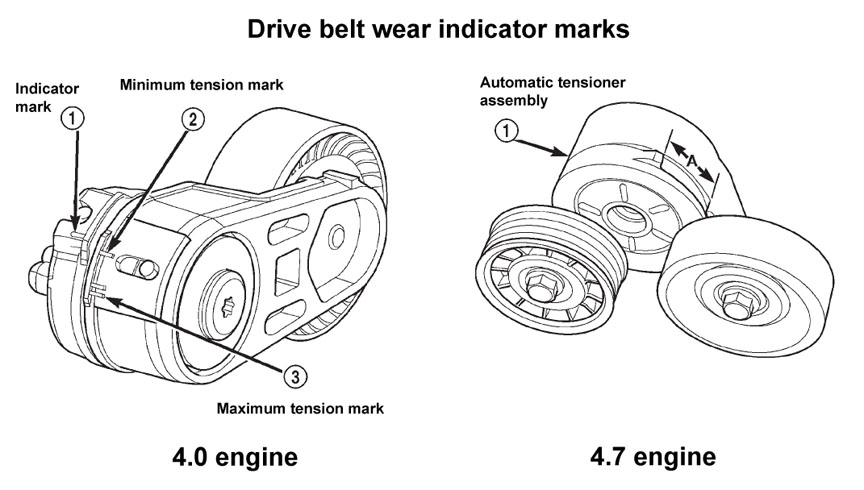
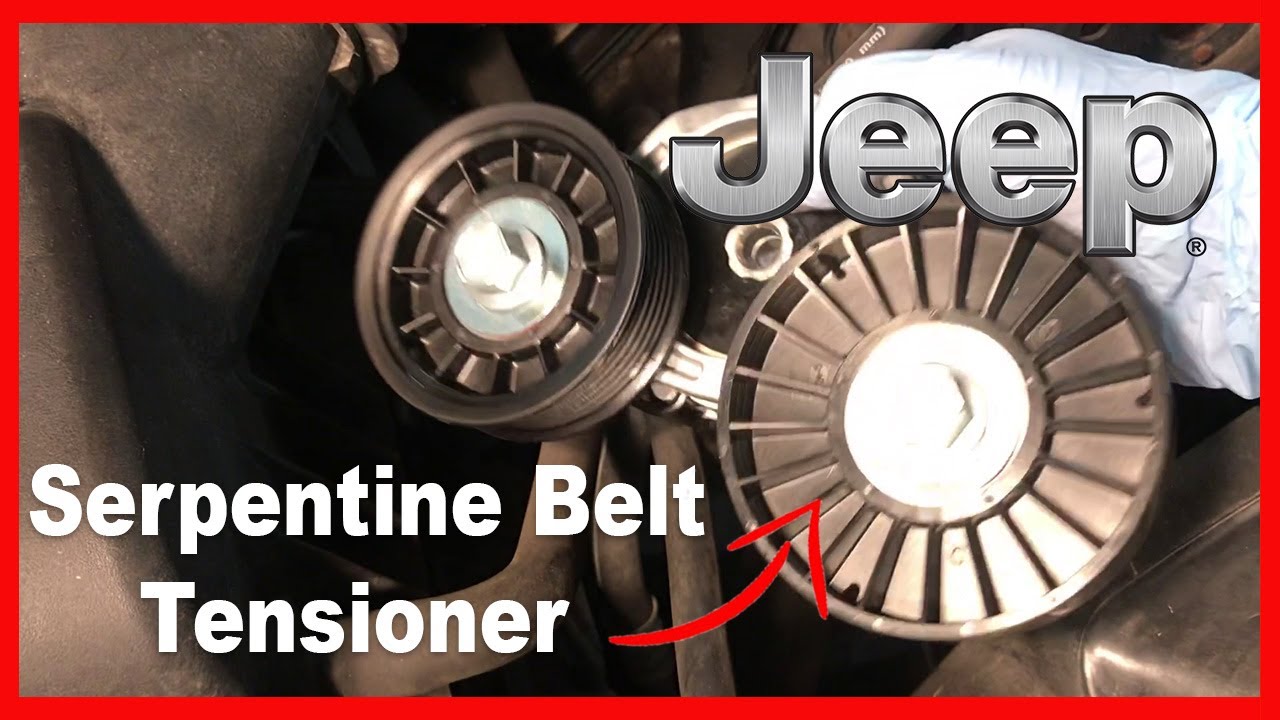
The belt tensioner is a spring-loaded component that keeps the serpentine belt tight. It adjusts automatically as the belt stretches from normal use.
The Complete Guide to Jeep Serpentine Belts Belt Tensioners and Accessory Drives includes the tensioner because many belt problems begin with tension loss. A belt may look acceptable while a weak tensioner causes slipping.
A failing tensioner can create belt noise, poor accessory performance, and uneven belt movement. Replacing a worn tensioner with the belt often prevents repeated repairs.
- ✦ Maintains belt pressure
The tensioner keeps steady force on the belt so pulleys can turn smoothly.
- ✦ Controls vibration
A good tensioner reduces belt movement caused by engine vibration.
- ✦ Prevents slipping
Correct tension helps the belt maintain contact with each pulley.
Signs Of A Weak Belt Tensioner
A failing tensioner may produce clicking, rattling, or squealing sounds near the front of the engine. The belt may also appear loose or move unevenly.
When inspecting a Jeep, always check both the belt and tensioner because replacing only one worn part may not solve the issue.
- ✦ Visible movement
Excessive tensioner movement can indicate a worn spring or pulley bearing.
Common Jeep Serpentine Belt Problems and Symptoms
Jeep serpentine belts experience heat, moisture, dirt, and constant movement. Over time, these conditions can damage the belt material.
Many owners notice warning signs before complete failure. Learning these signs can help prevent expensive towing bills and roadside problems.
The Complete Guide to Jeep Serpentine Belts Belt Tensioners and Accessory Drives recommends regular visual checks because early detection is simple and effective.
- ✦ Cracks and wear
Small cracks or damaged ribs show that the belt material is aging.
- ✦ Squealing sounds
A squeal often points to slipping, poor tension, or pulley problems.
- ✦ Battery warning light
A charging warning may appear when the alternator stops receiving belt power.
Belt Damage From Driving Conditions
Jeeps often see demanding conditions, including mud, dust, heat, and water exposure. These conditions can speed up wear if maintenance is ignored.
Drivers who use their Jeeps for towing or off-road activities should inspect the accessory drive system more often.
- ✦ Off-road stress
Dirt and debris can increase wear around belt surfaces and pulleys.
How To Inspect A Jeep Serpentine Belt System
Inspecting a serpentine belt does not require advanced tools. A careful visual check can reveal many problems before failure occurs.
Look for cracks, missing belt ribs, shiny surfaces, and signs of misalignment. Also check that the belt follows the correct routing path around each pulley.
The Complete Guide to Jeep Serpentine Belts Belt Tensioners and Accessory Drives highlights inspection because prevention is usually easier than repair.

- ✦ Check belt condition
Look for cracks, fraying, glazing, and uneven wear across the belt surface.
- ✦ Listen for sounds
Pay attention to squeaks, chirps, or grinding noises from the belt area.
- ✦ Inspect pulleys
Make sure pulleys spin smoothly without unusual movement.
Professional Inspection Tips
A professional technician can measure belt tension, check pulley alignment, and identify hidden bearing problems.
Many belt failures come from related components, so a complete inspection gives better results than replacing only the belt.
- ✦ Full system check
Inspecting every accessory drive component helps find the real cause of failure.
Jeep Serpentine Belt Replacement and Maintenance Tips
Replacing a serpentine belt is a common maintenance task for many Jeep models. The exact process depends on engine design and available access.
A quality replacement belt should match the correct size and specification for the Jeep engine. Incorrect fit can create noise and reduce belt life.
The Complete Guide to Jeep Serpentine Belts Belt Tensioners and Accessory Drives recommends replacing related worn parts when needed because a new belt cannot fix a damaged tensioner or pulley.
- ✦ Use correct parts
Choose a belt designed for the exact Jeep engine and model year.
- ✦ Follow belt routing
Install the belt according to the correct routing diagram.
- ✦ Replace worn tensioners
A new tensioner can help protect a replacement belt from early failure.
When To Replace The Belt
Replacement timing depends on vehicle use, climate, mileage, and belt condition. Regular inspection is more reliable than waiting for a failure.
Drivers who frequently tow, travel long distances, or explore off-road areas should pay close attention to belt condition.
- ✦ Preventive maintenance
Replacing a worn belt before failure reduces the chance of unexpected breakdowns.