The Complete Guide to Jeep Engine Overheating Cooling Failures and Temperature Problems helps Jeep owners understand why their engines run too hot and how to fix the root cause. From Wrangler models used on trails to Grand Cherokee SUVs used for highway driving, cooling problems can appear in many situations.
In my experience reviewing vehicle repair issues, many overheating cases start with simple warning signs. A rising temperature gauge, coolant smell, weak air conditioning, or a small leak often appears before major engine damage happens.
A Jeep engine depends on a balanced cooling system that includes coolant, radiator airflow, fans, thermostat operation, and proper water circulation. When one part fails, engine temperatures can quickly rise beyond safe levels.

Understanding Jeep Engine Overheating and Cooling System Basics
The Complete Guide to Jeep Engine Overheating Cooling Failures and Temperature Problems starts with understanding how heat control works. A Jeep engine creates extreme heat during combustion, and the cooling system moves that heat away to keep the engine within a safe operating range.
The cooling system uses coolant fluid, radiator passages, cooling fans, a thermostat, and a water pump. Each component must work correctly because a failure in one area can increase engine temperature and reduce performance.
- ✦ Engine coolant
Coolant absorbs heat from the engine and carries it toward the radiator for release.
- ✦ Radiator system
The radiator removes heat from coolant before sending it back through the engine.
- ✦ Cooling fans
Fans provide airflow when the Jeep is moving slowly or sitting in traffic.
Why Jeep Temperature Control Matters
A properly working cooling system protects engine parts such as cylinder heads, gaskets, and pistons. Excess heat can cause warping, leaks, and costly engine repairs.
Many Jeep owners notice overheating during summer traffic, towing, steep climbs, or off-road driving because these situations create extra engine load.
Common Causes of Jeep Engine Overheating Problems
The Complete Guide to Jeep Engine Overheating Cooling Failures and Temperature Problems shows that overheating rarely has only one cause. A complete inspection helps identify the actual failure instead of replacing random parts.
Some Jeep cooling failures are simple repairs, while others require deeper engine diagnosis. Finding the problem early saves time and prevents additional damage.

- ✦ Low coolant level
A coolant leak or poor maintenance can reduce cooling ability and cause temperature spikes.
- ✦ Failed thermostat
A stuck thermostat can block coolant flow and make the engine overheat quickly.
- ✦ Damaged radiator
Blocked radiator fins, internal corrosion, or leaks can reduce heat transfer.
- ✦ Weak water pump
A failing water pump cannot circulate coolant properly through the engine.
Cooling Fan and Airflow Failures
Electric cooling fans are important during slow driving and idling. If a fan motor, relay, or sensor fails, a Jeep may overheat while sitting in traffic but run normally at highway speeds.
- ✦ Fan inspection
Check fan operation when the engine reaches operating temperature.
Symptoms of Jeep Cooling Failures and Temperature Problems
Recognizing symptoms early is one of the most important parts of the Complete Guide to Jeep Engine Overheating Cooling Failures and Temperature Problems. Small warnings can prevent major engine repairs.
Drivers should pay attention to changes in temperature behavior, unusual smells, and dashboard warnings.

- ✦ High temperature gauge reading
A gauge moving toward the red zone indicates the engine may not be removing heat properly.
- ✦ Coolant smell
A sweet smell may indicate coolant escaping from a hose, radiator, or engine component.
- ✦ Steam from engine area
Steam can indicate coolant contact with hot engine parts.
How to Diagnose Jeep Overheating Step by Step
A proper diagnosis starts with simple checks before expensive repairs. Mechanics usually inspect coolant levels, leaks, airflow, and component operation in a logical order.
The Complete Guide to Jeep Engine Overheating Cooling Failures and Temperature Problems recommends avoiding guesswork because replacing the wrong part wastes money and may not solve the issue.

- ✦ Check coolant condition
Inspect coolant level, color, and signs of contamination.
- ✦ Inspect for leaks
Look around hoses, radiator connections, water pump areas, and coolant reservoirs.
- ✦ Test cooling components
Verify thermostat, fan operation, radiator flow, and water pump performance.
Using Diagnostic Tools
Modern Jeeps use sensors and computer systems that can provide useful temperature information. Scan tools can reveal temperature sensor faults and related engine codes.
A professional pressure test can also find hidden coolant leaks that are difficult to see during normal inspection.
Jeep Radiator, Thermostat, and Water Pump Failures Explained
The radiator, thermostat, and water pump are three major parts that control engine temperature. A failure in any of these components can create serious overheating conditions.
The Complete Guide to Jeep Engine Overheating Cooling Failures and Temperature Problems explains why these parts should be checked together because one failing component can affect the entire system.

- ✦ Radiator problems
Restricted coolant flow or damaged fins reduce cooling performance.
- ✦ Thermostat problems
A thermostat stuck closed prevents coolant circulation.
- ✦ Water pump problems
A damaged pump can reduce coolant movement and create hot spots.
How to Prevent Jeep Overheating and Cooling Failures
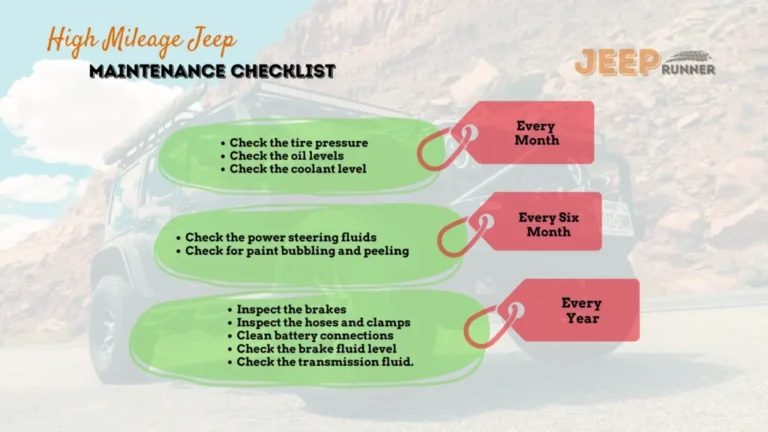
Preventive maintenance is the best way to avoid sudden Jeep overheating problems. A healthy cooling system reduces stress on the engine and improves reliability.
Regular checks are especially important for Jeep owners who tow, drive off-road, or operate vehicles in very hot climates.

- ✦ Maintain correct coolant levels
Check coolant regularly and use the correct coolant type recommended for your Jeep.
- ✦ Inspect hoses and belts
Replace worn parts before they fail and cause coolant loss.
- ✦ Clean radiator airflow areas
Remove dirt, mud, and debris that block cooling performance.