A Jeep cooling system works hard during daily driving, highway trips, towing, and off-road use. The radiator, coolant reservoir, water pump, thermostat, and hoses must work together to keep engine temperatures stable.
This Complete Guide to Jeep Coolant Leaks Reservoirs Radiators and Cooling Hoses explains common failures, warning signs, diagnosis steps, and repair options. From my experience studying vehicle cooling problems, many expensive engine repairs begin with a small coolant leak that owners ignore.
American Jeep owners often drive in extreme conditions, including hot summers, mountain roads, and heavy traffic. A healthy cooling system helps prevent overheating and keeps your Jeep reliable for years.

Understanding the Jeep Cooling System and How It Works
The Jeep cooling system controls engine temperature by moving coolant through important parts. Coolant absorbs engine heat and carries it to the radiator, where airflow removes the heat.
The Complete Guide to Jeep Coolant Leaks Reservoirs Radiators and Cooling Hoses starts with understanding these parts. When one component fails, the entire system can lose pressure and allow overheating.
- ✦ Radiator
The radiator releases heat from hot coolant before it returns to the engine.
- ✦ Coolant Reservoir
The reservoir stores extra coolant and allows expansion when the engine temperature rises.
- ✦ Cooling Hoses
Hoses move coolant between the engine, radiator, and other cooling components.
Why Cooling System Pressure Matters
A sealed cooling system needs correct pressure to raise coolant boiling temperature. A damaged cap, hose, or reservoir can reduce pressure and cause coolant loss.
- ✦ Low Pressure Signs
Common signs include coolant smell, leaks under the Jeep, and rising temperature readings.
Common Causes of Jeep Coolant Leaks
Jeep coolant leaks can happen because of age, heat, road damage, or poor maintenance. Small leaks may appear slowly before becoming serious problems.
In this Complete Guide to Jeep Coolant Leaks Reservoirs Radiators and Cooling Hoses, the most important step is finding the exact leak source before replacing parts.

- ✦ Cracked Coolant Reservoir
Plastic reservoirs can develop cracks from heat cycles and age, allowing coolant to escape.
- ✦ Damaged Radiator
Radiator tanks, seams, and fins can fail and create visible coolant leaks.
- ✦ Worn Cooling Hoses
Old hoses may become soft, swollen, cracked, or weak near connection points.
- ✦ Loose Hose Clamps
A loose clamp can allow coolant to leak even when the hose looks normal.
How Small Coolant Leaks Become Major Repairs
A small coolant loss can reduce system efficiency and increase engine temperature. Continued driving may damage gaskets, cylinder heads, or other engine parts.
- ✦ Early Action
Repairing leaks early usually costs less than repairing overheating damage.
Diagnosing a Jeep Coolant Leak Step by Step
Finding a coolant leak requires careful inspection. Never open a hot radiator cap because pressurized coolant can cause serious burns.
A proper diagnosis helps avoid replacing good parts and focuses repairs on the real problem.
- ✦ Check Coolant Level
Inspect the reservoir level when the engine is cold and compare it with the marked lines.
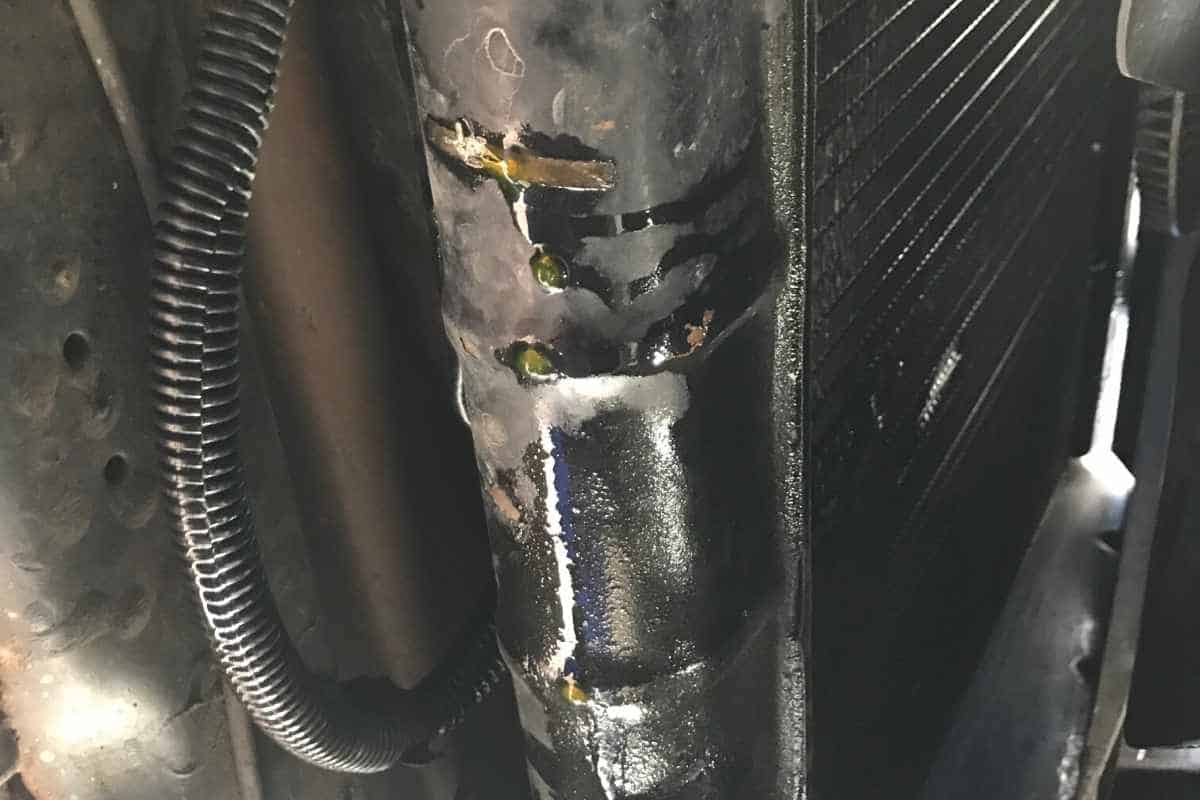
- ✦ Look for Leak Evidence
Search for wet areas, dried coolant residue, stains, or a sweet coolant smell.
- ✦ Inspect Connections
Check hose ends, clamps, radiator seams, and reservoir connections.
Using a Cooling System Pressure Test
A pressure test tool can help locate leaks that are difficult to see. Many repair shops use this method because leaks often appear only when the system is pressurized.
- ✦ Professional Inspection
A mechanic can test pressure, coolant condition, and related cooling components.
Jeep Coolant Reservoir Problems and Replacement Guide
The coolant reservoir is a common failure point in many Jeep models because it is often made from plastic. Constant heating and cooling cycles can create cracks over time.
A failing reservoir may leak coolant, lower system pressure, and cause overheating. The Complete Guide to Jeep Coolant Leaks Reservoirs Radiators and Cooling Hoses recommends checking the tank during routine maintenance.
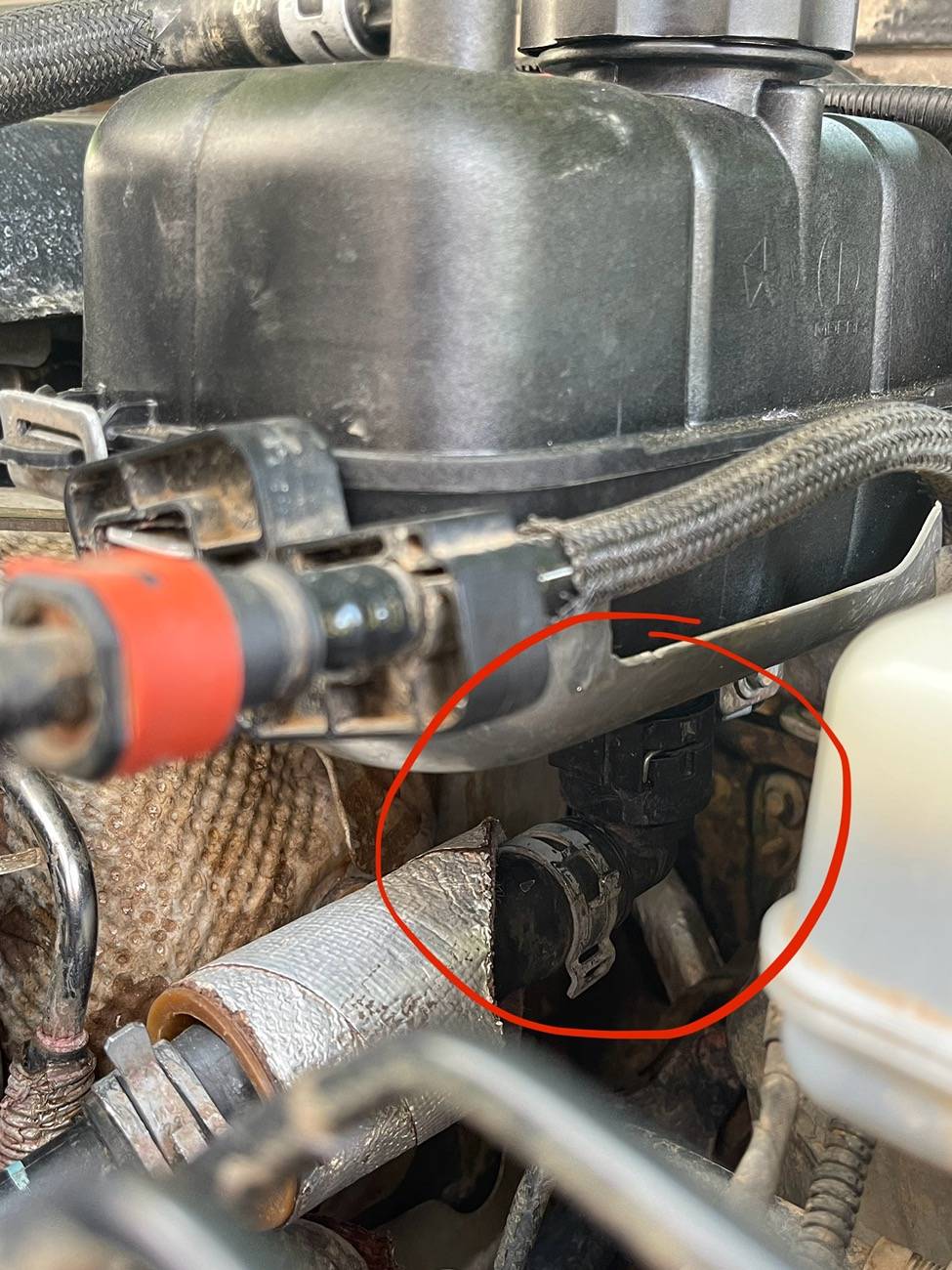
- ✦ Visible Cracks
Small cracks around seams or mounting areas often indicate replacement is needed.
- ✦ Low Coolant Warning
A damaged reservoir can cause repeated coolant level drops.
Replacing a Jeep Coolant Reservoir
Replacement usually involves draining coolant, removing old connections, installing the new reservoir, and refilling the system correctly.
- ✦ Use Correct Coolant
Always follow the Jeep owner’s manual for the correct coolant type and mixture.
Radiator Leaks, Damage, and Repair Options
The radiator is one of the most important parts of the Jeep cooling system. It removes heat before coolant returns to the engine.
Radiator leaks may come from damaged tanks, corroded areas, broken fins, or failed seals. A leaking radiator can quickly lead to overheating.

- ✦ Radiator Replacement
A severely damaged radiator often requires complete replacement instead of repair.
- ✦ Radiator Maintenance
Regular coolant changes and inspections help extend radiator life.
Signs of a Bad Jeep Radiator
Common signs include coolant puddles, overheating, low coolant levels, and visible corrosion.
- ✦ Temperature Problems
A damaged radiator may cause unstable engine temperatures.
Cooling Hoses: Inspection, Failure Signs, and Maintenance
Cooling hoses carry coolant under pressure and heat. Over time, rubber hoses can become brittle, soft, swollen, or cracked.
The Complete Guide to Jeep Coolant Leaks Reservoirs Radiators and Cooling Hoses shows why hose checks should be part of regular Jeep maintenance.

- ✦ Upper Radiator Hose
This hose carries hot coolant from the engine to the radiator.
- ✦ Lower Radiator Hose
This hose returns cooled coolant back to the engine.
- ✦ Heater Hoses
These hoses supply coolant to the heater core inside the cabin.
When to Replace Jeep Cooling Hoses
Replace hoses when they show cracks, leaks, swelling, or loss of firmness. Preventive replacement can avoid roadside breakdowns.
- ✦ Routine Checks
Inspect hoses during oil changes or scheduled maintenance visits.