The Complete Guide to Jeep Fuel Economy Fuel Consumption and Factors That Affect It helps owners understand why Jeep models use fuel differently. A Jeep built for off-road strength has different needs than a small commuter vehicle. Weight, tire size, engine power, and road conditions all change how much fuel your Jeep uses.
After working with vehicle performance topics, I have learned that real-world Jeep fuel consumption often differs from window sticker numbers. Many U.S. drivers use their Jeeps for highway trips, daily commutes, towing, and weekend adventures. Each use case creates different fuel economy results.
The Complete Guide to Jeep Fuel Economy Fuel Consumption and Factors That Affect It focuses on practical steps that help Jeep owners track MPG, reduce wasted fuel, and understand the limits of their vehicle.
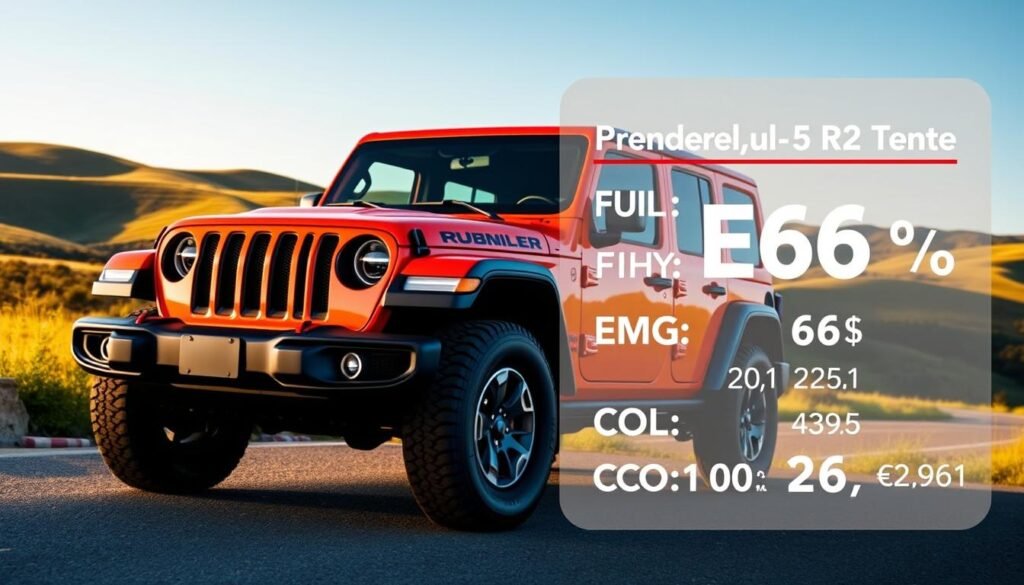
Understanding Jeep Fuel Economy and Fuel Consumption Basics
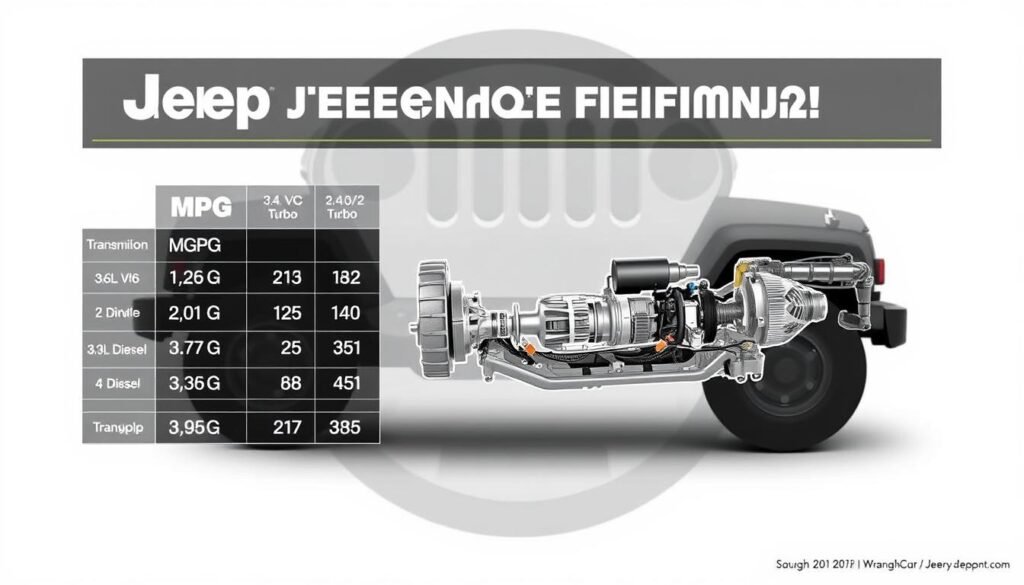
The Complete Guide to Jeep Fuel Economy Fuel Consumption and Factors That Affect It starts with understanding MPG. Miles per gallon shows how far your Jeep can travel using one gallon of fuel. A higher MPG number means the vehicle uses fuel more efficiently.
Jeep fuel economy varies across models because each Jeep has a different design purpose. A Wrangler with large tires and strong off-road parts may use more fuel than a lighter Jeep designed mainly for city driving.
Fuel consumption also changes with driving conditions. A Jeep that performs well on open highways may use more fuel during slow trail driving, heavy traffic, or frequent short trips.
- ✦ MPG Meaning
MPG measures the distance a Jeep can travel on one gallon of fuel and helps owners compare efficiency.
- ✦ Real-World Driving
Daily traffic, weather, cargo, and road surfaces can create different fuel results than official ratings.
- ✦ Vehicle Purpose
Off-road-focused Jeeps often trade some fuel efficiency for strength, clearance, and capability.
Why Jeep Fuel Numbers Differ From EPA Ratings
EPA tests use controlled conditions to compare vehicles fairly. Real drivers often face hills, wind, passengers, cargo, and changing speeds.
This is why many Jeep owners see fuel economy numbers that are slightly different from official estimates.
- ✦ Testing Conditions
Laboratory testing cannot match every real driving situation.
How Engine Type Affects Jeep Fuel Economy
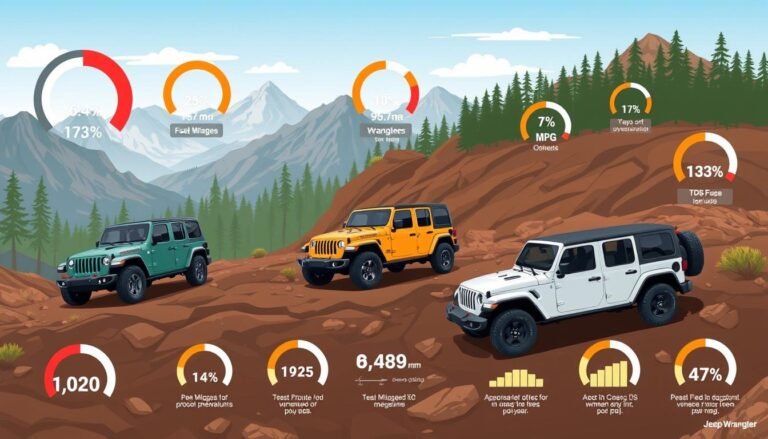
The engine is one of the biggest factors in the Complete Guide to Jeep Fuel Economy Fuel Consumption and Factors That Affect It. Different engines provide different balances between power and efficiency.
Modern Jeep engines may include turbocharged gasoline engines, traditional gasoline engines, diesel options in some markets, and plug-in hybrid systems. Each design manages fuel in a different way.
A smaller turbo engine may save fuel during normal driving, while a larger engine may provide extra power for towing or demanding terrain.
- ✦ Engine Size
Larger engines usually create more power but may require more fuel.
- ✦ Turbo Technology
Turbo engines can provide strong performance while maintaining reasonable efficiency.
- ✦ Hybrid Systems
Hybrid Jeep models can reduce fuel use in certain driving conditions by using electric assistance.
Choosing the Right Jeep Engine for Your Needs
A daily commuter may value fuel savings, while an off-road driver may value torque and durability. The best engine depends on how the Jeep is used.
Matching the engine to your lifestyle can prevent unnecessary fuel costs and improve ownership satisfaction.
- ✦ Daily Driving
Prioritize balanced power and efficiency for regular road use.
Major Factors That Affect Jeep Fuel Consumption
The Complete Guide to Jeep Fuel Economy Fuel Consumption and Factors That Affect It must include the daily factors that change fuel use. Many small details combine to affect your final MPG.
Vehicle weight, tire selection, driving speed, and weather conditions all influence how hard the engine works. When the engine works harder, fuel consumption usually increases.
Understanding these factors allows Jeep owners to make simple adjustments before spending money on major changes.
- ✦ Vehicle Weight
Extra passengers, roof equipment, and cargo increase the energy needed to move the Jeep.
- ✦ Tire Size
Large off-road tires can reduce efficiency because they add weight and rolling resistance.
- ✦ Driving Speed
High speeds increase wind resistance and can lower fuel economy.
- ✦ Weather
Cold temperatures and extreme conditions can affect engine efficiency.
How Tires and Modifications Change Fuel Use
Many Jeep owners add lifts, bigger tires, bumpers, and roof racks. These upgrades improve capability but may increase fuel consumption.
A balanced setup can maintain performance while limiting unnecessary fuel loss.
- ✦ Smart Upgrades
Choose modifications that match your driving needs instead of adding unused weight.
Driving Habits That Improve Jeep MPG
Driving style has a major effect on the Complete Guide to Jeep Fuel Economy Fuel Consumption and Factors That Affect It. Smooth driving often produces better fuel results than aggressive acceleration.
Rapid starts, heavy braking, and frequent speed changes force the engine to use more energy. Calm driving helps maintain steady fuel use.
Many Jeep owners improve MPG simply by changing small daily habits.

- ✦ Maintain Steady Speed
Using consistent speeds helps reduce unnecessary fuel use.
- ✦ Avoid Heavy Acceleration
Gentle throttle input can improve efficiency during normal driving.
- ✦ Reduce Idle Time
Long periods of idling waste fuel without adding distance.
Highway Versus City Fuel Economy
Highway driving often provides better fuel economy because the engine can operate at a steady pace.
City driving includes more stops and starts, which usually increases fuel consumption.
- ✦ Highway Trips
Steady speeds usually support better MPG.
Maintenance Tips for Better Jeep Fuel Efficiency
Regular maintenance is a key part of the Complete Guide to Jeep Fuel Economy Fuel Consumption and Factors That Affect It. A poorly maintained Jeep often works harder and uses more fuel.
Simple checks like tire pressure, air filters, oil service, and engine inspections help keep the vehicle operating correctly.
Maintenance also protects long-term reliability and prevents small issues from becoming expensive repairs.
- ✦ Check Tire Pressure
Correct tire pressure reduces rolling resistance and supports efficient driving.
- ✦ Replace Filters
Clean air filters help the engine breathe properly.
- ✦ Follow Service Schedules
Regular service keeps engine systems working as designed.
Tracking Your Jeep Fuel Consumption
Tracking MPG over several fuel fill-ups gives a more accurate picture than one trip measurement.
Many owners use vehicle displays, fuel apps, or simple notes to monitor changes.
- ✦ Record Fuel Use
Regular tracking helps identify unusual fuel economy changes.