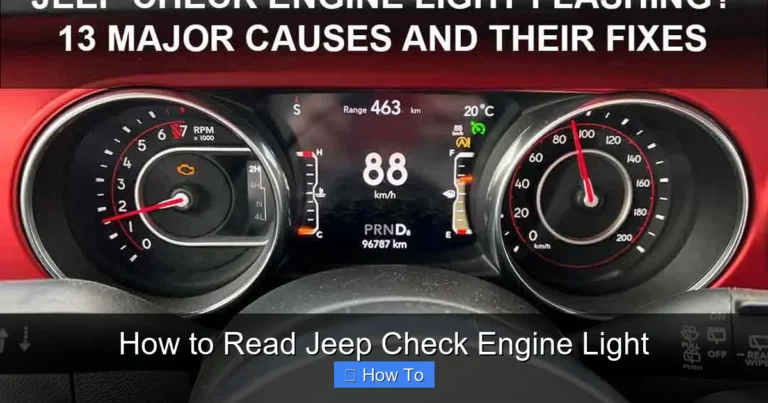
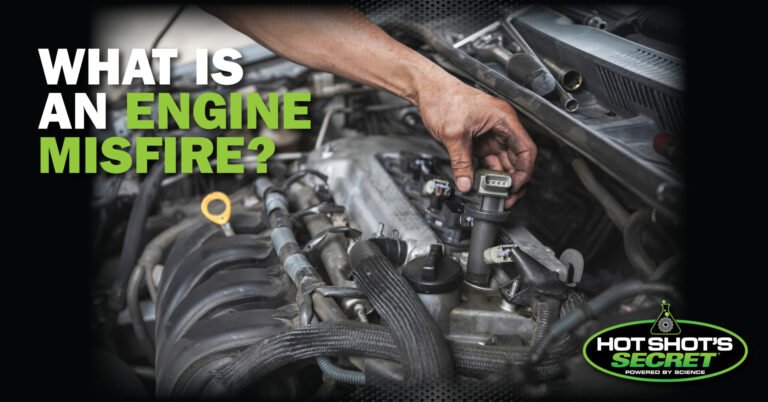
The Jeep wrangler Engine Cooling System and Temperature Management is designed to handle demanding conditions. A Wrangler may face highway heat, slow trail driving, mud, sand, and heavy loads. Each situation creates different cooling challenges.
From working on vehicle systems and studying common Wrangler issues, one lesson stands out: cooling problems are easier to prevent than repair. Simple checks of coolant level, radiator condition, and temperature readings can protect a valuable engine.
How the Jeep Wrangler Engine Cooling System Works
The Jeep Wrangler Engine Cooling System and Temperature Management uses several parts that work as one system. Coolant absorbs heat from the engine and moves it toward the radiator.
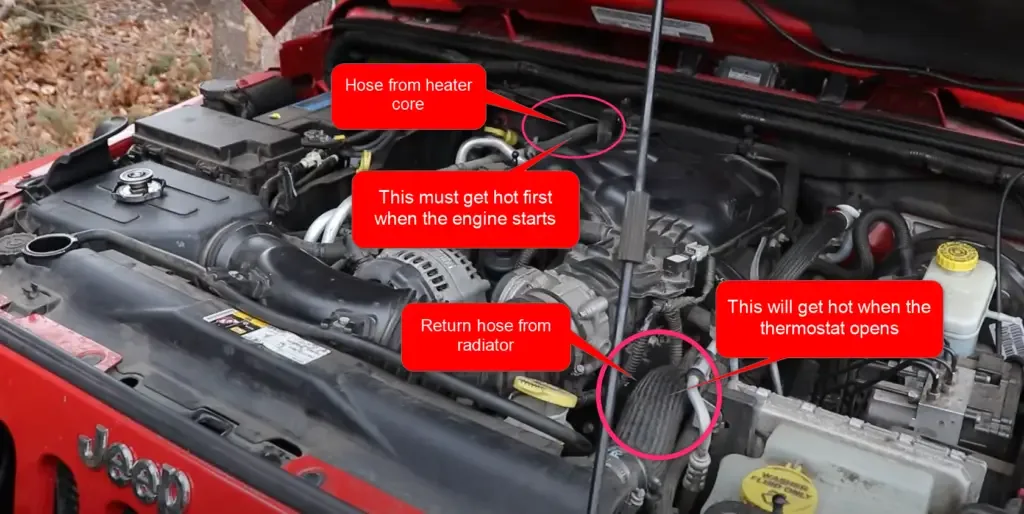
The radiator releases heat into the air. The water pump keeps coolant moving, while the thermostat controls when coolant flows through the system.

- ✦ Radiator
The radiator removes heat from hot coolant before it returns to the engine.
- ✦ Water Pump
The water pump creates coolant circulation through engine passages.
- ✦ Thermostat
The thermostat helps the engine reach operating temperature and prevents excess heat.
Why Cooling Matters During Off-Road Driving
Off-road driving creates unique heat conditions. A Wrangler moving slowly on rocky trails gets less airflow through the radiator than it does on the highway.
A healthy cooling system helps maintain stable temperatures during these extreme situations.
Understanding Jeep Wrangler Engine Temperature Management
Modern Wranglers use sensors and computer controls to monitor engine temperature. The engine control module adjusts cooling operation based on data from temperature sensors.
A normal operating temperature allows good fuel efficiency, proper lubrication, and reliable engine performance.

- ✦ Coolant Temperature Sensor
This sensor reports engine temperature information to the vehicle computer.
- ✦ Cooling Fan
The fan increases airflow when natural airflow is not enough.
Temperature Sensor Problems
A faulty sensor may show incorrect readings or trigger warning lights. Diagnosis usually requires checking sensor signals and related wiring.
Common Jeep Wrangler Cooling System Problems
The Jeep Wrangler Engine Cooling System and Temperature Management can develop issues as parts age. Most problems start with small signs before becoming major failures.
Drivers should watch for temperature changes, coolant loss, warning lights, and unusual smells.
- ✦ Low Coolant Level
Low coolant can reduce heat transfer and cause engine temperature increases.
- ✦ Radiator Issues
Blocked fins or damaged radiator parts can reduce cooling ability.
- ✦ Thermostat Failure
A stuck thermostat can cause slow warming or overheating.
Maintaining the Jeep Wrangler Cooling System
Regular maintenance is the best way to protect the Jeep Wrangler Engine Cooling System and Temperature Management. Jeep owners who drive in hot climates or off-road conditions should inspect the system more often.
Using the correct coolant type and following service intervals helps avoid corrosion and cooling failures.
- ✦ Check Coolant
Inspect coolant level and condition during routine maintenance.
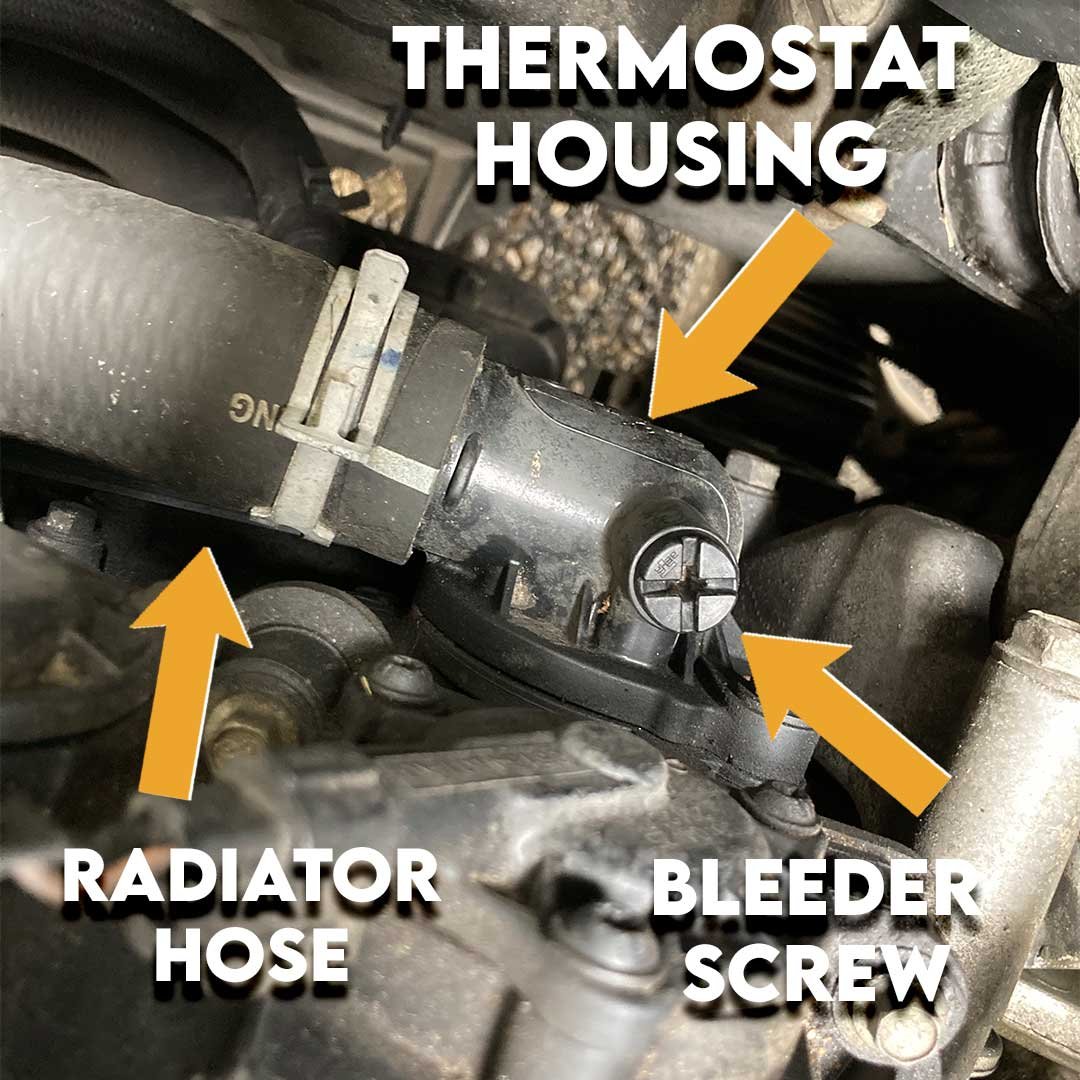
- ✦ Inspect Hoses
Look for cracks, swelling, or leaks around cooling hoses.
How to Prevent Jeep Wrangler Overheating
Preventing overheating requires attention to small details. A clean radiator, proper coolant level, and working fan system are important for long-term reliability.
Many Wrangler owners improve reliability by checking cooling components before long trips or difficult trails.
- ✦ Keep Radiator Clean
Remove dirt, leaves, and mud that block airflow.
- ✦ Monitor Temperature
Pay attention to unusual temperature changes while driving.