The Jeep Wrangler Engine Cooling System and temperature Management system is designed to keep the engine within a safe operating range in many driving conditions. A Wrangler may face hot highways, slow rock crawling, deep sand, and heavy towing, so proper cooling is essential for reliability.
From years of studying vehicle systems, one common lesson is that cooling problems often begin with small issues. A low coolant level, weak radiator cap, failing thermostat, or damaged fan can slowly turn into a major engine problem if ignored.

How the Jeep Wrangler Engine Cooling System Works
The Jeep Wrangler Engine Cooling System and Temperature Management uses several parts that work together. The coolant absorbs heat from the engine, moves through the radiator, and releases heat into the outside air.
The water pump pushes coolant through the engine passages. The thermostat controls coolant flow based on engine temperature. Cooling fans increase airflow when the vehicle moves slowly or sits in traffic.

- ✦ Radiator
The radiator removes heat from hot coolant before it returns to the engine.
- ✦ Water Pump
The water pump keeps coolant moving through the entire cooling system.
- ✦ Cooling Fans
Electric fans help maintain temperature during low-speed driving and off-road conditions.
Main Cooling System Components
A Wrangler cooling system includes the radiator, coolant reservoir, hoses, thermostat, temperature sensors, fan assembly, and coolant passages inside the engine.
Each component has a specific job. A failure in one area can affect the entire Jeep Wrangler Engine Cooling System and Temperature Management process.
- ✦ Coolant Reservoir
The reservoir stores extra coolant and helps maintain proper coolant levels as temperatures change.
Normal Jeep Wrangler Engine Temperature Range
Most Jeep Wrangler models operate best when engine coolant temperature stays within the normal range set by the manufacturer. Modern Wranglers often maintain temperatures around the middle area of the gauge during normal driving.
The Jeep Wrangler Engine Cooling System and Temperature Management system constantly adjusts cooling performance using sensors and computer controls. A small temperature change is normal, but sudden increases need attention.
- ✦ Normal Driving
Temperatures usually remain stable during highway and city driving when the cooling system works correctly.
- ✦ Heavy Use
Towing, climbing hills, and slow off-road driving create more heat and require stronger cooling performance.
Common Causes of Jeep Wrangler Overheating
Overheating is one of the most common cooling concerns for Jeep owners. The Jeep Wrangler Engine Cooling System and Temperature Management can struggle when coolant cannot move properly or when heat cannot escape.
Many overheating problems are preventable with regular inspections. Finding a small leak or worn part early can save money and avoid engine damage.
- ✦ Low Coolant Level
Low coolant reduces heat transfer and can cause engine temperatures to rise quickly.
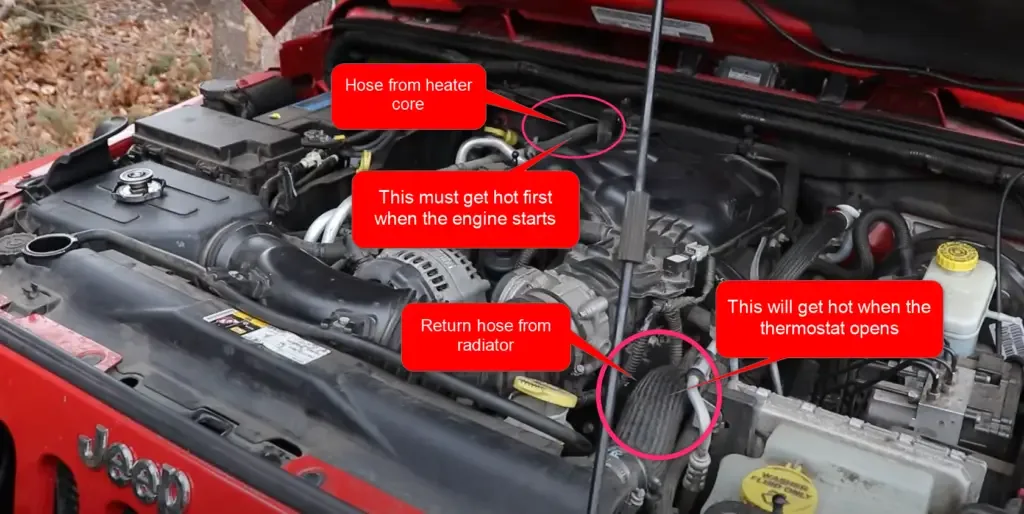
- ✦ Bad Thermostat
A stuck thermostat can block coolant flow and create overheating conditions.
- ✦ Blocked Radiator
Dirt, debris, or internal blockage can reduce radiator cooling ability.
Signs Your Wrangler Cooling System Needs Attention
Warning signs include a rising temperature gauge, coolant smell, steam, low coolant warnings, and inconsistent heater performance.
Drivers should not ignore repeated overheating because extreme heat can damage engine parts.
- ✦ Temperature Warning
A warning light or overheating gauge reading requires immediate inspection.
Coolant Maintenance and Temperature Control Tips
Proper maintenance is the foundation of the Jeep Wrangler Engine Cooling System and Temperature Management. Coolant should be checked regularly, especially before long trips or extreme off-road adventures.
Using the correct coolant type and following service intervals helps protect aluminum engine parts and cooling system seals.
- ✦ Check Coolant Level
Inspect the coolant reservoir when the engine is cold and keep the level within the recommended range.
- ✦ Inspect Hoses
Look for cracks, swelling, or leaks around coolant hoses and connections.
- ✦ Clean Radiator Area
Remove mud, leaves, and debris that can block airflow through the radiator.
Thermostat and Coolant Temperature Sensor Role
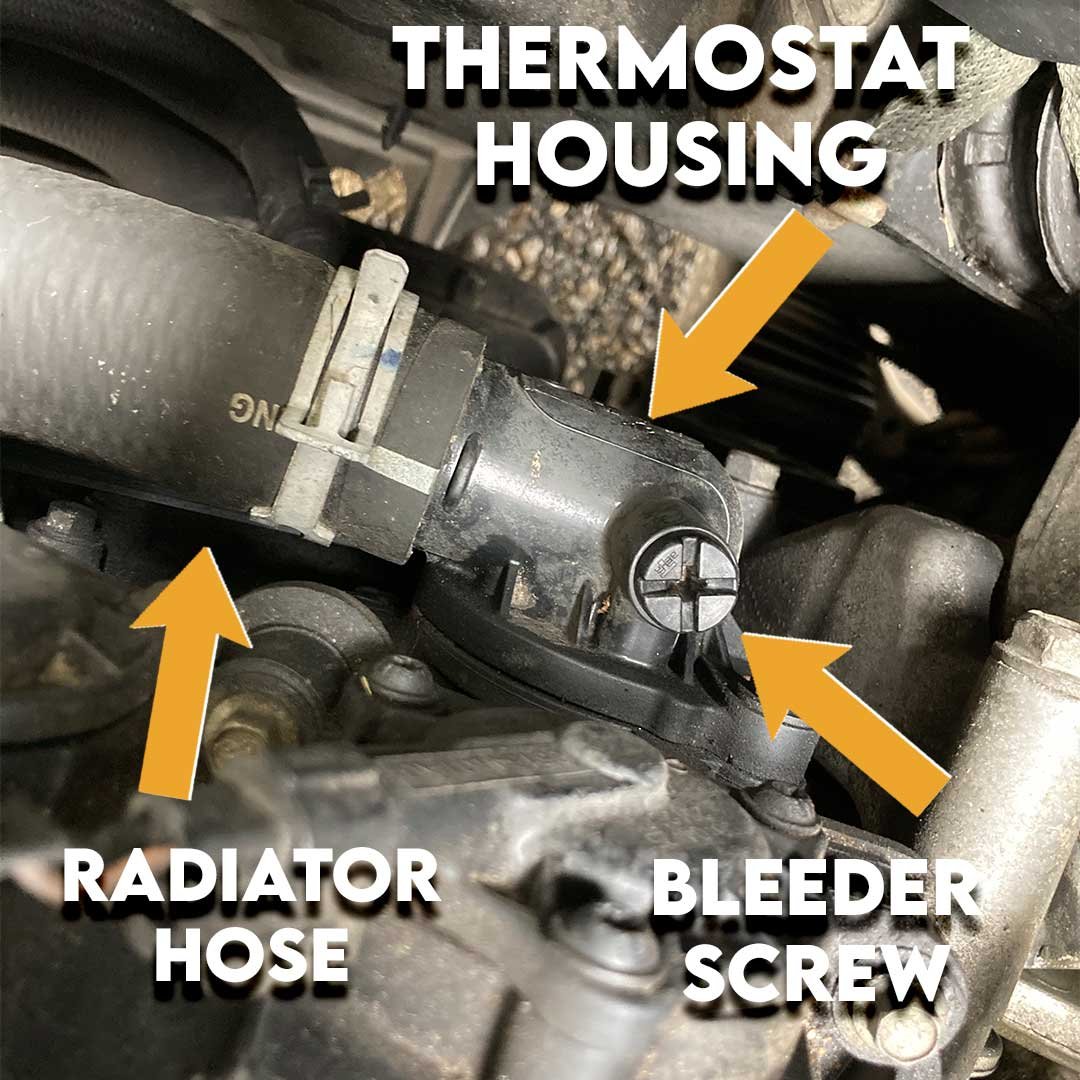
The thermostat and coolant temperature sensor are key parts of the Jeep Wrangler Engine Cooling System and Temperature Management. The thermostat controls coolant movement while the sensor reports engine temperature to the vehicle computer.
A faulty sensor can create incorrect temperature readings. A damaged thermostat can cause slow warm-up, overheating, or poor engine performance.
- ✦ Temperature Sensor
The sensor provides temperature information needed for engine control decisions.
- ✦ Thermostat Function
The thermostat opens and closes to maintain proper engine operating temperature.