The Complete Guide to Jeep Alternators Battery Charging and Electrical Power explains how the charging system works and how to keep it reliable. A Jeep depends on a healthy electrical system for starting, lighting, safety features, and modern technology. A weak alternator or battery can quickly turn a normal drive into a stressful repair situation.
From my experience studying vehicle electrical systems, many Jeep owners replace batteries first when they see warning lights or slow starts. However, the real issue often comes from the alternator, voltage regulator, wiring, or poor connections. Understanding the full system helps drivers make better repair decisions and avoid unnecessary costs.

Understanding How a Jeep Alternator Works
The alternator is the heart of the Jeep charging system. It converts engine power into electrical energy that charges the battery and runs vehicle electronics. Without a working alternator, the battery slowly loses power until the Jeep stops running.
The Complete Guide to Jeep Alternators Battery Charging and Electrical Power starts with understanding this basic process. The alternator uses a belt connected to the engine to spin internal parts. This movement creates electricity that flows through the charging system.
Modern Jeep models use smart charging controls that adjust voltage based on driving conditions. This helps improve fuel use and protects battery life.

- ✦ Rotor and stator operation
The rotor spins inside the alternator and creates a magnetic field. The stator turns this movement into electrical current.
- ✦ Voltage regulation
The voltage regulator controls electrical output to prevent overcharging or undercharging the battery.
- ✦ Power distribution
The alternator sends electricity to the battery and other Jeep electrical components.
Why Alternator Health Matters
A failing alternator can affect many systems at once. Drivers may notice dim headlights, dashboard warnings, weak air conditioning performance, or difficulty starting the Jeep.
Regular charging system checks can identify problems before they cause a complete vehicle shutdown.
- ✦ Early warning signs
Battery warning lights, unusual noises, and electrical failures often appear before total alternator failure.
Jeep Battery Charging System Explained
The Jeep battery stores electrical energy and provides power when the engine is off. When the engine starts, the alternator takes over and restores the energy used during startup.
A healthy charging system keeps battery voltage within the correct range. If charging voltage becomes too low, the battery may slowly drain. If voltage becomes too high, electrical parts may suffer damage.
The Complete Guide to Jeep Alternators Battery Charging and Electrical Power helps owners understand that the alternator and battery work as a team. Testing only one part may miss the real cause of a problem.

- ✦ Battery condition
A weak battery can create starting issues even when the alternator works correctly.
- ✦ Charging voltage
Most Jeep charging systems operate around normal automotive charging ranges, but exact values depend on model and control systems.
- ✦ Electrical connections
Clean battery terminals and strong ground connections improve charging performance.
Common Battery Charging Problems
Many Jeep owners experience problems after adding accessories such as lights, winches, sound systems, or camping equipment. Extra electrical demand can expose weaknesses in the charging system.
A battery that repeatedly dies may not be the problem itself. The alternator may not be replacing lost power during driving.
- ✦ Slow battery recovery
A damaged alternator may not produce enough current to recharge the battery after starting.
Signs of a Failing Jeep Alternator
Recognizing alternator problems early can save money and prevent being stranded. A failing alternator often gives several warning signs before it completely stops working.
In the Complete Guide to Jeep Alternators Battery Charging and Electrical Power, diagnosis begins with observation. Drivers should pay attention to changes in electrical performance, sounds, and dashboard alerts.

- ✦ Battery warning light
The charging system warning light may appear when alternator output drops below the required level.
- ✦ Dim or flickering lights
Unstable alternator output can cause headlights and interior lights to change brightness.
- ✦ Grinding or whining sounds
Worn bearings or internal alternator damage can create unusual noises.
- ✦ Electrical failures
Power windows, climate controls, and electronics may work poorly when voltage is unstable.
Testing Alternator Output
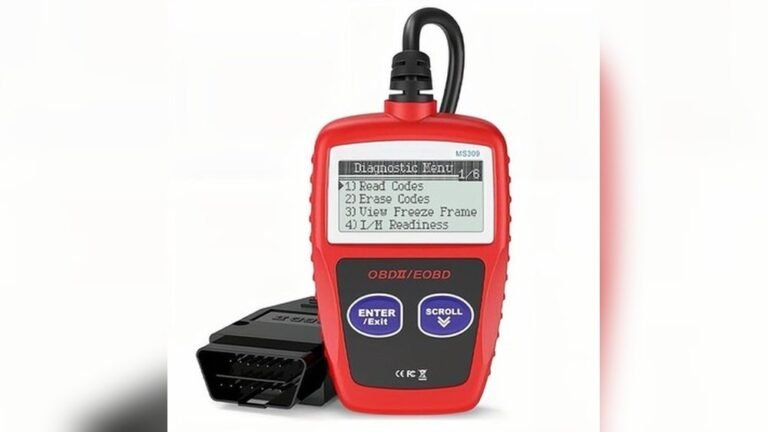
A digital multimeter is a useful tool for checking charging voltage. Testing should include battery voltage with the engine off and charging voltage while the engine runs.
Professional shops may also perform load tests to check whether the alternator can handle electrical demand.
- ✦ Visual inspection
Check belts, connectors, wiring, and corrosion before replacing parts.
Common Jeep Alternator and Charging System Problems
Jeep charging problems can come from many sources. The alternator is only one part of a larger electrical network that includes the battery, cables, fuses, and control modules.
A proper diagnosis prevents replacing expensive parts that are still working. Many electrical problems come from simple issues like loose cables or corrosion.

- ✦ Loose battery terminals
Poor connections reduce electrical flow and can mimic alternator failure symptoms.
- ✦ Damaged serpentine belt
The alternator cannot produce power if the belt cannot spin it properly.
- ✦ Bad ground connection
A weak ground path can interrupt charging and create strange electrical behavior.
Battery Drain Issues
Some Jeep batteries lose power because electrical devices continue drawing energy after the vehicle is turned off. This is called parasitic drain.
Finding the source of a drain may require electrical testing and patience.
- ✦ Accessory checks
Aftermarket electronics should be inspected when unexplained battery drain occurs.
Maintaining Your Jeep Electrical Power System
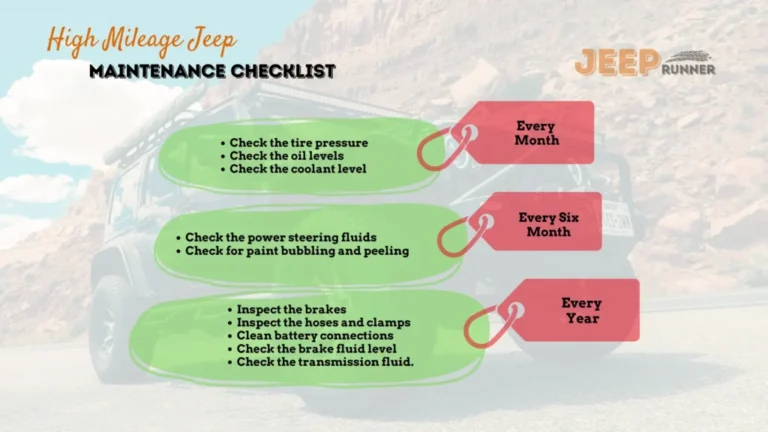
Preventive maintenance is one of the best ways to protect Jeep electrical performance. Simple checks can help drivers avoid sudden failures during daily use or off-road trips.
The Complete Guide to Jeep Alternators Battery Charging and Electrical Power recommends checking the complete charging system instead of focusing on one component.

- ✦ Inspect battery terminals
Remove corrosion and keep connections clean for better current flow.
- ✦ Check drive belts
A worn belt can reduce alternator performance and should be replaced when needed.
- ✦ Test charging voltage
Routine testing helps find weak charging performance early.
Choosing the Right Replacement Alternator
When replacement becomes necessary, choose an alternator that matches your Jeep model and electrical needs. Heavy accessory use may require a higher output unit.
Quality parts and correct installation help maintain reliable charging performance for years.
- ✦ OEM compatibility
The replacement alternator should meet factory specifications for proper operation.