Check parasitic draw with a multimeter, test battery health, and inspect key circuits.
I’ve spent years fixing Jeep electrical quirks, and I’ll walk you through clear steps for how to test Jeep battery drain. This guide explains tools, safety, step-by-step tests, and fixes so you can find the leak fast and keep your Jeep reliable.

Understanding Jeep battery drain and why it matters
Jeep battery drain happens when something draws power while the vehicle is off. A small current draw is normal. A large draw will kill the battery and leave you stranded.
Knowing how to test Jeep battery drain helps you find whether the battery, alternator, or an accessory is the cause. This guide blends hands-on steps and tips I learned fixing my own Jeep Wrangler and working with other owners.
Tools and safety basics before you test
Have these tools ready:
- Multimeter capable of measuring amps and volts.
- Fully charged battery or a battery charger.
- Insulated gloves and safety glasses.
- Socket set and small pry tool for fuses.
- Pen and paper to log amp readings.
Safety first. Disconnect the negative cable only when directed. Work in a dry, well-lit area. Avoid shorting battery terminals. If unsure, get professional help.

Step-by-step: how to test jeep battery drain
Follow these steps to pinpoint parasitic draw. I’ll use plain language and clear steps.
- Check battery voltage
- Start with the Jeep off and all doors closed. Wait 30 minutes for modules to sleep.
- Measure voltage at battery posts. A healthy, charged battery reads about 12.6 volts.
- If voltage is below 12.4 volts, charge or test the battery before further testing.
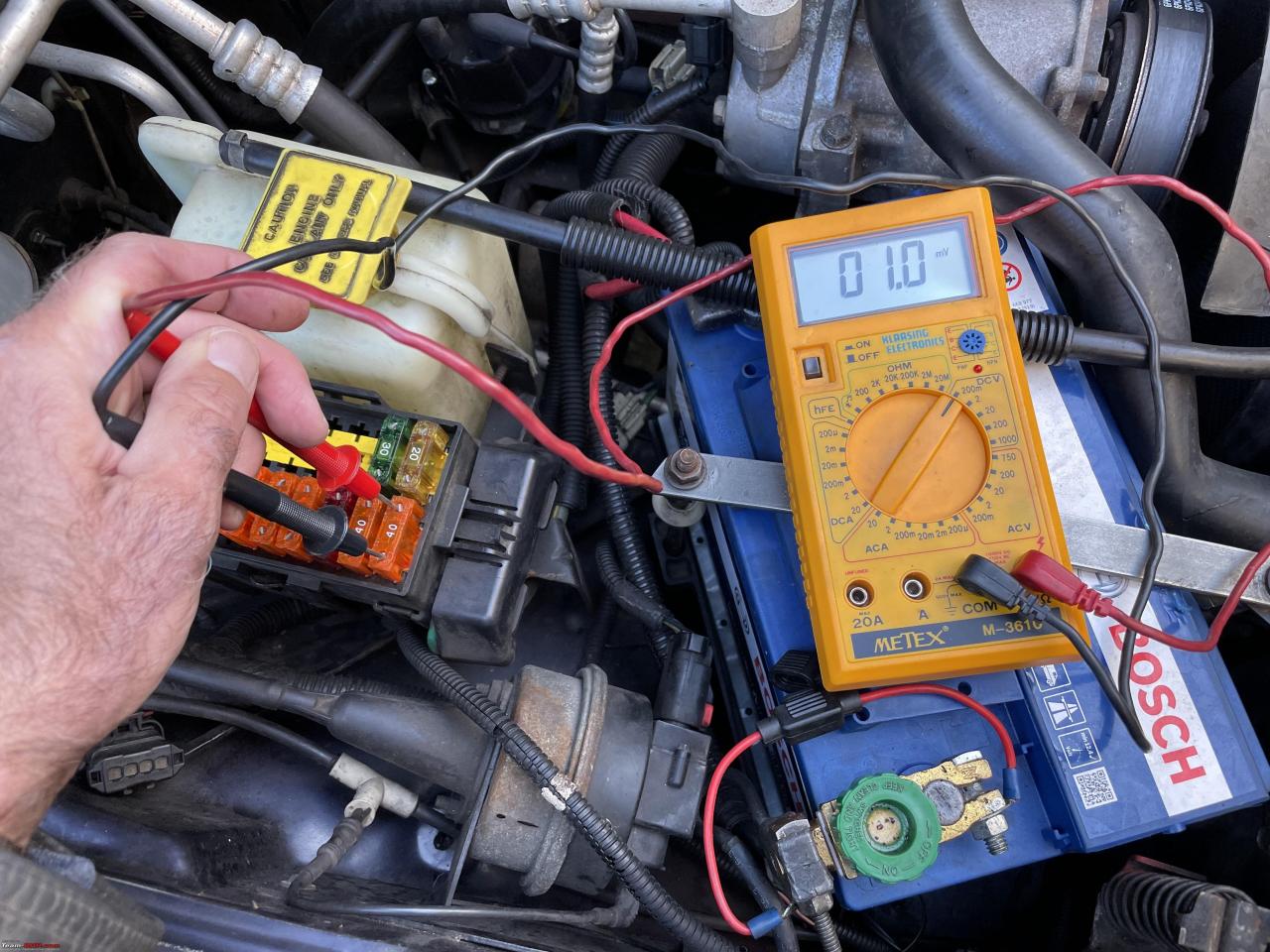
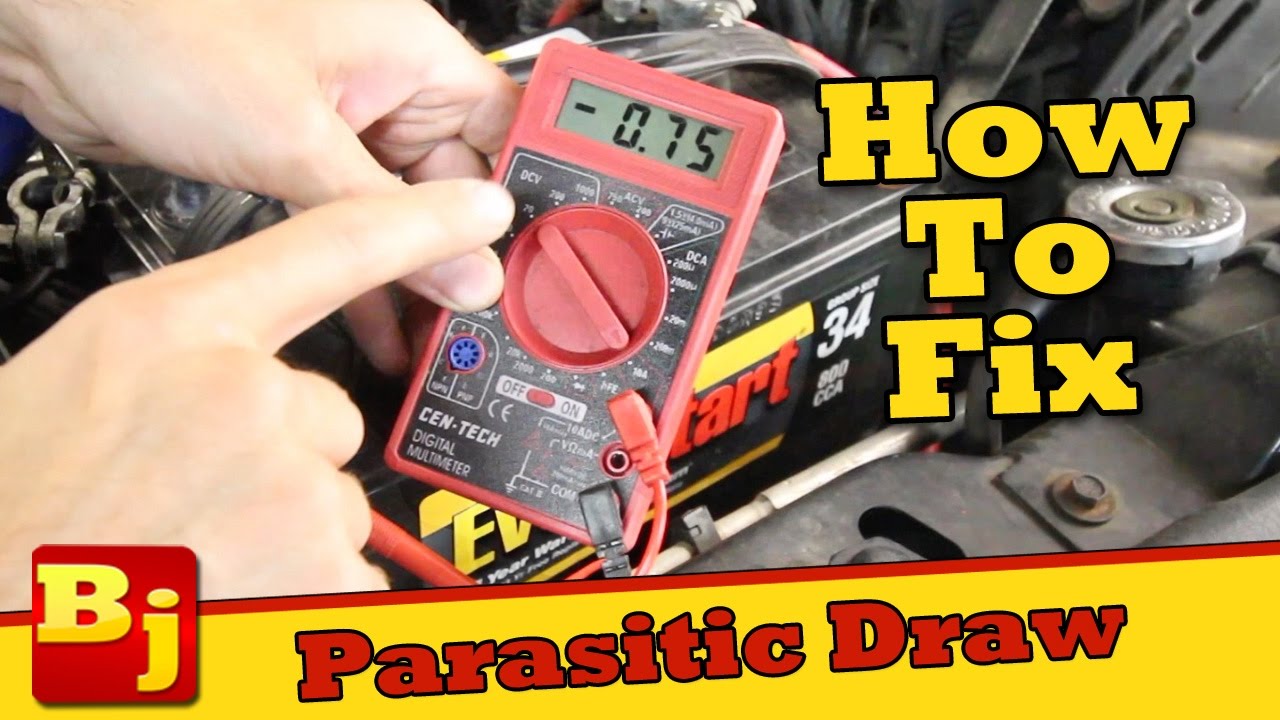
- Measure key-off current draw with a multimeter
- Set the multimeter to the amp or milliamp range.
- Disconnect the negative battery cable.
- Connect the multimeter in series between the negative battery post and negative cable. The meter reads current draw.
- Normal draw is usually 20–50 mA on modern Jeeps. Readings above 75–100 mA suggest a parasitic drain.
- Note the reading and the meter range. If the meter shows an overload, switch to a higher amp range briefly.
- Isolate the circuit by pulling fuses
- With the meter still in series, remove fuses one at a time.
- When the current drops significantly after removing a fuse, the drained circuit is behind that fuse.
- Check the fuse box layout to identify components on that circuit, such as the radio, BCM, or interior lights.
- Narrow down to a specific component
- Inspect devices on the suspect circuit. Common culprits include aftermarket alarms, stereo amps, USB chargers, and trunk lights.
- Unplug or remove components one by one and watch the multimeter.
- If unplugging a component drops current to normal, that component or its wiring is the cause.
- Test the battery and charging system
- Perform a battery load test or take the battery to an auto parts store for testing.
- Start the Jeep and measure voltage at idle. A healthy alternator reads 13.8–14.6 volts.
- Low charging voltage plus discharge points to alternator or battery failure rather than parasitic draw.
- Advanced checks and BCM sleep wake behavior
- Some Jeeps have modules that wake intermittently. Allow 30 minutes after disconnecting doors and keys for a true “sleep” reading.
- Use scan tools or OBD-II apps to check for modules awake. A flashing key or modules that refuse to sleep may point to a software or BCM issue.
- Reprogramming or module reset might be needed for persistent wake issues.

Common causes of Jeep battery drain
These causes show up often when I test Jeep battery drain on vehicles in the shop or on the trail.
-
Aftermarket electronics
Many Jeep owners add stereos, lighting, or alarms. Poor installs or constant power taps create draws. -
Interior or trunk lights
A stuck switch or sensor can keep lamps on without showing obvious signs. -
Faulty battery or alternator
Weak batteries fail to hold charge. A bad alternator undercharges, stressing the battery. -
Body control module (BCM) or software bugs
Modules that won’t sleep due to faults or recent repairs cause repeated wakes and drain. -
Corroded or loose connections
High resistance at terminals and grounds leads to poor charging and odd electrical behavior.

Real-world example from my experience
Once, my Jeep showed a 300 mA drain. I followed the steps above. Pulling fuses dropped the draw only when I pulled the fuse for an aftermarket stereo amp. The amp was wired to a constant 12V feed. Rewiring the amp to a switched 12V solved it. The Jeep then kept its charge for weeks.
Lessons learned:
- Always check aftermarket gear first.
- Log your steps and changes. That record helps when retracing tests.
- Be patient while modules sleep. Rushing can give false readings.

Troubleshooting checklist and quick fixes
Use this checklist while you test Jeep battery drain:
- Confirm battery is fully charged and healthy.
- Allow modules to go to sleep before measuring.
- Use the correct meter range and series connection technique.
- Pull fuses to isolate the circuit.
- Inspect suspicious wiring and connectors.
- Check for interior lights, glove box, and trunk light issues.
- Test alternator output while engine runs.
- If a module misbehaves, consider disconnecting battery for 10 minutes to reset.
- Rewire or add an ignition-switched feed for aftermarket devices.
- Replace bad fuses and corroded connectors.
- Replace a failing battery or alternator.
- Update software or reset modules if recommended by a dealer or service manual.
Preventive maintenance to avoid future drains
Do regular checks to prevent a repeat of battery drain:
- Inspect battery terminals and clean corrosion yearly.
- Remove or disable unnecessary aftermarket electronics.
- Park with a trickle charger during long storage.
- Keep door, hood, and trunk switches clean and working.
- Update vehicle software when recalls or technical service bulletins apply.
How to interpret test results and next steps
Interpreting results is simple:
- Low voltage but no parasitic draw: focus on battery health and charging system.
- Normal battery voltage and excessive draw: hunt for parasitic current using fuse pulls.
- Intermittent high draw: look for modules that wake or devices that turn on at intervals.
If you find a faulty module or wiring you can’t fix, document the findings and consult a professional. Share your amp readings and steps taken. That speeds repairs and can save money.
Frequently Asked Questions of how to test jeep battery drain
What level of amp draw is normal on a Jeep overnight?
Normal draw for modern Jeeps is typically 20–50 milliamps with modules asleep. Values above 75–100 milliamps often indicate a parasitic problem.
Can a weak battery cause a false parasitic reading?
Yes. A weak battery can confuse diagnostics because it may read low voltage before a true parasitic draw is confirmed. Charge or test the battery first.
Do aftermarket alarms always cause battery drain?
Not always. Properly installed alarms use a small standby current. Poor installs or models with constant power taps commonly cause excessive drain.
How long should I wait for modules to sleep before testing?
Wait at least 30 minutes with doors closed and key out for modules to enter sleep mode. Some Jeeps may take longer after recent activity.
Is it safe to measure current with any multimeter?
No. Use a meter rated for the expected amp range and follow the series connection method. Using the wrong setting can blow a fuse or damage the meter.
Conclusion
Testing and fixing Jeep battery drain is a methodical process. Start by ensuring a healthy battery, then measure key-off current, isolate circuits with fuses, and inspect suspect components. My hands-on experience shows that aftermarket gear and sleepy modules are common causes, and careful step-by-step testing yields quick wins.
Take action today: charge the battery, get a reliable multimeter, and follow the steps in this guide to diagnose your Jeep. If the problem persists, share your findings with a mechanic or on Jeep forums to get targeted help. Leave a comment with your amp readings or story — I’ll help troubleshoot.