Jeep Transfer Case Families and Compatibility Across Jeep Models can look confusing because Jeep used many different systems across decades. From classic Cherokee XJ models to modern Wrangler and Grand Cherokee vehicles, each transfer case was designed around specific transmissions, engines, and driving needs.
After studying Jeep drivetrain systems, one lesson stands out: a transfer case swap is rarely just a bolt-on job. Matching the correct family, gear ratio, input shaft, and control system is the key to a reliable 4WD setup.
For U.S. Jeep owners, understanding transfer case families helps with repairs, upgrades, off-road builds, and finding the right replacement unit without wasting money.
Understanding Jeep Transfer Case Families and Their Purpose
A transfer case is a drivetrain component that sits behind the transmission. It splits engine power between the front and rear axles in four-wheel-drive Jeep models.
Jeep Transfer Case Families and Compatibility Across Jeep Models depend on several factors. A case that works in one Jeep may not fit another Jeep because of different transmissions, sensors, and mounting designs.
The main job of a transfer case is to provide traction when driving on mud, snow, rocks, sand, and other difficult surfaces. Some systems also provide low-range gearing for slow technical trails.
- ✦ Power Distribution
The transfer case sends torque to front and rear axles when four-wheel drive is selected.
- ✦ Low Range Capability
Many Jeep transfer cases include a lower gear mode for crawling and heavy loads.
- ✦ Vehicle Compatibility
Correct fit depends on drivetrain parts, not only the Jeep model name.
Why Jeep Used Different Transfer Case Designs
Jeep built different transfer case families because each vehicle had different goals. A Wrangler focused on off-road strength, while a Grand Cherokee often needed smoother automatic operation on highways.
- ✦ Off-road strength
Wrangler systems often prioritize durability and manual control.
NP231 Transfer Case Family: The Classic Jeep Workhorse
The NP231 transfer case is one of the most recognized Jeep systems. It became popular because it was simple, durable, and easy to rebuild.
Jeep Transfer Case Families and Compatibility Across Jeep Models often start with the NP231 because it appeared in many Cherokee XJ, Wrangler YJ, and Wrangler TJ applications.
The NP231 uses a part-time four-wheel-drive design. Drivers typically select two-wheel drive, four-wheel drive high, or four-wheel drive low depending on road conditions.

- ✦ Common Applications
Used in many Jeep Cherokee XJ and Wrangler models from the late 1980s through the 2000s.
- ✦ Strength Advantage
Its simple design makes rebuilding and aftermarket upgrades widely available.
NP231 Compatibility Factors
Even when two Jeeps use an NP231, the units may not interchange directly. Input shaft length, spline count, and transmission pairing must match.
- ✦ Transmission Match
The transfer case must connect correctly with the transmission output shaft.
NP242 Transfer Case Family: Full-Time Four-Wheel Drive Capability
The NP242, also called the Jeep Select-Trac transfer case, added more flexibility than the NP231. It allowed drivers to use full-time four-wheel drive on paved roads.
The NP242 became popular in Jeep Cherokee XJ and Grand Cherokee ZJ models because it offered better daily driving comfort while keeping off-road ability.
When comparing Jeep Transfer Case Families and Compatibility Across Jeep Models, the NP242 stands out because of its multiple driving modes.

- ✦ Driving Modes
Common modes include two-wheel drive, full-time four-wheel drive, part-time four-wheel drive, and low range.
- ✦ Daily Driver Benefit
Full-time operation makes it useful for changing weather conditions.
NP242 Swap Considerations
A swap requires checking transmission compatibility, linkage setup, and driveshaft length. The case itself is only one part of the complete drivetrain system.
- ✦ Check Electronics
Some models use different sensors and controls.
NV247 and Modern Jeep Grand Cherokee Transfer Cases
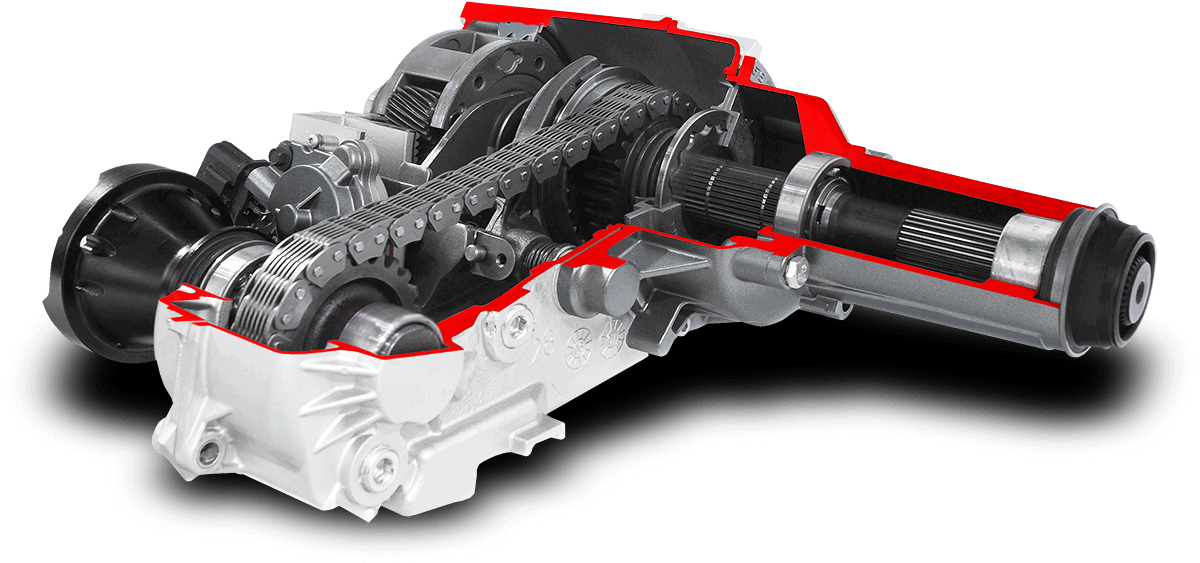
Newer Jeep Grand Cherokee models moved toward electronically controlled transfer cases. The NV247 family used a progressive coupling system to manage torque automatically.
Unlike older mechanical systems, the NV247 reacts to wheel speed differences and sends power where traction is needed.
Jeep Transfer Case Families and Compatibility Across Jeep Models became more complex in modern vehicles because computers, sensors, and software became part of drivetrain operation.
- ✦ Automatic Operation
The system adjusts torque distribution without constant driver input.
- ✦ Electronic Integration
Modern transfer cases communicate with vehicle control modules.
Common NV247 Compatibility Limits
NV247 units usually require matching electronics and transmission combinations. They are not simple replacements for older mechanical transfer cases.
- ✦ Vehicle Generation
Always match the transfer case with the correct Jeep generation.
NV241 and Rubicon Transfer Case Family
The NV241 transfer case became famous through Jeep Wrangler Rubicon models. It was designed for serious off-road use with a strong low-range gear ratio.
Rubicon models gained additional trail capability because the transfer case worked together with locking differentials and stronger axles.
When researching Jeep Transfer Case Families and Compatibility Across Jeep Models, NV241 systems are usually connected with high-demand off-road applications.

- ✦ Rubicon Strength
Built for slow-speed crawling and difficult terrain.
- ✦ Low Range
Provides increased torque control during technical driving.
NV241 Swap Challenges
Installing an NV241 into another Jeep may require changes to driveshafts, transmission adapters, and control components.
- ✦ Adapter Requirements
Some combinations need aftermarket adapter parts.
Jeep Transfer Case Compatibility by Model Family
Different Jeep models used different transfer case families based on their purpose and production year. Knowing the vehicle platform is the first step before choosing a replacement.
The Jeep Cherokee XJ, Wrangler YJ and TJ, Grand Cherokee ZJ and WJ, and newer Jeep models each have unique drivetrain combinations.
A correct match requires checking the complete drivetrain, including engine, transmission, and axle setup.
- ✦ Wrangler Models
Commonly used NP231, NV241, and related heavy-duty systems.
- ✦ Cherokee Models
Frequently used NP231 and NP242 systems.
- ✦ Grand Cherokee Models
Used systems such as NP242, NV247, and NV140 depending on year.
Important Compatibility Checks Before Buying
Before purchasing a used or rebuilt transfer case, confirm the exact Jeep year, transmission, spline count, and part number.
- ✦ Part Number Verification
Matching part numbers reduce the risk of installation problems.