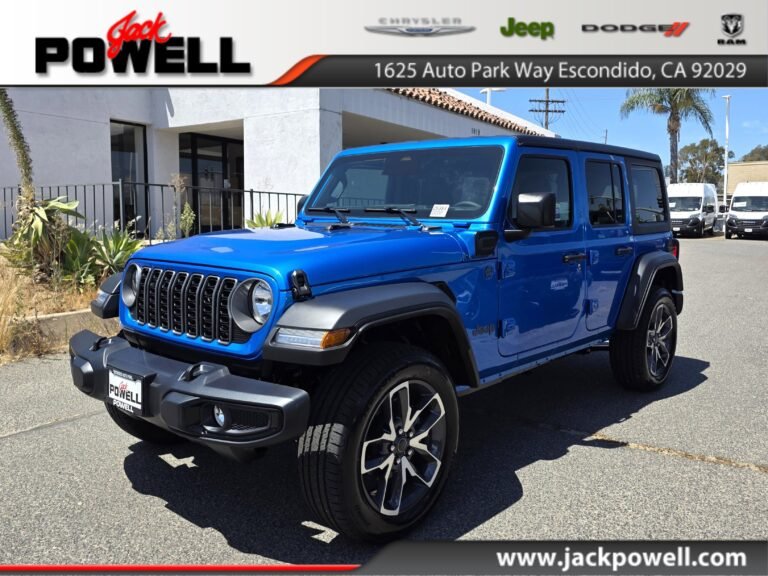
Jeep Differential and Axle Families Across Jeep Models can look confusing because Jeep has used many axle designs over decades. A Wrangler built for rock crawling may use different axle parts than a Grand Cherokee built for highway comfort and family use.
From my experience studying Jeep platforms and drivetrain systems, the axle is one of the most important parts to understand before buying upgrades. A correct axle choice improves reliability, performance, and safety on American roads and trails.
This guide explains Jeep axle families, differential designs, common model applications, and what owners should know before repairs or swaps.
Understanding Jeep Differential and Axle Families Across Jeep Models
A Jeep axle assembly has three main jobs. It supports vehicle weight, transfers engine power to the wheels, and allows wheels to rotate at different speeds during turns.
The differential sits inside the axle housing and manages wheel speed differences. This system matters during daily driving, towing, and off-road situations.
Jeep Differential and Axle Families Across Jeep Models changed over time as Jeep introduced stronger vehicles, new platforms, and different customer needs.
- ✦ Axle Housing
The housing protects gears, shafts, and differential parts from damage.
- ✦ Differential Unit
The differential controls power delivery between left and right wheels.
- ✦ Axle Shafts
Axle shafts carry engine power from the differential to the wheels.
Dana Axle Families Used in Jeep Vehicles
Dana axles are among the most recognized axle families in Jeep history. Many classic Jeep models use Dana designs because they offer strong construction and easy aftermarket support.
The Dana 30, Dana 35, Dana 44, and Dana 60 are common names among Jeep owners. Each axle has different limits based on size, shafts, gears, and vehicle weight.
When comparing Jeep Differential and Axle Families Across Jeep Models, Dana axles are often the starting point because of their popularity in both stock and modified Jeeps.
- ✦ Dana 30
A common front axle known for light weight and good everyday performance.
- ✦ Dana 35
A rear axle used in many Jeeps but often upgraded for high power or extreme trails.
- ✦ Dana 44
A stronger axle choice used by many Jeep enthusiasts for off-road builds.
Why Dana Axles Are Popular for Jeep Builds
Dana axles have strong aftermarket support. Owners can find gears, lockers, shafts, and repair parts easily.
This makes Dana axle platforms attractive for Jeep owners who want long-term upgrade options.
- ✦ Aftermarket Support
Many companies produce upgrade parts for Dana axle families.
Jeep Wrangler Axle Families by Generation
Wrangler models from different generations use different axle combinations. The YJ, TJ, JK, JL, and JT Gladiator each brought changes in strength and technology.
Older Wranglers often used simpler solid axles, while newer models added advanced electronic systems while keeping strong off-road capability.
Understanding Wrangler axle history helps buyers select parts that match their generation.
- ✦ YJ Wrangler
Commonly used Dana 30 front and Dana 35 rear axle combinations.
- ✦ TJ Wrangler
Known for strong aftermarket support and popular axle upgrades.
- ✦ JK and JL Wrangler
Use modern axle designs with improved strength and electronic features.
Cherokee, Grand Cherokee, and SUV Axle Families
Jeep Cherokee and Grand Cherokee models use a wide range of axle systems because they serve different driving purposes.
The Cherokee XJ became famous for its solid axle design and simple mechanical layout. The Grand Cherokee introduced more comfort-focused systems while keeping Jeep capability.
Jeep Differential and Axle Families Across Jeep Models include both traditional solid axles and newer independent-style systems depending on platform design.
- ✦ Cherokee XJ
Known for durable solid axle setups and strong off-road popularity.
- ✦ Grand Cherokee
Uses axle designs focused on balance between comfort and performance.
Gear Ratios and Differential Options in Jeep Axles
Gear ratio selection changes how a Jeep feels while driving. Lower gears improve low-speed power, while higher gears improve highway efficiency.
Differential options also affect traction. Open differentials work well for normal driving, while lockers improve control in difficult terrain.
Choosing the right setup requires matching tires, engine power, transmission, and driving style.
- ✦ Open Differential
A simple design that works well for everyday driving.
- ✦ Limited Slip Differential
Provides extra traction without a full locking system.
- ✦ Locking Differential
Improves traction during serious off-road use.