The Complete Guide to Jeep Wrangler Oil Pressure and Lubrication System explains how engine oil moves through your Wrangler, why pressure matters, and how to prevent costly damage. A Jeep Wrangler often faces tough conditions in the USA, from highway driving to off-road trails, so a strong lubrication system is essential.
After working with vehicle maintenance topics, one lesson is clear: many serious engine problems begin with small oil system warnings. Understanding oil pressure readings, warning lights, and maintenance habits helps Jeep owners make better decisions before repairs become expensive.
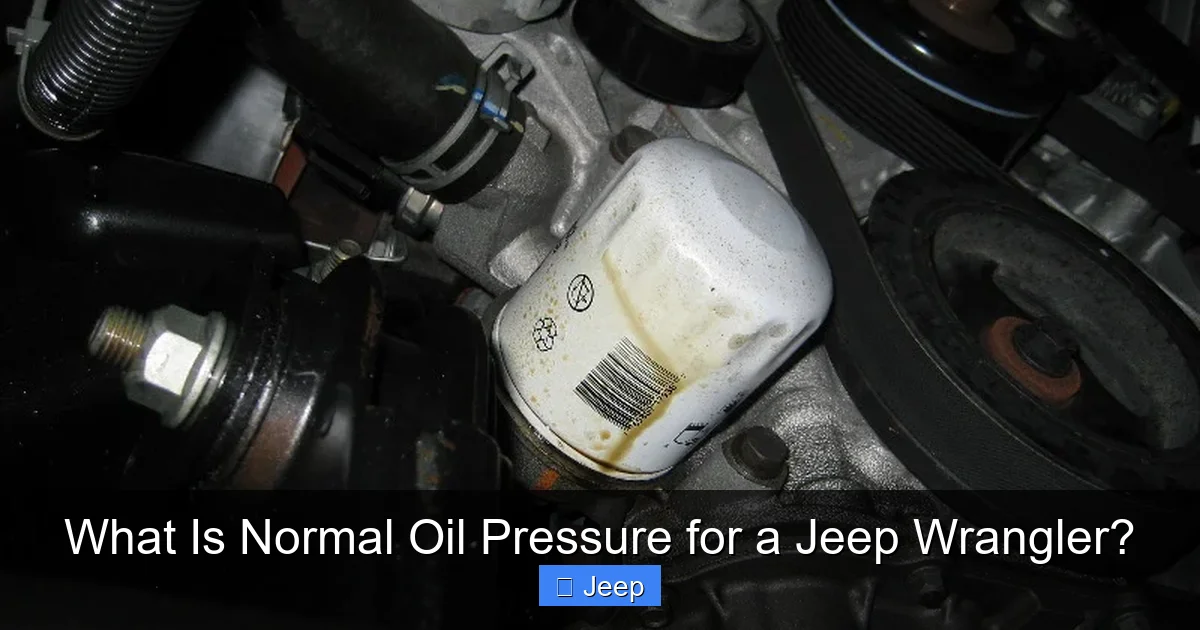
Understanding the Jeep Wrangler Lubrication System
The Jeep Wrangler lubrication system delivers clean oil to moving engine parts. It reduces friction, controls heat, and removes small particles that can damage components.
The Complete Guide to Jeep Wrangler Oil Pressure and Lubrication System starts with the basics. Oil moves from the oil pan through the oil pump, filter, and internal engine passages before reaching bearings and other parts.

- ✦ Oil pump
The oil pump creates the pressure needed to move oil throughout the engine.
- ✦ Oil filter
The filter removes dirt and metal particles before oil reaches sensitive engine areas.
- ✦ Oil passages
Small channels inside the engine carry oil to parts that need protection.
Why Oil Pressure Matters
Oil pressure creates a protective layer between moving metal parts. Without enough pressure, engine surfaces can wear quickly.
A Wrangler with poor oil pressure may show warning lights, unusual sounds, or reduced performance.
Normal Jeep Wrangler Oil Pressure Range
Oil pressure changes based on engine temperature, RPM, oil type, and driving conditions. A cold engine usually shows higher pressure than a warm engine.
The Complete Guide to Jeep Wrangler Oil Pressure and Lubrication System recommends checking your owner’s manual because acceptable ranges vary by engine model and year.
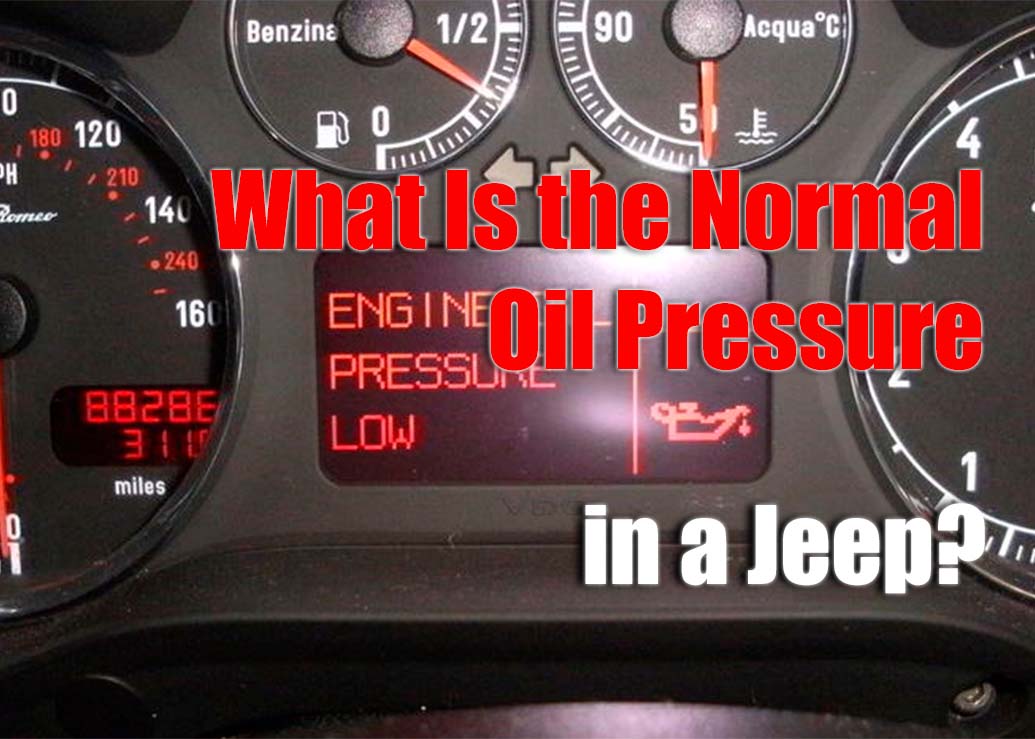
- ✦ Cold start pressure
Higher readings after startup are normal because oil is thicker when cold.
- ✦ Warm engine pressure
Pressure usually decreases after oil reaches normal operating temperature.
Common Causes of Low Oil Pressure in Jeep Wrangler
Low oil pressure is one of the most important warnings a Wrangler owner should not ignore. It can happen because of simple maintenance issues or deeper mechanical problems.
Finding the cause early can prevent severe engine damage and expensive repairs.

- ✦ Low oil level
Insufficient oil can prevent the pump from building proper pressure.
- ✦ Worn oil pump
A damaged pump may fail to circulate enough oil.
- ✦ Bad oil pressure sensor
A faulty sensor can create false warning readings.
- ✦ Engine wear
Large internal clearances can reduce oil pressure.
Oil Pressure Sensor Problems
Many Jeep Wrangler owners experience warning lights caused by failing oil pressure sensors. Testing the sensor before replacing major parts can save time and money.
How to Maintain Jeep Wrangler Oil Pressure
Good maintenance is the easiest way to protect your Wrangler lubrication system. Regular checks help detect problems before they become serious.
The Complete Guide to Jeep Wrangler Oil Pressure and Lubrication System shows that simple habits often provide the biggest benefits.

- ✦ Change oil on schedule
Follow the recommended service interval for your Wrangler model.
- ✦ Use correct oil
Choose oil viscosity and specifications recommended by Jeep.
- ✦ Inspect leaks
Oil leaks can lower fluid levels and reduce pressure.
Frequently Asked Questions about Complete Guide to Jeep Wrangler Oil Pressure and Lubrication System

Jeepexplorerr
Contributor