The Complete Guide to Jeep Wrangler Cooling and Engine Temperature Management explains how your Wrangler controls engine heat and how to keep the system working properly. Whether you drive through hot U.S. summers, tow equipment, or explore rough trails, proper temperature control is critical for engine life.
From my experience studying vehicle maintenance issues, many Jeep cooling problems start with small signs like low coolant, weak airflow, or a slow temperature rise. Finding these issues early is easier and cheaper than repairing an overheated engine.
This Complete Guide to Jeep Wrangler Cooling and Engine Temperature Management covers the main cooling parts, normal temperatures, common failures, and practical maintenance steps for Jeep owners.
How the Jeep Wrangler Cooling System Works
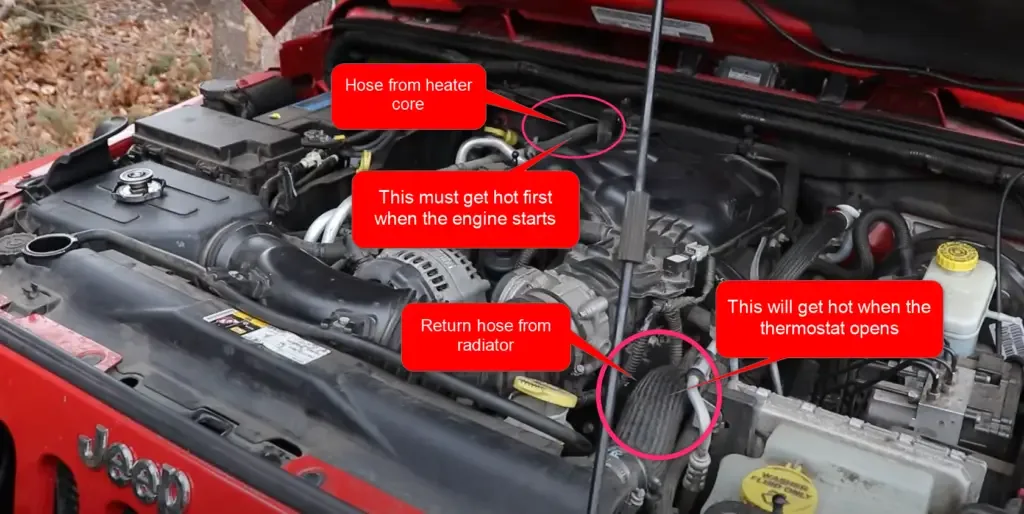
The Jeep Wrangler cooling system removes extra heat created during engine operation. The system uses coolant, a radiator, water pump, thermostat, cooling fans, and hoses to control temperature.
The Complete Guide to Jeep Wrangler Cooling and Engine Temperature Management starts with understanding coolant movement. The water pump pushes coolant through the engine, where it absorbs heat before moving to the radiator.
The radiator releases heat into outside air. Fans help when airflow is low, such as during slow trail driving or heavy traffic.

- ✦ Radiator
The radiator cools hot coolant before it returns to the engine.
- ✦ Water Pump
The water pump keeps coolant moving through the engine and cooling system.
- ✦ Thermostat
The thermostat controls when coolant flows based on engine temperature.
Main Cooling System Components
Each part has a specific job. A failure in one area can increase engine temperature and create stress on other components.
- ✦ Cooling Fan
The fan increases airflow through the radiator when natural airflow is not enough.
Normal Jeep Wrangler Engine Temperature Range
Most Jeep Wrangler models operate near normal engine temperatures when the cooling system works correctly. The exact range depends on engine type, driving conditions, and outside temperature.
The Complete Guide to Jeep Wrangler Cooling and Engine Temperature Management helps owners understand that temperature changes are normal. A small increase during climbing or towing does not always mean a problem.
A sudden rise toward overheating levels, warning lights, steam, or coolant loss needs attention.
- ✦ Normal Driving
The temperature should remain stable during regular highway and city driving.
- ✦ Heavy Use
Towing, climbing, and off-road driving can increase heat production.
Common Causes of Jeep Wrangler Overheating
Overheating usually happens because the cooling system cannot remove heat fast enough. The cause may be simple, such as low coolant, or more serious, such as a damaged radiator.
The Complete Guide to Jeep Wrangler Cooling and Engine Temperature Management shows why regular inspections matter. Small leaks and worn parts often become bigger problems when ignored.
- ✦ Low Coolant Level
Low coolant reduces heat transfer and can cause higher engine temperatures.
- ✦ Blocked Radiator
Dirt, debris, or internal blockage can reduce cooling ability.
- ✦ Bad Thermostat
A stuck thermostat can prevent proper coolant circulation.
Signs Your Jeep Cooling System Needs Attention
Common warning signs include temperature spikes, coolant smell, visible leaks, and frequent fan operation.
- ✦ Temperature Warning
A warning light or gauge movement should never be ignored.
Coolant Selection and Maintenance for Jeep Wrangler
Using the correct coolant type is important for corrosion protection and heat control. Jeep owners should follow the coolant recommendation for their specific model year.
The Complete Guide to Jeep Wrangler Cooling and Engine Temperature Management recommends checking coolant levels often and inspecting the reservoir for changes.
Old coolant can lose its protective qualities, so scheduled coolant replacement helps maintain system performance.
- ✦ Check Coolant Level
Inspect coolant levels when the engine is cool to avoid inaccurate readings.
- ✦ Inspect Coolant Condition
Look for unusual color changes, particles, or contamination.
Cooling Fan, Sensor, and Electrical Problems
Modern Jeep Wranglers use sensors and electronic controls to manage engine temperature. A faulty temperature sensor can send incorrect information to the vehicle computer.
The Complete Guide to Jeep Wrangler Cooling and Engine Temperature Management includes sensor diagnosis because electrical problems can look like mechanical failures.
Cooling fan issues are common when airflow drops during slow driving or extreme conditions.

- ✦ Temperature Sensor Failure
A bad sensor can create incorrect temperature readings.
- ✦ Fan Failure
A failed fan can cause overheating during low-speed driving.
Jeep Wrangler Cooling Maintenance Tips for Long-Term Reliability
Preventive care is the best way to protect your Wrangler engine. A simple inspection routine can prevent many overheating failures.
The Complete Guide to Jeep Wrangler Cooling and Engine Temperature Management recommends checking the cooling system before long trips, towing, or off-road adventures.

- ✦ Inspect Hoses
Look for cracks, swelling, leaks, or soft areas.
- ✦ Clean Radiator Area
Remove mud, leaves, and debris that block airflow.
- ✦ Monitor Temperature
Watch for unusual changes during different driving conditions.
Frequently Asked Questions about Complete Guide to Jeep Wrangler Cooling and Engine Temperature Management

Jeepexplorerr
Contributor