The Complete Guide to Jeep Wrangler Fuel Delivery and Injection Systems explains how your Wrangler moves fuel from the tank to the combustion chamber. This system is one of the most important parts of engine operation because even a small fuel problem can cause rough running, poor acceleration, or a no-start condition.
From years of working with vehicle systems and diagnosing engine issues, I have found that many Wrangler owners focus on oil changes and tires but overlook fuel system health. A clean and properly working fuel delivery system helps your Jeep handle daily driving, highway trips, and off-road adventures across the United States.
The Complete Guide to Jeep Wrangler Fuel Delivery and Injection Systems covers fuel pumps, injectors, fuel rails, sensors, common failures, maintenance steps, and troubleshooting methods in simple terms. Understanding these parts helps you make better repair decisions and avoid unnecessary replacements.
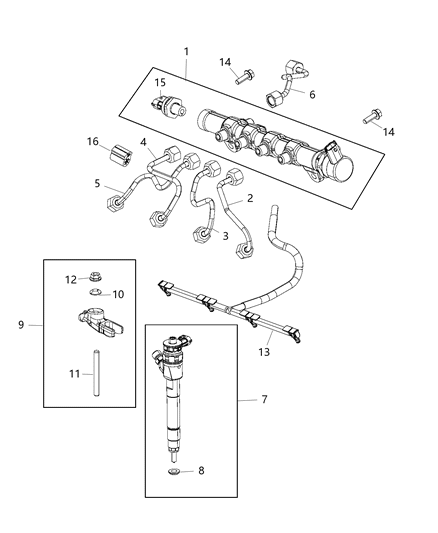
How the Jeep Wrangler Fuel Delivery System Works
The Jeep Wrangler fuel delivery system has one main job: move fuel from the tank to the engine with the correct pressure and amount. The system must work with the engine computer to deliver fuel at the exact moment it is needed.
Modern Wrangler models use electronic fuel injection instead of older carburetor designs. The engine control module reads data from sensors and adjusts fuel flow based on driving conditions, engine load, and temperature.
The Complete Guide to Jeep Wrangler Fuel Delivery and Injection Systems starts with understanding this basic flow because every component depends on the others working correctly.
- ✦ Fuel Storage
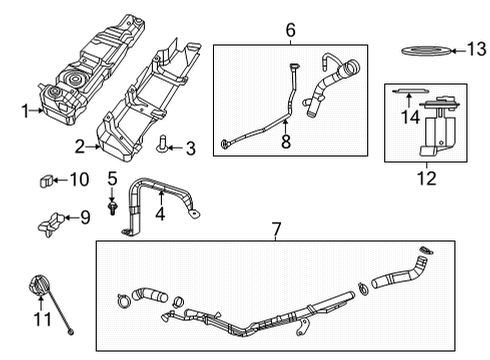
The fuel tank stores gasoline and contains parts like the fuel pump module and fuel level sensor.
- ✦ Fuel Movement
The fuel pump pushes gasoline through fuel lines toward the engine under controlled pressure.
- ✦ Fuel Delivery
Fuel injectors spray measured amounts of fuel into the engine intake area for combustion.
Main Fuel System Components
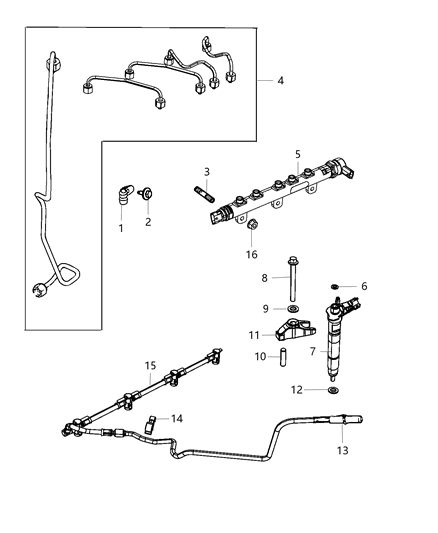
A Jeep Wrangler fuel system contains several connected parts. These include the fuel tank, pump, lines, filter, fuel rail, injectors, pressure controls, and electronic sensors.
Each component has a specific role. A weak fuel pump can reduce pressure, while dirty injectors can create uneven fuel spray and poor engine performance.
- ✦ Fuel Pump
Creates the pressure needed to send fuel from the tank to the engine.
- ✦ Fuel Rail
Holds fuel under pressure and distributes it to each injector.
Understanding Jeep Wrangler Fuel Injection Systems
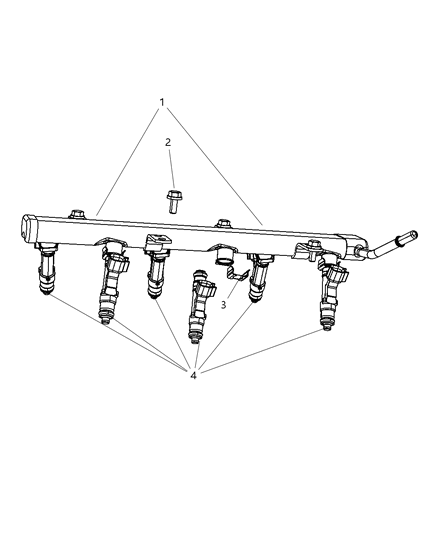
The fuel injection system controls how gasoline enters the engine. Instead of sending fuel continuously, electronic injectors open and close quickly based on commands from the engine computer.
The Complete Guide to Jeep Wrangler Fuel Delivery and Injection Systems shows why injection accuracy matters. The wrong fuel amount can reduce power, increase emissions, and create engine warning lights.
Most modern Jeep Wrangler models use multi-port fuel injection. Each cylinder receives fuel through its own injector for better control and smoother operation.
- ✦ Electronic Control
The engine computer adjusts injector timing using information from multiple sensors.
- ✦ Injector Spray Pattern
A clean injector creates a fine fuel mist that burns more efficiently.
Fuel Injectors Explained
Fuel injectors are small valves that deliver fuel into the engine. They must open at the right time and provide the correct amount of gasoline.
Dirty injectors may cause hesitation, rough idle, lower fuel economy, and engine misfires. Cleaning or replacement depends on the condition of the injector.
- ✦ Common Injector Problems
Clogging, leaks, electrical faults, and poor spray patterns are common injector issues.
Fuel Pump Operation and Common Jeep Wrangler Fuel Pump Problems
The fuel pump is the heart of the Wrangler fuel delivery system. It creates the pressure needed for fuel to reach the injectors and maintain engine operation.
A failing fuel pump can create many symptoms. Drivers may notice long cranking times, engine hesitation, loss of power during acceleration, or sudden stalling.
The Complete Guide to Jeep Wrangler Fuel Delivery and Injection Systems recommends checking fuel pressure before replacing expensive parts. Proper testing saves time and money.
- ✦ Weak Fuel Pressure
Low pressure can prevent the engine from receiving enough fuel during high demand.
- ✦ Electrical Failures
Damaged wiring, relays, or connectors can stop the pump from working.
Signs of a Bad Fuel Pump
A failing pump often gives warning signs before complete failure. Paying attention to these signs can prevent getting stranded.
A professional diagnosis should include pressure testing and electrical checks before replacing the pump.
- ✦ Hard Starting
The engine may take longer than normal to start because fuel pressure is low.
- ✦ Power Loss
The Jeep may struggle during towing, climbing, or highway acceleration.
Fuel System Sensors and Electronic Control
Modern Jeep Wranglers depend on sensors to control fuel delivery. These sensors send information to the engine computer, which adjusts injector operation.
The Complete Guide to Jeep Wrangler Fuel Delivery and Injection Systems includes sensors because electronic problems often look like mechanical failures.
A faulty sensor can create incorrect fuel calculations and trigger check engine lights.

- ✦ Oxygen Sensors
Measure exhaust gases and help adjust the air and fuel mixture.
- ✦ Mass Airflow Sensor
Measures incoming air so the computer can calculate proper fuel delivery.
- ✦ Fuel Pressure Sensor
Monitors fuel pressure and helps maintain stable operation.
Why Sensor Problems Are Difficult to Diagnose
A sensor issue may create symptoms similar to fuel pump or injector problems. Diagnostic tools help identify the actual cause.
Replacing parts without testing can lead to unnecessary repair costs.
Common Jeep Wrangler Fuel Delivery Problems and Solutions
Fuel system problems can happen because of age, contamination, electrical issues, or poor maintenance. Early diagnosis helps protect the engine and prevents bigger failures.
Many Wrangler owners first notice performance changes before a warning light appears. Reduced throttle response and rough running are common early signs.

- ✦ Clogged Fuel Injectors
Dirty injectors can reduce fuel flow and create uneven engine operation.
- ✦ Fuel Filter Restrictions
A blocked filter can reduce fuel pressure and limit engine performance.
- ✦ Fuel Line Issues
Damaged or leaking fuel lines can create safety risks and fuel loss.
Maintenance Tips for Long-Term Reliability
Regular maintenance keeps the fuel system working correctly. Use quality fuel, follow service schedules, and address warning signs early.
For Jeep owners who drive off-road, checking fuel system connections is especially important because vibration and harsh conditions can affect components.
- ✦ Use Quality Fuel
Good fuel reduces contamination and helps maintain injector performance.
- ✦ Perform Diagnostics
Scan engine codes and test fuel pressure when problems appear.
Frequently Asked Questions about Complete Guide to Jeep Wrangler Fuel Delivery and Injection Systems

Jeepexplorerr
Contributor