The Complete Guide to Jeep Wrangler Ignition and Engine Management explains how modern Wrangler models turn fuel and air into power. These systems work together every time you start your Jeep, drive through city roads, or climb rough trails across the United States.
From my experience studying vehicle systems and repair patterns, most Wrangler problems are easier to solve when you understand the connection between ignition parts and electronic controls. A small issue with a sensor, coil, or wiring can affect the entire driving experience.
This Complete Guide to Jeep Wrangler Ignition and Engine Management covers the main components, common failures, diagnostic methods, and maintenance steps that help Jeep owners keep their vehicles reliable.

Understanding the Jeep Wrangler Ignition System
The ignition system is the part of the Jeep Wrangler that creates and delivers the spark needed for combustion. Without a strong spark, the engine cannot burn fuel correctly and will lose power or fail to start.
Older Wranglers used simpler ignition designs, while newer models use advanced electronic controls. The modern system connects ignition parts with the engine computer for better fuel control and lower emissions.
- ✦ Ignition switch
The ignition switch sends electrical signals when the driver turns the key or presses the start button.
- ✦ Ignition coil
The ignition coil increases battery voltage so spark plugs can ignite the air and fuel mixture.
- ✦ Spark plugs
Spark plugs create the final spark inside the combustion chamber.
How Ignition Timing Works
Ignition timing controls when the spark happens inside the engine. The ECU adjusts timing based on engine speed, load, temperature, and sensor information.
Correct timing improves power, fuel economy, and engine life. Incorrect timing can cause rough running, knocking sounds, or poor acceleration.
- ✦ Electronic timing control
Modern Jeep Wranglers use computer-controlled timing instead of manual adjustment.
Major Components of Jeep Wrangler Engine Management
The engine management system is the brain of the Jeep Wrangler. It monitors engine conditions and makes constant adjustments to fuel delivery, ignition timing, and emissions control.
The heart of this system is the Engine Control Unit, often called the ECU or PCM. It receives data from sensors and controls many engine functions in real time.

- ✦ Engine Control Unit
The ECU processes sensor data and controls ignition, fuel injection, and engine performance.
- ✦ Air sensors
Sensors such as the mass airflow sensor and oxygen sensors help manage the air-fuel mixture.
- ✦ Crankshaft and camshaft sensors
These sensors tell the ECU the exact position and speed of engine parts.
Why Sensors Matter in Engine Performance
A Jeep Wrangler depends on accurate sensor data. If a sensor sends incorrect information, the ECU may adjust the engine incorrectly.
Many warning lights and drivability problems come from sensor issues rather than major engine damage.
- ✦ Common sensor symptoms
Symptoms may include poor fuel economy, rough idle, hesitation, or a check engine light.
Common Jeep Wrangler Ignition Problems and Causes
The Complete Guide to Jeep Wrangler Ignition and Engine Management would not be complete without understanding common failures. Ignition issues often appear as starting problems, misfires, or reduced engine power.
Many problems develop slowly. Regular inspection can catch worn parts before they create expensive repairs.
- ✦ Worn spark plugs
Old spark plugs can create weak ignition, misfires, and poor engine response.
- ✦ Bad ignition coil
A failing coil can stop a cylinder from receiving enough spark.
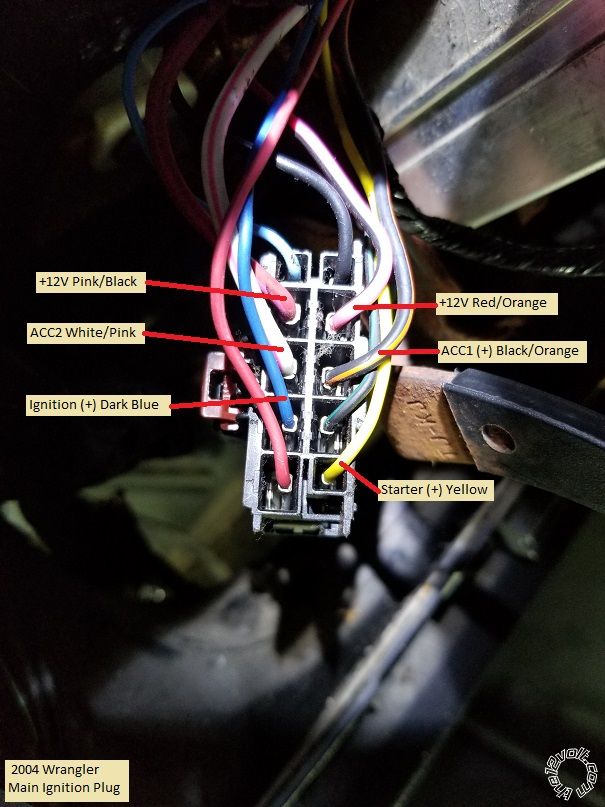
- ✦ Damaged wiring
Broken wires or poor connections can interrupt ignition signals.
Signs of Ignition Failure
A Wrangler with ignition problems may crank but not start, hesitate during acceleration, or run unevenly.
A diagnostic scan can help identify whether the problem comes from ignition components or another engine system.
- ✦ Warning signs
Look for engine misfires, flashing check engine lights, hard starts, and reduced power.
Diagnosing Jeep Wrangler Engine Management Issues
Modern diagnosis starts with gathering information from the vehicle computer. A scan tool can read trouble codes and show possible system failures.
However, a code does not always mean the listed part has failed. Skilled diagnosis requires checking wiring, connections, and related components.

- ✦ Use an OBD-II scanner
The scanner reads stored fault codes from the Jeep Wrangler computer.
- ✦ Check electrical connections
Loose plugs and damaged wires can create false sensor problems.
- ✦ Test before replacing parts
Proper testing prevents unnecessary repairs and wasted money.
Reading Diagnostic Trouble Codes
Diagnostic codes provide clues about engine problems. They should guide testing instead of becoming an automatic repair list.
For example, an oxygen sensor code may come from a vacuum leak or fuel problem rather than the sensor itself.
- ✦ Professional approach
Confirm the cause before replacing components.
Maintenance Tips for Reliable Jeep Wrangler Ignition Performance
Preventive maintenance keeps the ignition and engine management systems working properly. Jeep owners who drive off-road should pay extra attention because dust, water, and vibration can affect electrical parts.
A simple maintenance routine can improve reliability and reduce unexpected breakdowns during daily driving or outdoor trips.

- ✦ Replace spark plugs on schedule
Fresh spark plugs help maintain strong ignition and smooth engine operation.
- ✦ Inspect battery health
Low voltage can affect ignition performance and electronic systems.
- ✦ Keep connectors clean
Clean electrical connections reduce signal problems.
Off-Road Considerations
Jeep Wrangler owners often use their vehicles in harsh conditions. Water crossings, mud, and vibration can stress electrical systems.
After serious trail use, inspect wiring, battery terminals, and engine sensors for damage.
- ✦ Trail inspection
Check electrical components after extreme off-road conditions.
How Modern Jeep Wrangler Technology Improves Performance
Newer Jeep Wrangler models use advanced engine management technology to balance power, fuel efficiency, and emissions. Computer systems now make thousands of adjustments during normal driving.
Features such as electronic throttle control and advanced fuel injection help create smoother performance compared with older mechanical systems.
- ✦ Electronic throttle control
The ECU controls throttle response without a traditional cable connection.
- ✦ Adaptive engine control
The system learns driving conditions and adjusts engine operation.
Benefits of Modern Engine Management
Modern controls improve starting, power delivery, and fuel management. They also help technicians find problems faster.
The tradeoff is increased complexity, which makes proper diagnostics more important.
- ✦ Main benefit
Better control creates smoother and cleaner engine operation.
Frequently Asked Questions about Complete Guide to Jeep Wrangler Ignition and Engine Management

Jeepexplorerr
Contributor