The Complete Guide to Jeep Wrangler Engine Mounts and Drivetrain Mounting explains one of the most important but often ignored parts of a Jeep’s mechanical system. Engine mounts do more than hold the motor in place. They protect the drivetrain, improve comfort, and help your Wrangler handle daily driving and off-road abuse.
From years of working with vehicle systems, I have seen many Jeep owners focus on lifts, tires, and suspension parts while overlooking worn mounts. A damaged mount can slowly create bigger problems because the engine, transmission, and transfer case no longer sit in the correct position.

What Are Jeep Wrangler Engine Mounts and Why Do They Matter?
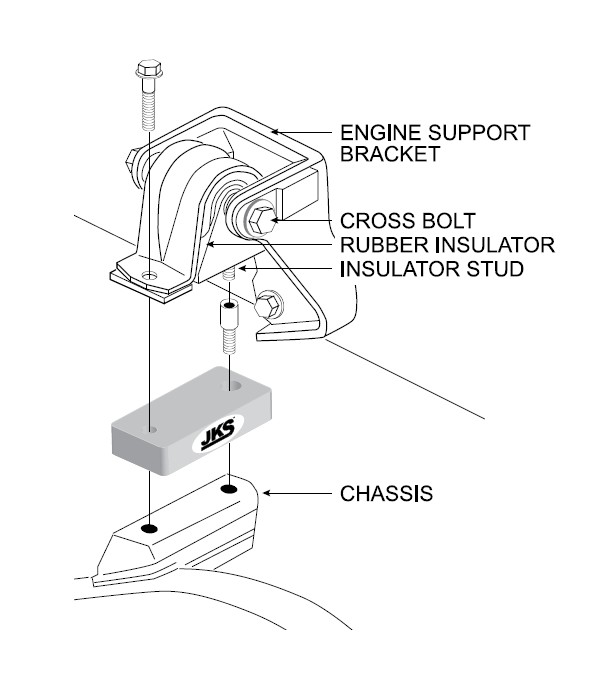
Jeep Wrangler engine mounts are brackets and rubber or polyurethane components that connect the engine to the vehicle frame. They absorb engine vibration and stop excessive movement during acceleration, braking, and off-road driving.
The Complete Guide to Jeep Wrangler Engine Mounts and Drivetrain Mounting starts with understanding this connection. A strong mounting system keeps the engine, transmission, driveshaft angles, and other drivetrain parts working together.

- ✦ Engine support
Mounts carry the weight of the engine and keep it aligned with the chassis.
- ✦ Vibration control
Rubber sections reduce harsh engine movement before it reaches the cabin.
- ✦ Drivetrain protection
Proper mounting reduces stress on transmission and driveshaft parts.
Main Parts of the Mounting System
A Wrangler mounting system includes engine mounts, transmission mounts, transfer case support components, and frame brackets. Each part works together to keep power delivery smooth.
- ✦ Engine mounts
Connect the engine block to the frame.
- ✦ Transmission mount
Supports the transmission and controls drivetrain movement.
How Jeep Wrangler Engine Mounts Work
An engine creates strong forces as internal parts move. Without mounts, these forces would transfer directly into the frame and cabin. The mount absorbs movement while keeping the engine stable.
Modern Wrangler models use carefully designed mounts to balance comfort and strength. This balance matters because many owners use their Jeep for both highway travel and demanding trails.

- ✦ Movement control
Mounts limit engine twisting during acceleration.
- ✦ Noise reduction
Mount materials help reduce vibration and cabin noise.
Common Signs of Bad Jeep Wrangler Engine Mounts
Bad engine mounts often develop slowly. Many drivers notice small changes before a complete failure happens. Paying attention early can prevent expensive drivetrain repairs.
In this Complete Guide to Jeep Wrangler Engine Mounts and Drivetrain Mounting, these warning signs are important because they help owners find problems before they affect other components.

- ✦ Strong vibration
Excess shaking at idle or during acceleration may point to worn mounts.
- ✦ Clunking sounds
A hard knock during gear changes can happen when the engine moves too much.
- ✦ Visible damage
Cracked rubber or separated mount material shows replacement may be needed.
Symptoms During Off-Road Use
Trail driving places extra stress on drivetrain mounts. Sudden impacts, steep climbs, and axle movement can expose weak mounting parts faster than normal street driving.
- ✦ Drivetrain movement
Excess movement may be felt when climbing or descending trails.
Factory Rubber Mounts vs Performance Engine Mounts
Factory rubber mounts focus on comfort and noise control. They are a good choice for most daily drivers because they reduce harsh vibration.
Performance mounts often use stronger materials like polyurethane. They can improve engine control but may transfer more vibration into the cabin.
- ✦ Rubber mounts
Best for comfort, daily driving, and factory-style operation.
- ✦ Polyurethane mounts
Better for heavy off-road use and high stress conditions.
Choosing the Right Mount
Consider your Jeep’s engine, transmission, tire size, suspension setup, and driving habits before selecting replacement mounts.
- ✦ Daily driver
Choose comfort-focused mounts.
- ✦ Trail Jeep
Choose stronger mounts built for abuse.
Jeep Wrangler Drivetrain Mounting Components Explained
Drivetrain mounting includes more than engine mounts. The transmission mount and related supports keep the entire power system aligned.
Incorrect alignment can affect driveshaft angles and create extra wear. This is especially important on lifted Wranglers where geometry changes.

- ✦ Transmission mount
Supports the gearbox and helps control movement.
- ✦ Transfer case support
Helps maintain drivetrain stability.
Why Lifted Jeeps Need Extra Attention
Large tires and suspension lifts increase drivetrain stress. Owners should inspect mounts regularly after major modifications.
- ✦ Check alignment
Make sure drivetrain angles remain correct.
Replacing Jeep Wrangler Engine Mounts
Replacing engine mounts requires careful support of the engine before removing old hardware. Safety is critical because the engine carries significant weight.
Many Jeep owners choose professional installation, especially when rust, modified suspension, or drivetrain changes are involved.
- ✦ Inspection first
Confirm the mount is damaged before replacing parts.
- ✦ Use proper support
Support the engine correctly during service.
Maintenance Tips
Regular checks during oil changes can reveal cracked rubber, loose bolts, or unusual movement before failure occurs.
- ✦ Inspect regularly
Look for cracks, leaks, and unusual engine movement.
Frequently Asked Questions about Complete Guide to Jeep Wrangler Engine Mounts and Drivetrain Mounting

Jeepexplorerr
Contributor