The complete Guide to Jeep Wrangler Transmission Controls and Shift Systems explains how every part of the shifting process works. From the gear lever inside the cabin to the transmission itself, each component plays a role in smooth driving.
After working with vehicle systems and automotive content for years, I have seen that many Jeep owners focus on engines and tires but overlook shift controls. A well-maintained shift system improves daily driving, towing ability, and off-road confidence.
This guide covers manual and automatic systems used in Jeep Wrangler models sold in the United States. It explains parts, operation, common failures, and practical maintenance tips.
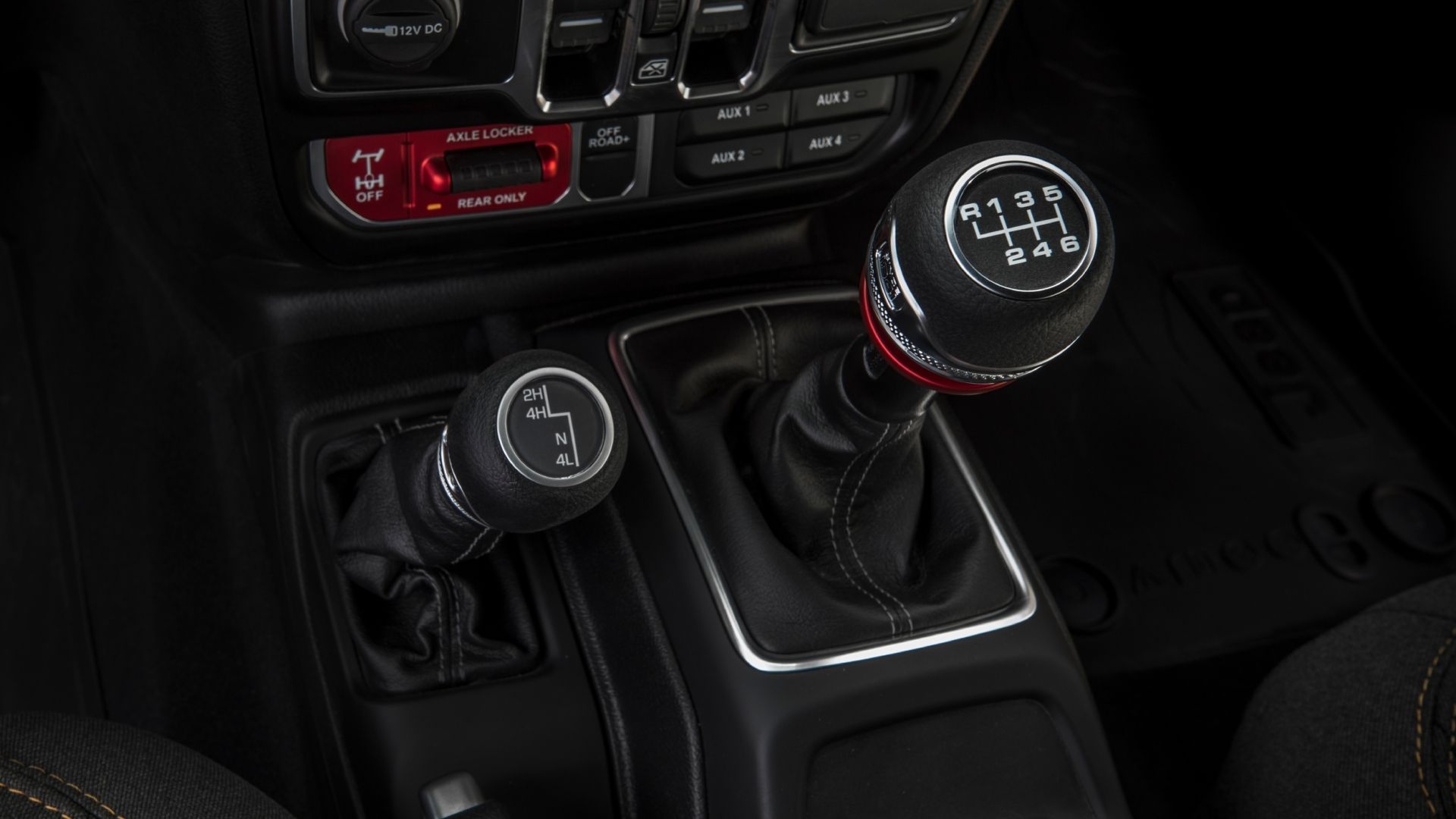
Understanding Jeep Wrangler Transmission Controls and Shift Systems
The Complete Guide to Jeep Wrangler Transmission Controls and Shift Systems starts with understanding the connection between the driver and the transmission. When you move the shifter, a series of mechanical and electronic parts transfer that command.
Modern Jeep Wrangler models use a mix of mechanical controls and computer-managed systems. The transmission control module helps select the correct gear, while sensors monitor speed, load, and driving conditions.

- ✦ Gear selector
The gear selector allows the driver to choose Park, Reverse, Neutral, Drive, or manual gears.
- ✦ Shift linkage
The linkage transfers movement from the shifter to the transmission.
- ✦ Control module
Electronic systems adjust shift timing for efficiency and performance.
Why shift controls matter
A healthy shift system gives you accurate gear selection and smooth power delivery. Problems in this area can create delayed shifts, incorrect gear selection, or difficult driving.
Manual Transmission Shift Systems in Jeep Wrangler Models
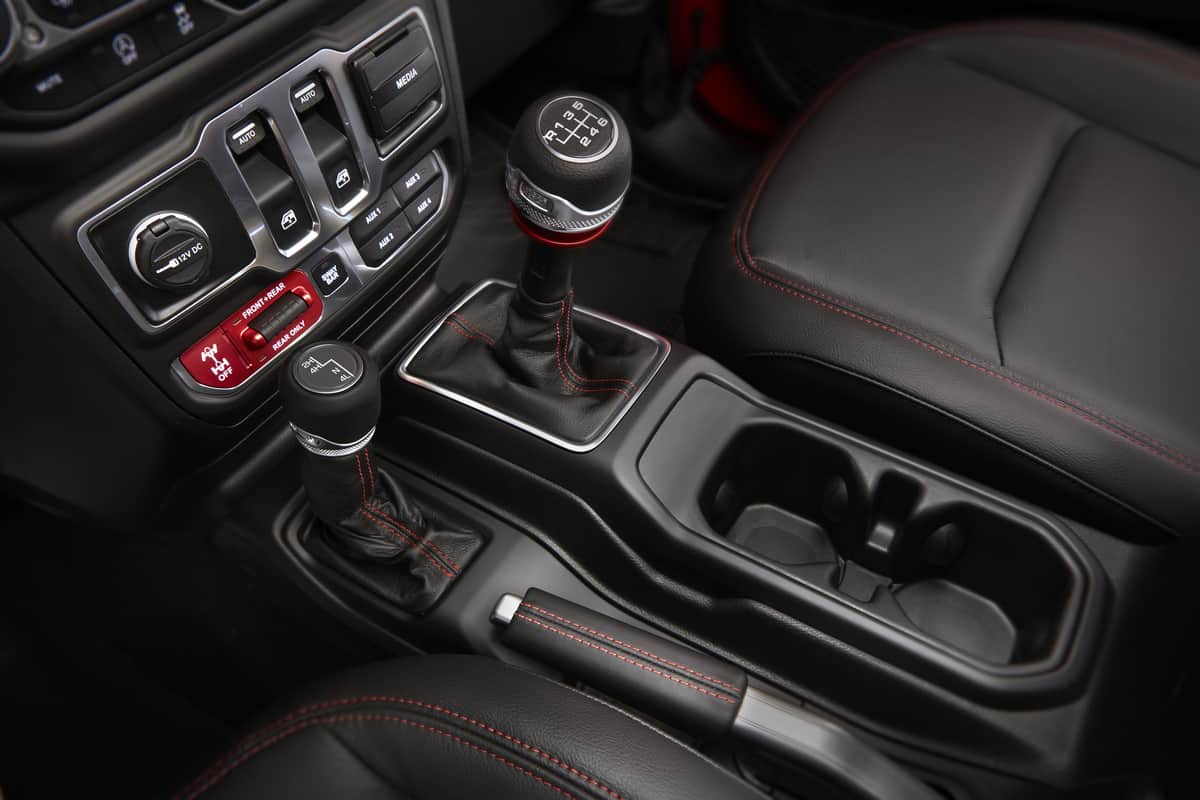
Many Jeep Wrangler enthusiasts prefer manual transmissions because they offer direct control. A manual system uses a clutch pedal, gear lever, clutch hydraulics, and internal transmission gears.
The Complete Guide to Jeep Wrangler Transmission Controls and Shift Systems for manual models includes understanding clutch engagement and proper shifting habits. Smooth clutch use reduces wear on the transmission and drivetrain.
- ✦ Clutch pedal
The clutch separates engine power from the transmission during gear changes.
- ✦ Manual shifter
The driver selects gears through a direct mechanical lever.
- ✦ Shift forks
Internal parts move gears into the selected position.
Manual shifting tips
Avoid resting your hand on the shifter while driving. Extra pressure can increase wear on internal components. Use smooth clutch movements and avoid forcing gear changes.
Automatic Transmission Controls and Electronic Shifting
Automatic Jeep Wrangler transmission systems are designed for convenience and consistent performance. The driver selects a range, and the vehicle manages gear changes automatically.
The Complete Guide to Jeep Wrangler Transmission Controls and Shift Systems for automatic models includes electronic sensors, shift solenoids, and computer controls that work together.

- ✦ Shift lever
The lever allows selection of driving modes such as Park, Drive, and Reverse.
- ✦ Transmission control module
The module processes sensor data and controls shift behavior.
- ✦ Solenoids
Solenoids control fluid pressure needed for gear changes.
Common automatic shifting symptoms
Hard shifts, delayed engagement, or unexpected gear changes may point to problems with fluid condition, sensors, or control components.
Jeep Wrangler Shift Cable, Linkage, and Selector Problems
Shift cables and linkage parts are critical because they physically connect the cabin shifter to the transmission. Damage or adjustment problems can affect gear selection.
A common issue covered in the Complete Guide to Jeep Wrangler Transmission Controls and Shift Systems is a loose or damaged shift cable. Drivers may notice that the gear indicator does not match the selected position.

- ✦ Loose cable
A loose cable may cause inaccurate gear selection.
- ✦ Broken linkage
A damaged linkage can prevent proper shifting.
- ✦ Worn bushings
Old bushings may create excessive shifter movement.
Basic inspection steps
Check for unusual shifter movement, delayed engagement, and visible damage around linkage points. Professional inspection is recommended for internal transmission concerns.
How to Maintain Jeep Wrangler Transmission Controls
Regular care keeps transmission controls working correctly. Maintenance includes checking fluid levels, inspecting cables, and responding early to unusual behavior.
The Complete Guide to Jeep Wrangler Transmission Controls and Shift Systems emphasizes preventive care because small control issues can become expensive repairs.

- ✦ Check transmission fluid
Clean fluid supports proper hydraulic operation and cooling.
- ✦ Inspect shift components
Look for wear in cables, bushings, and selector parts.
- ✦ Use correct parts
OEM-quality components help maintain factory performance.
Choosing Between Manual and Automatic Jeep Wrangler Systems
The right transmission depends on driving style. Manual systems offer more driver involvement, while automatic systems provide easier operation in traffic and daily use.
The Complete Guide to Jeep Wrangler Transmission Controls and Shift Systems shows that both options can deliver strong performance when maintained correctly.

- ✦ Manual advantages
Manual transmissions provide direct control and an engaging driving experience.
- ✦ Automatic advantages
Automatic transmissions offer convenience and easier operation.
- ✦ Off-road factors
Terrain, skill level, and driving needs should influence the choice.
Making the right choice
Consider your daily commute, trail use, towing needs, and comfort preferences before selecting a transmission type.
Frequently Asked Questions about Complete Guide to Jeep Wrangler Transmission Controls and Shift Systems

Jeepexplorerr
Contributor