The Complete Guide to Jeep Wrangler Clutch Operation and Manual Drivetrain explains how the clutch, gearbox, driveshafts, and related components work together. A manual Wrangler gives drivers direct control, which is why many Jeep owners choose it for daily driving and off-road adventures.
After working with manual drivetrain systems, one thing becomes clear: clutch life depends heavily on driving technique. Smooth engagement, correct shifting, and regular inspections often make a bigger difference than simply replacing parts when problems appear.

How the Jeep Wrangler Clutch System Works
The clutch system allows the engine and transmission to connect or separate. When you press the clutch pedal, the system removes engine power from the transmission so you can change gears.
In this Complete Guide to Jeep Wrangler Clutch Operation and Manual Drivetrain, the clutch acts as the main control point between engine torque and wheel movement. A properly working clutch creates smooth acceleration and predictable shifting.

- ✦ Clutch disc
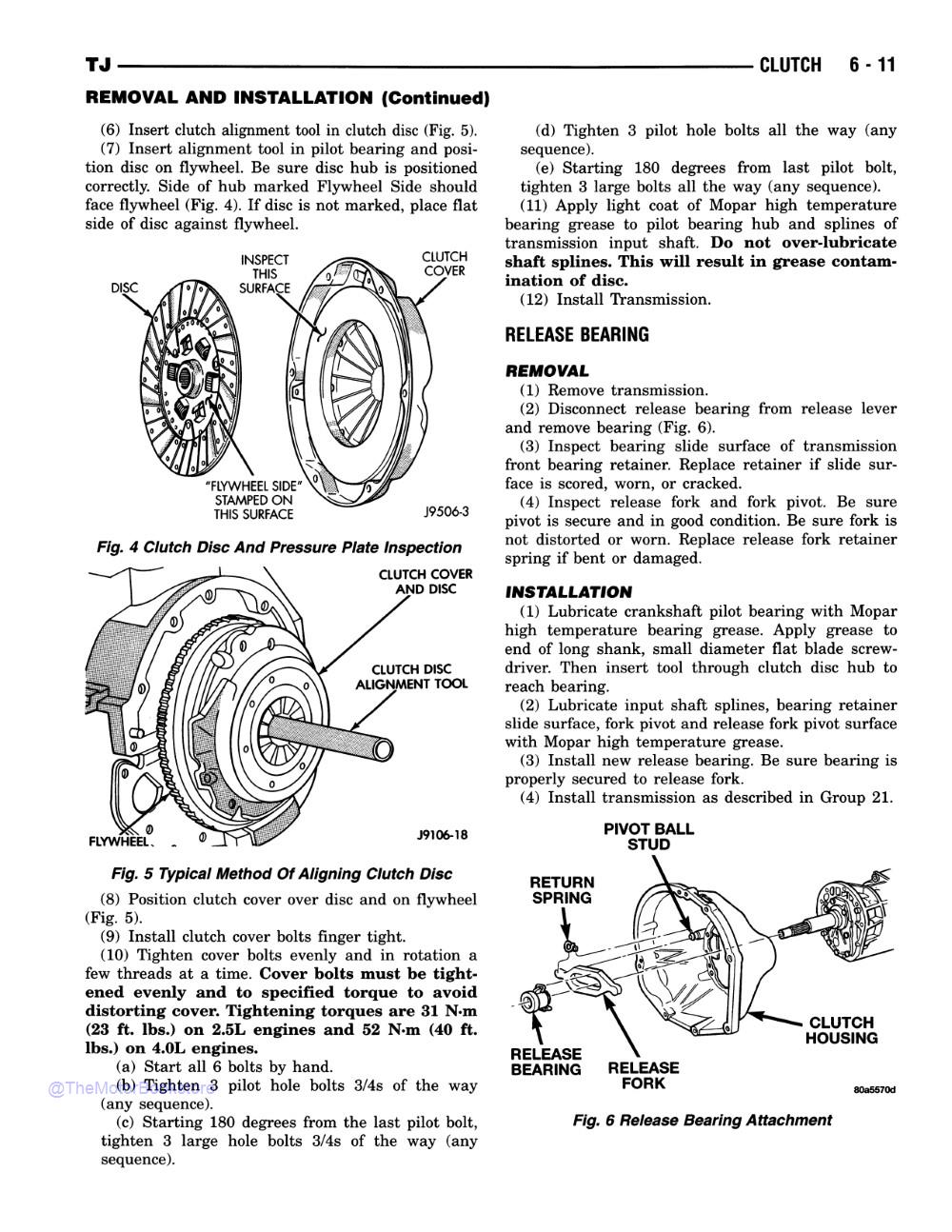
The clutch disc transfers engine power through friction between the flywheel and pressure plate.
- ✦ Pressure plate
The pressure plate holds the clutch disc against the flywheel when the clutch pedal is released.
- ✦ Release bearing
The release bearing helps separate the clutch components during gear changes.
The Role of the Flywheel
The flywheel connects to the engine crankshaft and provides a smooth surface for clutch engagement. It also helps reduce vibration during operation.
- ✦ Smooth power delivery
A balanced flywheel helps maintain consistent engine power transfer.
Understanding the Jeep Wrangler Manual Transmission System
The manual transmission allows the driver to select different gear ratios based on speed, terrain, and engine load. Wrangler models use manual gearboxes designed to handle both road use and off-road demands.
The transmission works with the clutch to deliver torque from the engine to the transfer case and axles. This connection is a key part of the Complete Guide to Jeep Wrangler Clutch Operation and Manual Drivetrain.
- ✦ Gear selection
Lower gears provide more torque for climbing, towing, and slow off-road movement.
- ✦ Higher gears
Higher gears reduce engine speed during highway driving for better efficiency.
Manual Transmission Advantages
Many Jeep owners prefer manual transmissions because they provide direct control and a stronger connection with the vehicle.
- ✦ Driver control
Manual shifting allows drivers to choose the best gear for changing conditions.
Clutch Engagement Process and Proper Driving Technique
Good clutch technique starts with understanding the engagement point. This is the moment when the clutch disc begins transferring power from the engine to the transmission.
Many clutch failures happen because drivers keep their foot on the pedal, ride the clutch during hills, or release the pedal too quickly. Smooth movements reduce unnecessary wear.

- ✦ Press fully
Always press the clutch pedal completely before changing gears.
- ✦ Release smoothly
Slow and controlled pedal release prevents excessive friction.
- ✦ Avoid riding the clutch
Keeping pressure on the pedal can increase heat and wear.
Common Jeep Wrangler Clutch Problems and Warning Signs
The Complete Guide to Jeep Wrangler Clutch Operation and Manual Drivetrain would not be complete without understanding common failures. Early symptoms often appear before complete clutch failure.
A slipping clutch, hard shifting, unusual noises, or changes in pedal feel may indicate problems with the clutch assembly or hydraulic system.

- ✦ Clutch slipping
The engine speed rises without matching vehicle acceleration, often showing worn clutch material.
- ✦ Hard gear engagement
Difficulty selecting gears may point to clutch adjustment or hydraulic problems.
- ✦ Burning smell
A strong friction smell may indicate overheating clutch components.
Hydraulic Clutch System Issues
Modern Wrangler manual systems use hydraulic components that control clutch movement. Low fluid, leaks, or damaged parts can affect pedal operation.
- ✦ Check fluid level
Low hydraulic fluid can reduce clutch performance.
Jeep Wrangler Clutch Maintenance and Service Tips
Regular maintenance helps protect the clutch and manual drivetrain from unnecessary damage. A simple inspection routine can identify issues before they become major repairs.
Owners who use their Wranglers for towing or off-road driving should inspect drivetrain components more often because these conditions create additional stress.
- ✦ Inspect clutch fluid
Check hydraulic fluid condition and maintain the correct level.
- ✦ Monitor pedal feel
Changes in pedal resistance can reveal developing problems.
- ✦ Service drivetrain fluids
Transmission and transfer case fluids help protect connected components.
Off-Road Clutch Care
Off-road driving requires careful clutch control. Using low range and choosing the correct gear reduces clutch stress on difficult trails.
- ✦ Use low gears
Low gears provide torque without forcing excessive clutch slip.
Jeep Wrangler Clutch Replacement Overview
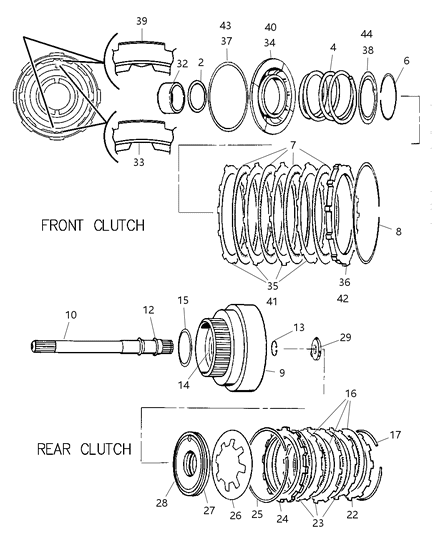
A clutch replacement involves removing the transmission to access the clutch assembly. Because of the labor involved, many owners replace related components at the same time.
A complete clutch job may include a new clutch disc, pressure plate, release bearing, and inspection of the flywheel surface.

- ✦ Professional inspection
A technician can identify whether the issue comes from the clutch or another drivetrain component.
- ✦ Replace worn parts
Replacing damaged components together helps prevent repeated labor costs.
Frequently Asked Questions about Complete Guide to Jeep Wrangler Clutch Operation and Manual Drivetrain

Jeepexplorerr
Contributor