The Complete Guide to Jeep Engine Timing Components and Synchronization explains how the hidden parts inside a Jeep engine control every combustion cycle. The timing system connects the crankshaft and camshaft so valves open and close at the correct moments. Without this precise movement, the engine cannot produce smooth power.
From my experience studying Jeep engine systems, timing problems often begin with small warning signs. A light rattle during startup, rough idle, or a check engine light can point toward timing wear. Finding these issues early helps Jeep owners avoid major repairs.
Modern Jeep engines use advanced timing systems with sensors and computer controls. Models with Pentastar V6, inline engines, and diesel options may use different layouts, but the main goal stays the same. The engine must keep mechanical and electronic timing in harmony.

Understanding Jeep Engine Timing Systems
A Jeep engine timing system controls the relationship between internal moving parts. The crankshaft controls piston movement, while the camshaft controls valve operation. Timing keeps these two actions matched during every engine cycle.
The Complete Guide to Jeep Engine Timing Components and Synchronization starts with this basic relationship. When timing is correct, the engine burns fuel efficiently, produces steady power, and runs smoothly. When timing shifts, performance problems appear quickly.

- ✦ Crankshaft timing
The crankshaft position shows piston location and provides the base reference for engine timing.
- ✦ Camshaft timing
The camshaft controls valve opening and closing based on crankshaft movement.
- ✦ Synchronization control
The timing system keeps both shafts working together through mechanical parts and sensors.
Why Timing Accuracy Matters
A small timing error can change engine performance. The fuel mixture may burn too early or too late, which reduces power and increases stress on engine parts.
Jeep engines designed for daily driving, towing, and off-road use depend on stable timing. A properly synchronized engine handles different loads with better reliability.
- ✦ Better combustion
Correct timing helps fuel burn at the right moment for efficient engine operation.
Major Jeep Timing Components and Their Functions
Jeep timing systems contain several parts that must work as one unit. Each component has a specific role in maintaining engine synchronization.
The Complete Guide to Jeep Engine Timing Components and Synchronization requires understanding these parts because failure of one piece can affect the entire system.
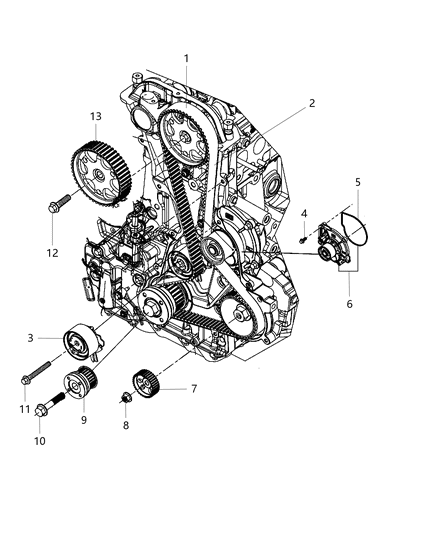
- ✦ Timing chain
The timing chain transfers movement from the crankshaft to the camshaft.
- ✦ Timing guides
Guides keep the chain aligned and reduce unwanted movement.
- ✦ Chain tensioner
The tensioner maintains proper chain pressure and prevents slack.
- ✦ Timing sensors
Sensors report crankshaft and camshaft positions to the engine computer.
Timing Chains Versus Timing Belts
Many Jeep engines use timing chains instead of belts. Chains usually last longer but still wear over time due to heat, oil condition, and engine stress.
A timing belt requires scheduled replacement because the material ages. A timing chain usually needs replacement only when wear symptoms appear or inspection confirms damage.
- ✦ Timing chain advantage
Chains offer strong durability for engines used in demanding conditions.
How Jeep Engine Synchronization Works
Engine synchronization happens when mechanical timing and electronic control work together. The crankshaft sensor and camshaft sensor provide position information to the engine control module.
The computer uses this information to control fuel injection and ignition timing. This allows modern Jeep engines to adjust performance under different driving conditions.
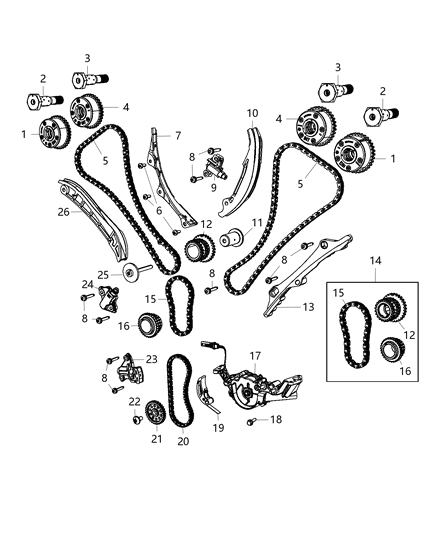
- ✦ Mechanical synchronization
Chains and gears physically connect rotating engine parts.
- ✦ Electronic synchronization
Sensors help the computer monitor and adjust engine operation.
Variable Valve Timing Systems
Many newer Jeep engines use variable valve timing technology. This system changes camshaft position to improve power, fuel economy, and emissions.
Oil pressure plays an important role because timing actuators depend on clean oil flow. Poor maintenance can affect timing response.
- ✦ Oil quality impact
Clean oil supports proper operation of timing actuators and related components.
Common Jeep Timing Problems and Warning Signs
Timing issues often develop slowly before causing major failure. Jeep owners should pay attention to unusual sounds, changes in driving feel, and warning lights.
A stretched timing chain or worn guide can create extra movement. This movement changes the relationship between the crankshaft and camshaft.

- ✦ Rattling noise
A metallic rattle during startup may indicate timing chain slack or tensioner problems.
- ✦ Poor engine performance
Incorrect timing can cause weak acceleration, rough running, and reduced efficiency.
- ✦ Check engine light
Timing-related sensor codes may appear when synchronization falls outside normal limits.
Symptoms That Need Immediate Attention
A Jeep that suddenly loses power or runs very rough needs inspection. Severe timing problems can lead to valve and piston contact in some engines.
Ignoring timing symptoms often increases repair costs because small wear can become major engine damage.
- ✦ Engine misfire
Misfires may occur when valve timing no longer matches ignition timing.
Diagnosing Jeep Timing System Failures
Proper diagnosis starts with basic checks and moves toward deeper testing. Mechanics often scan computer codes, inspect sensor readings, and listen for abnormal timing noise.
The Complete Guide to Jeep Engine Timing Components and Synchronization includes diagnosis because correct testing prevents unnecessary part replacement.
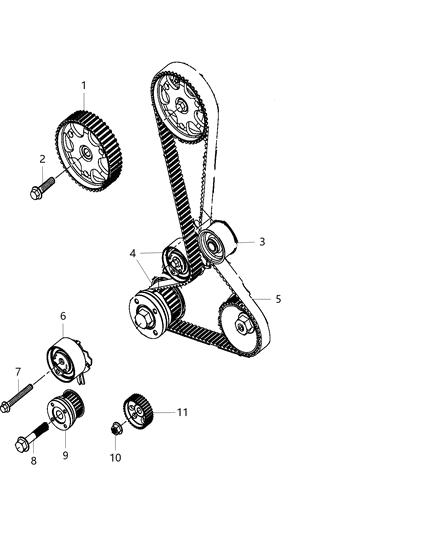
- ✦ OBD scanning
Diagnostic tools can reveal timing correlation faults and sensor-related issues.
- ✦ Visual inspection
Technicians inspect timing covers, oil condition, and related components.
- ✦ Mechanical testing
Advanced checks confirm chain alignment and internal timing accuracy.
Professional Repair Approach
Experienced technicians compare symptoms with test results before opening the engine. This reduces repair mistakes and saves time.
Timing repairs require careful alignment because even a small installation error can affect engine operation.
- ✦ Correct alignment
Timing marks must match factory specifications during assembly.
Maintaining Jeep Timing Components for Long-Term Reliability
Good maintenance is the easiest way to protect timing components. Regular oil changes help reduce wear because chains, guides, and timing actuators depend on clean lubrication.
Jeep owners who drive in extreme heat, heavy traffic, towing conditions, or off-road environments should follow careful maintenance schedules.
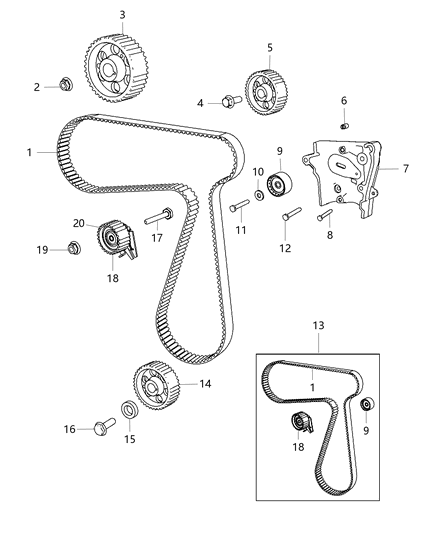
- ✦ Use correct oil
The right oil type supports timing system performance and hydraulic tensioner operation.
- ✦ Monitor symptoms
Early attention to noises and performance changes can prevent larger failures.
- ✦ Follow service guidance
Factory recommendations provide a strong baseline for maintenance planning.
Timing System Service Considerations
Timing repairs are often complex because many components sit behind engine covers. A complete repair may include chains, guides, tensioners, and related seals.
Replacing only one worn part may not solve the entire problem if other components show similar wear.
- ✦ Complete inspection
A full timing system check helps identify all worn components.
Frequently Asked Questions about Complete Guide to Jeep Engine Timing Components and Synchronization

Jeepexplorerr
Contributor